
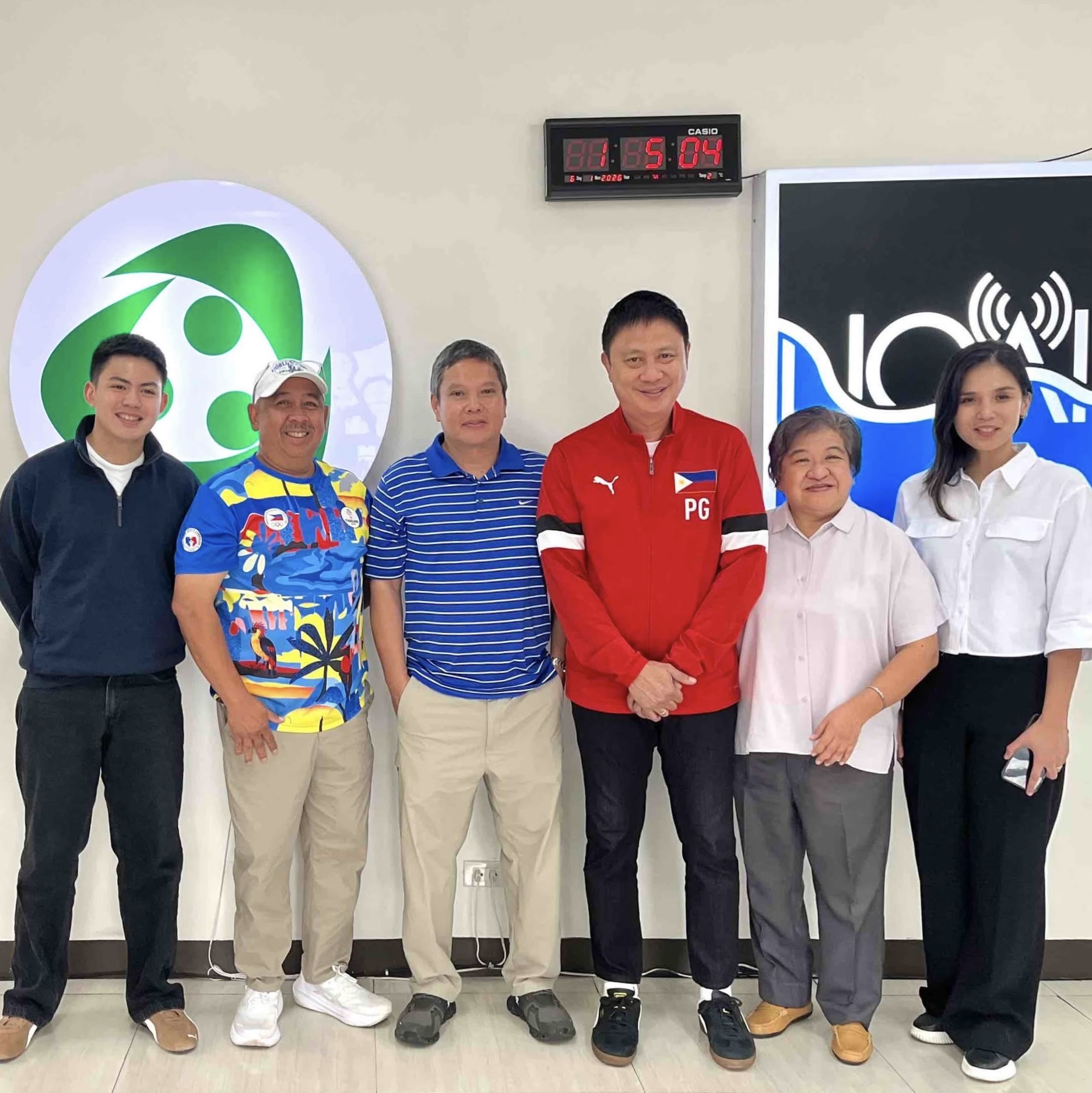
Manila — Philippine Sports Commission (PSC) Chairman Patrick “Pato” Gregorio visited the University of the Philippines Resilience Institute–National Operational Assessment of Hazards (UPRI-NOAH) to review simulation studies for a proposed detention basin beneath the historic Rizal Memorial Baseball Stadium. The project aims to ease persistent flooding along Taft Avenue, P. Ocampo, and nearby areas.
“Flooding has compromised athlete safety and the stadium’s heritage value for too long,” Gregorio said. “I refuse to believe that it cannot be solved through scientific innovation and smart planning.”
The proposed facility forms part of the National Government’s Oplan Kontra Baha, led by the Office of the President and implemented in coordination with the Department of Public Works and Highways (DPWH), the Metropolitan Manila Development Authority (MMDA), and the Department of the Interior and Local Government (DILG), with support from the private sector.
UPRI-NOAH Executive Director Mahar Lagmay underscored the importance of data-driven decision-making in flood control infrastructure. “Our simulations allow us to test how detention basins perform under different rainfall scenarios,” Lagmay said. “This ensures that flood control measures are effective, targeted, and responsive to real risks on the ground.”
Discussions also covered Quezon City’s network of 138 detention basins designed as dual-use basketball courts, which provide both flood mitigation and community recreation benefits. Larger retention areas, such as the Parks and Wildlife site in Quezon City, were likewise discussed for possible conversion into wellness parks.
“If disaster prevention protects athletes and creates beautiful community spaces, then that is the most ideal outcome,” Gregorio added.
Lagmay echoed the value of multi-functional infrastructure. “Resilient infrastructure should serve people every day, not only during extreme weather events,” he said. “Combining flood control with sports and open spaces improves both safety and quality of life.”
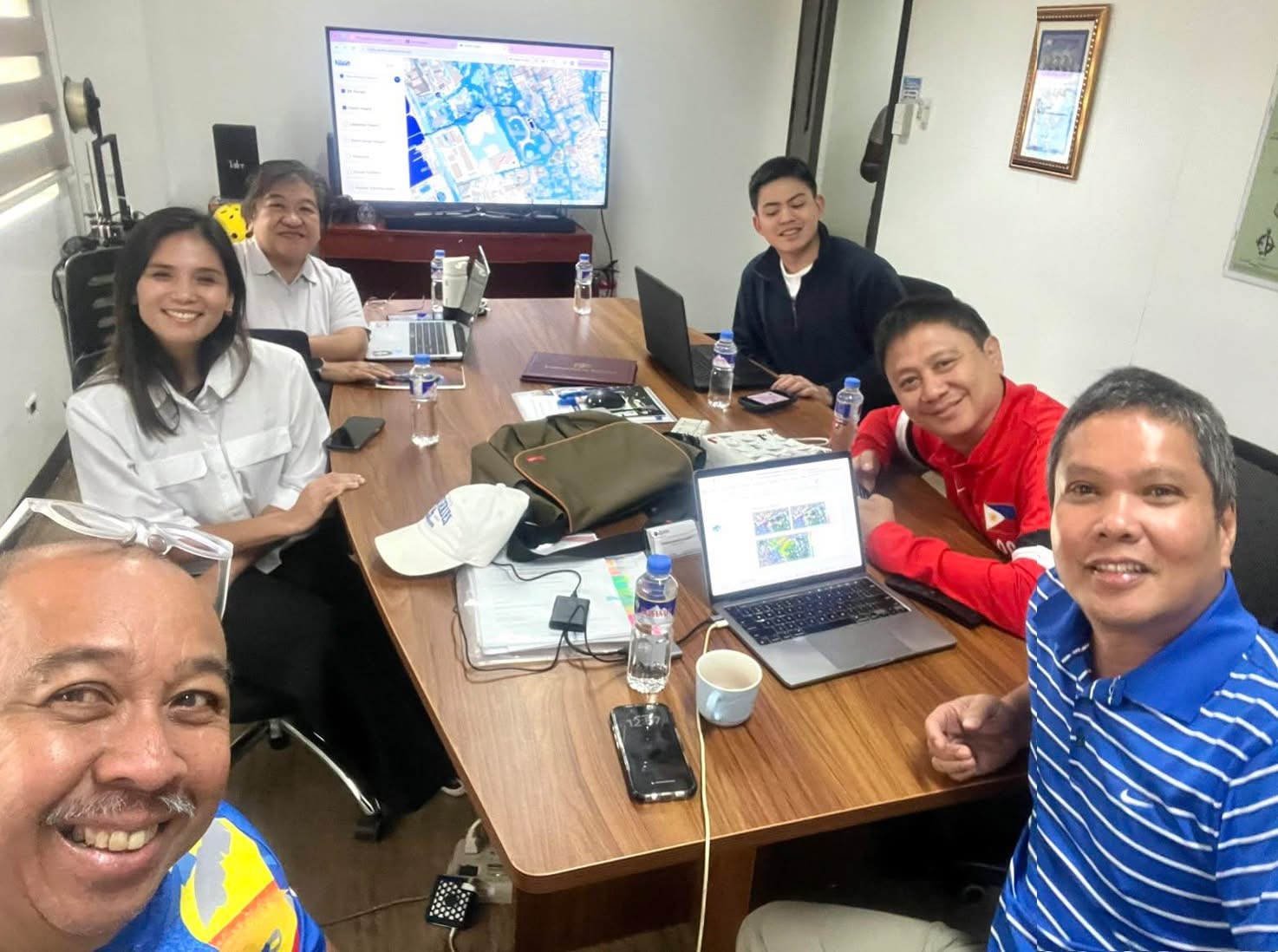
The meeting highlighted the importance of inter-agency collaboration and science-based planning in building climate-resilient cities and safeguarding national sports facilities.
“Guided by science and working together, we can protect our athletes , improve community wellness and make this project happen,” Gregorio said.