
“Earthquakes happen when the earth is stressed,” explained Knowledge Sharing Director Dr. Likha Minimo to a Zoom room full of kids. In a response out of curiosity, a student asked, “But why is the earth stressed?” This was only one of the insightful questions raised by young learners from the homeschool, Journeys of Faith, during the online iteration of Initiating Resilience through Art and Youth Action (IRAYA) with three batches held on June 25, July 3, and 16, 2026.
The IRAYA team composed of staff and interns from the Knowledge Sharing Division, Institution Building Division, and the UPRI YouthMappers put on their teacher hats and avatars to discuss earthquake preparedness. KS interns who joined as facilitators were Althea Lumanog, Jane Teston, Aizy Rabano, Gabriel Delfin Gonzales, Anya Ungson, Annika Michelle Taer, and Jeremy Gatuz.
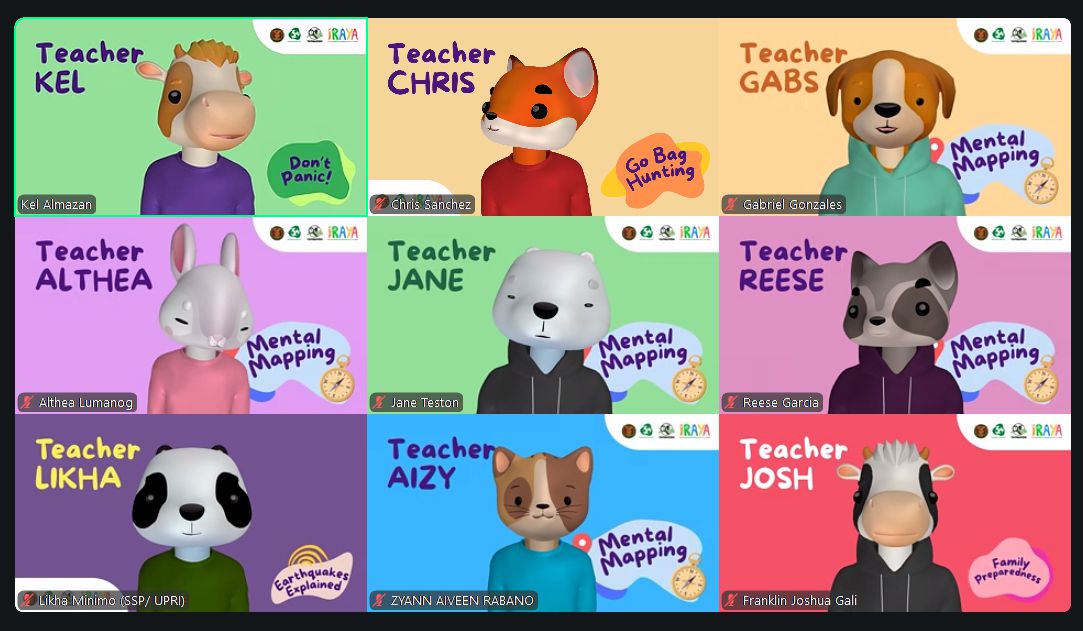
The session was opened with an icebreaker called, “My Favorite” where children had to open their camera if they agreed with the statement or close their camera if they disagreed. They had fun sharing their favorite color, singer, and movies. As they prepared themselves for the afternoon, Dr. Minimo led the introduction to earthquakes – why they occur, and what happens when it occurs. It was followed by a mental mapping exercise with the UPRI YouthMappers Reese Garcia, Jed Ballesteros, and Beverly Frades. The kids were asked to close their eyes and imagine the directions from their current location to the bathroom in their house. It was a practice for the actual exercise on mapping their house to the evacuation center.
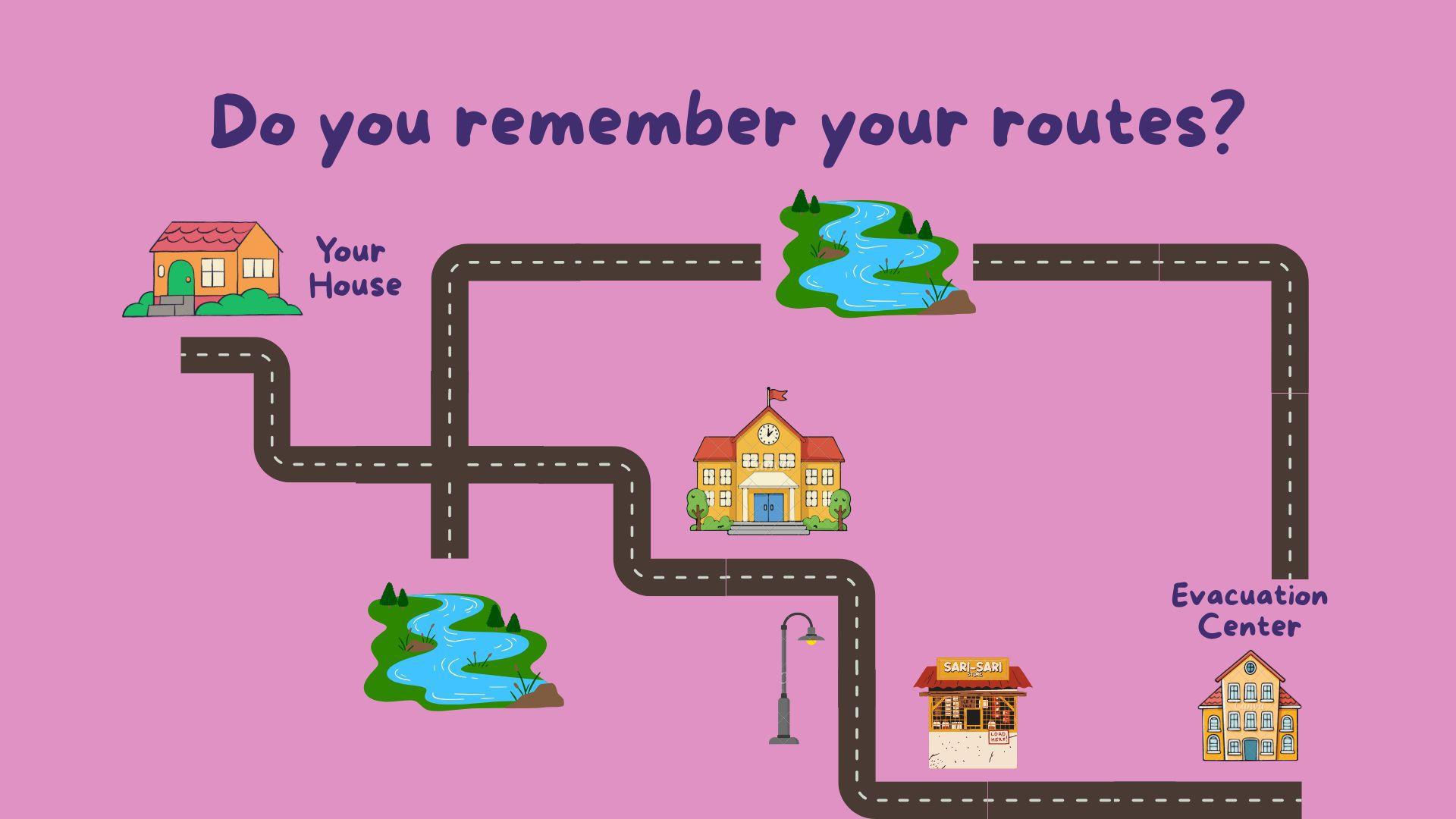
UPRI KS interns facilitated breakout rooms where children showed their maps with each other. The next activity was the Go Bag Hunting game where children identified essential items in a go bag. In the breakout rooms, they played a scavenger hunt where they had to find the items in their own home. During breaktime, the children listened to a story on tsunamis, “When the Earth Shakes and Waters Rise.” Franklin Joshua Gali from the Institution Building Division then discussed the Family Readiness Plan. Together with their parents, the children went through each step of the readiness plan to identify what they already have, and what they still need to be prepared. These include listing down the emergency contact numbers in their area and locating each family member’s whereabouts throughout the day.
Through IRAYA, young learners understand the fundamentals of hazards paired with activities that teach them how to prepare for disasters. Children are active agents in disaster preparedness and it starts through learning and awareness.