
by UPRI Research and Creative Work | Photo documentation by Chris Sanchez, Kel Almazan, and Jazon Enriquez-Roque
The fight against dengue requires more than responding when cases begin to rise. As shifting rainfall patterns and rapid urbanization continue to shape the conditions surrounding climate-sensitive diseases, the need to understand risk earlier and act before outbreaks escalate becomes increasingly important.
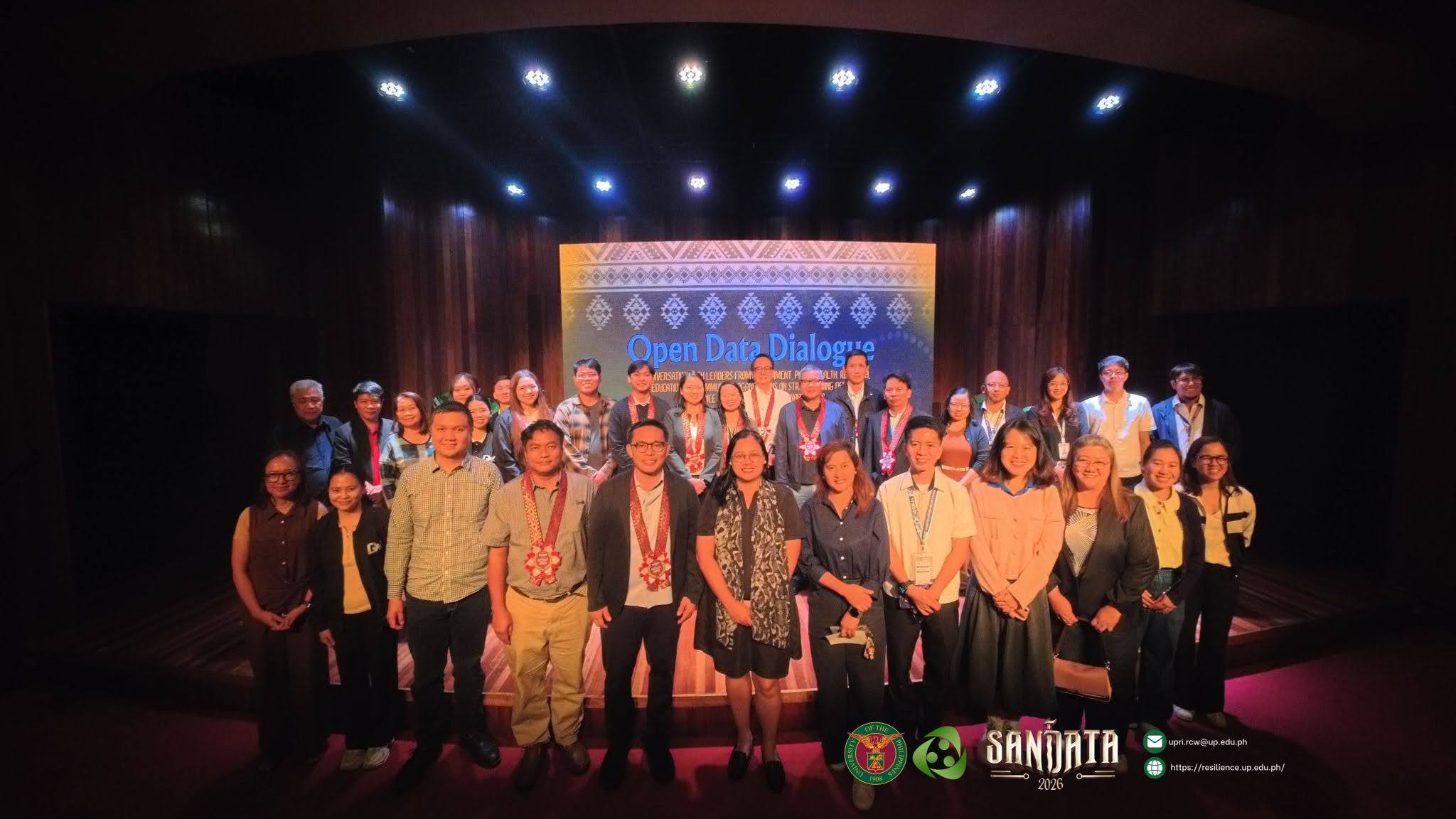
This question, Can we act before outbreaks happen?, was at the heart of SanData 2026: A Performance Exhibit on Data-Driven Governance for Dengue Resilience in the Philippines, held on July 29, 2026, at Aldaba Hall, University of the Philippines Diliman.
Organized by the Research and Creative Work Division of the UP Resilience Institute (UPRI-RCW), SanData 2026 brought together researchers, government partners, public health practitioners, artists, and other stakeholders to explore how climate and health data, research, technology, and collaboration can support more anticipatory and evidence-informed approaches to dengue prevention and control. More than a presentation of research outputs, the event demonstrated a journey from understanding dengue risk through data to translating scientific insights into tools and information that can support earlier and more informed action.
From Data to Anticipatory Action
SanData 2026 served as the culminating event for the Philippine component of the Center for Climate and Health glObal Research on Disasters (CORD) Project, a collaborative initiative funded by the U.S. National Institutes of Health (US NIH). CORD is a partnership among seven universities: Bangladesh University of Engineering and Technology, Eduardo Mondlane University, Makerere University, National University of Lesotho, Tufts University, the University of Namibia, and the University of the Philippines. The project supports research and case studies that strengthen anticipatory action before disasters, with a focus on protecting health and advancing health equity in climate-affected communities
For the Philippine component, the project focused on examining how climate and health research can contribute to practical approaches to dengue resilience. This work formed the foundation of SanData 2026 and its exploration of how data can be transformed into meaningful and actionable information to support earlier and more informed decisions.
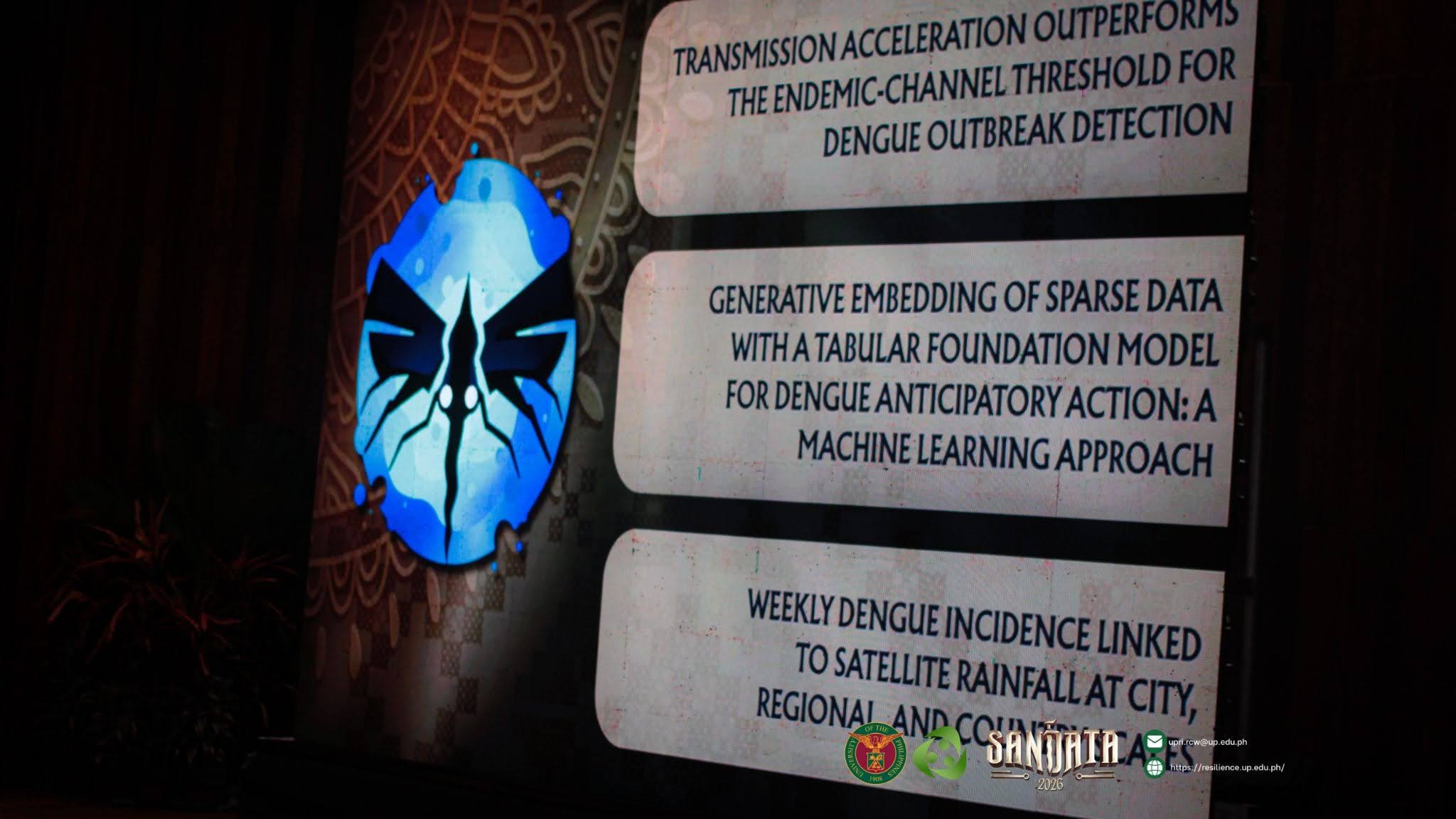
Central to the event were four key outputs that together formed the SanData:
- Transmission Acceleration Outperforms Outbreak Threshold for Dengue Outbreak Detection;
- Generative Embedding of Sparse Data with a Tabular Foundation Model for Dengue Anticipatory Action: A Machine Learning Approach;
- Weekly Dengue Incidence Linked to Satellite Rainfall at City, Regional, and Country Scales; and
- the DengueR Dashboard, which translates insights into actionable alerts and recommendations for local governments.
Together, these outputs represented different approaches to understanding and anticipating dengue risk, from examining patterns in transmission and the relationship between rainfall and dengue incidence to developing machine learning approaches and translating research findings into a tool that can support local decision-making.
. 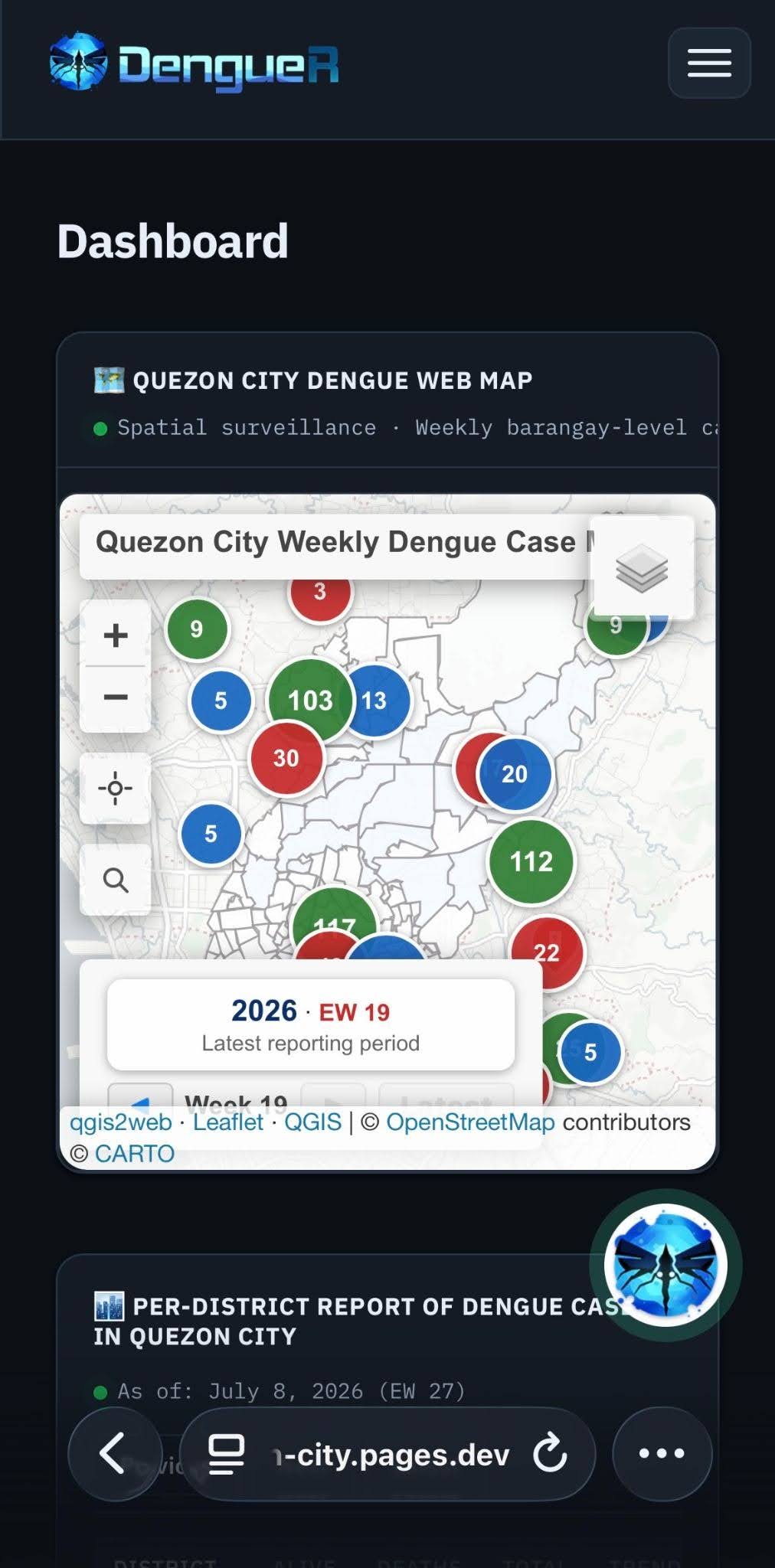
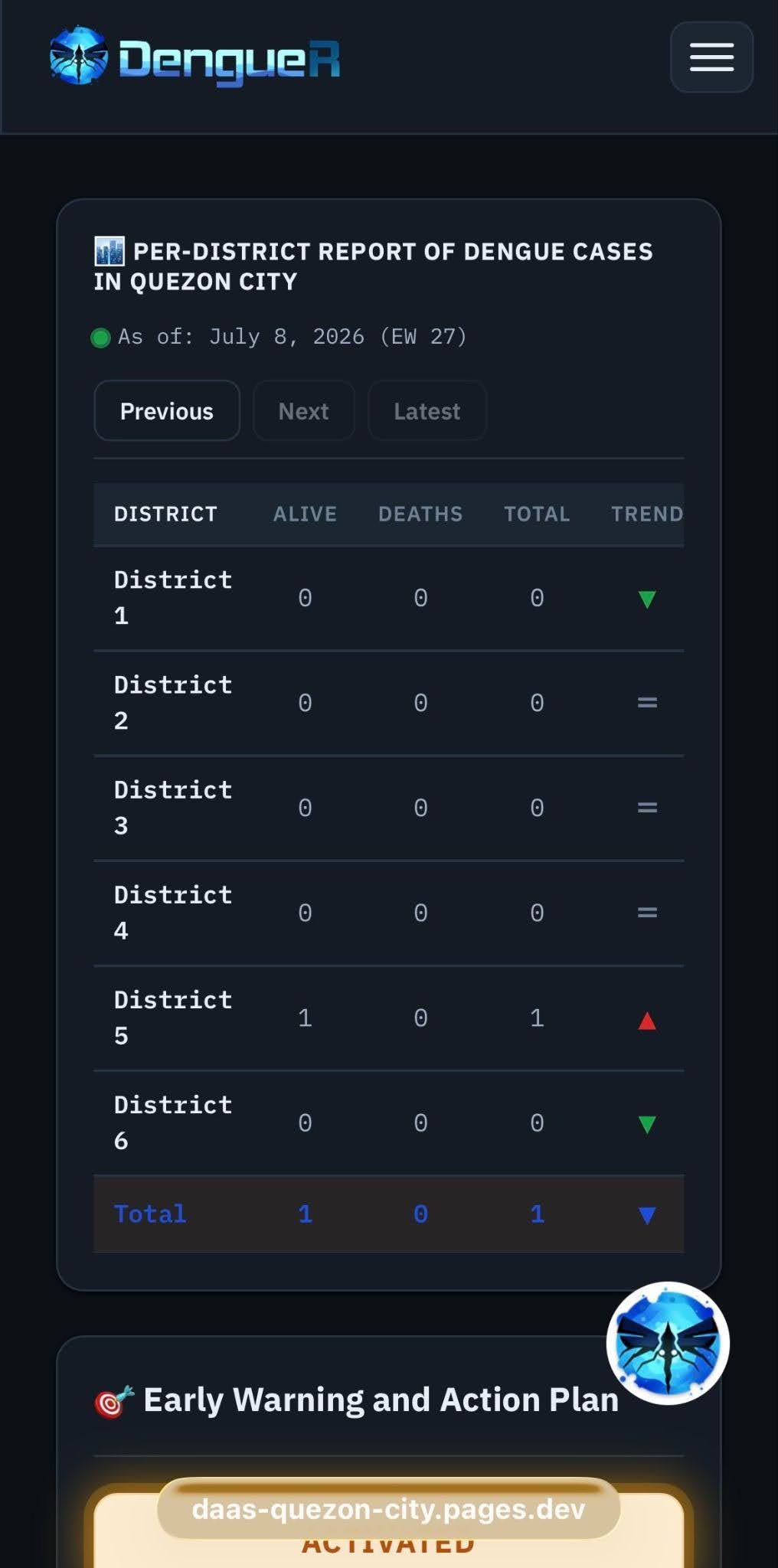
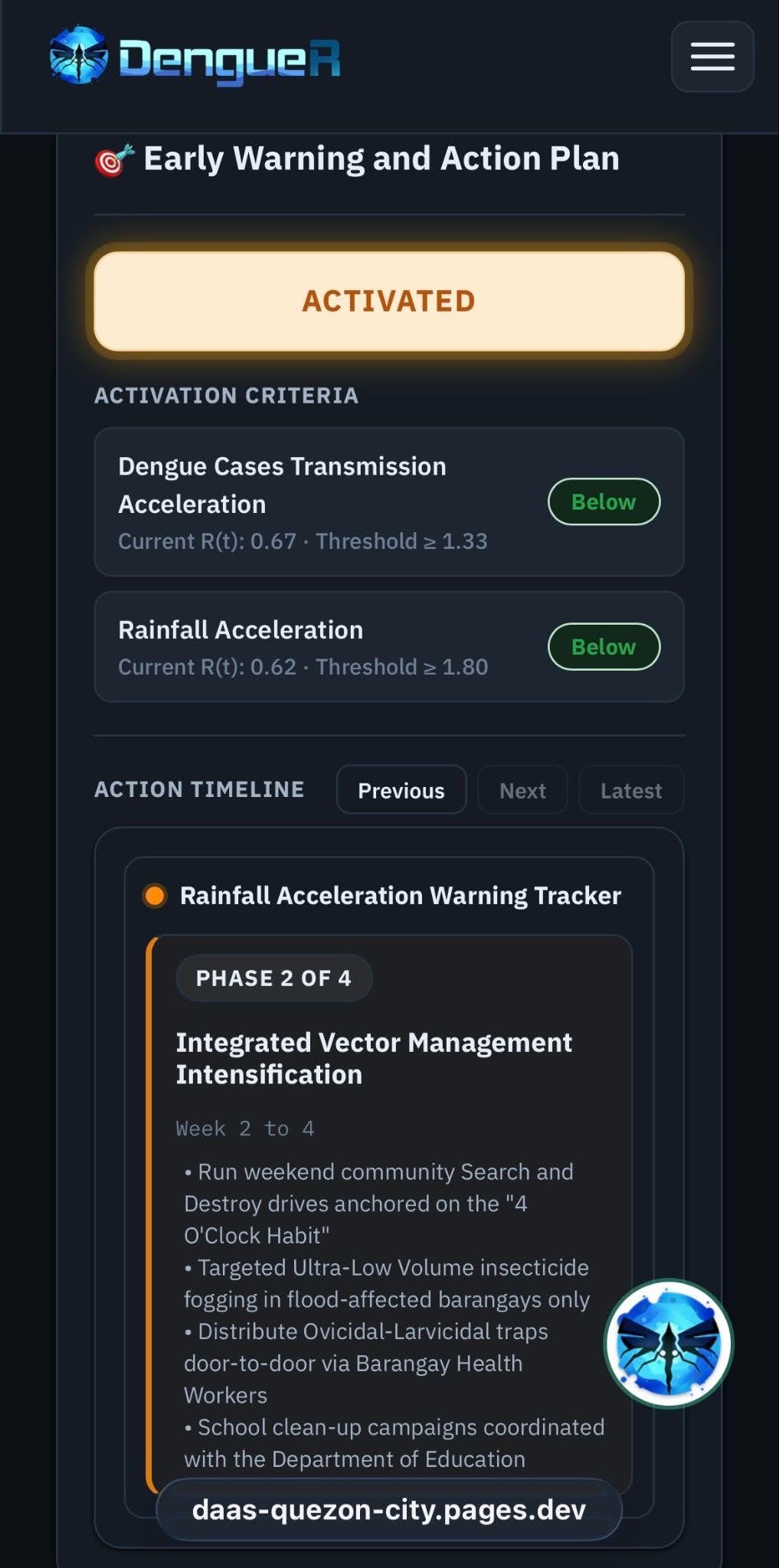
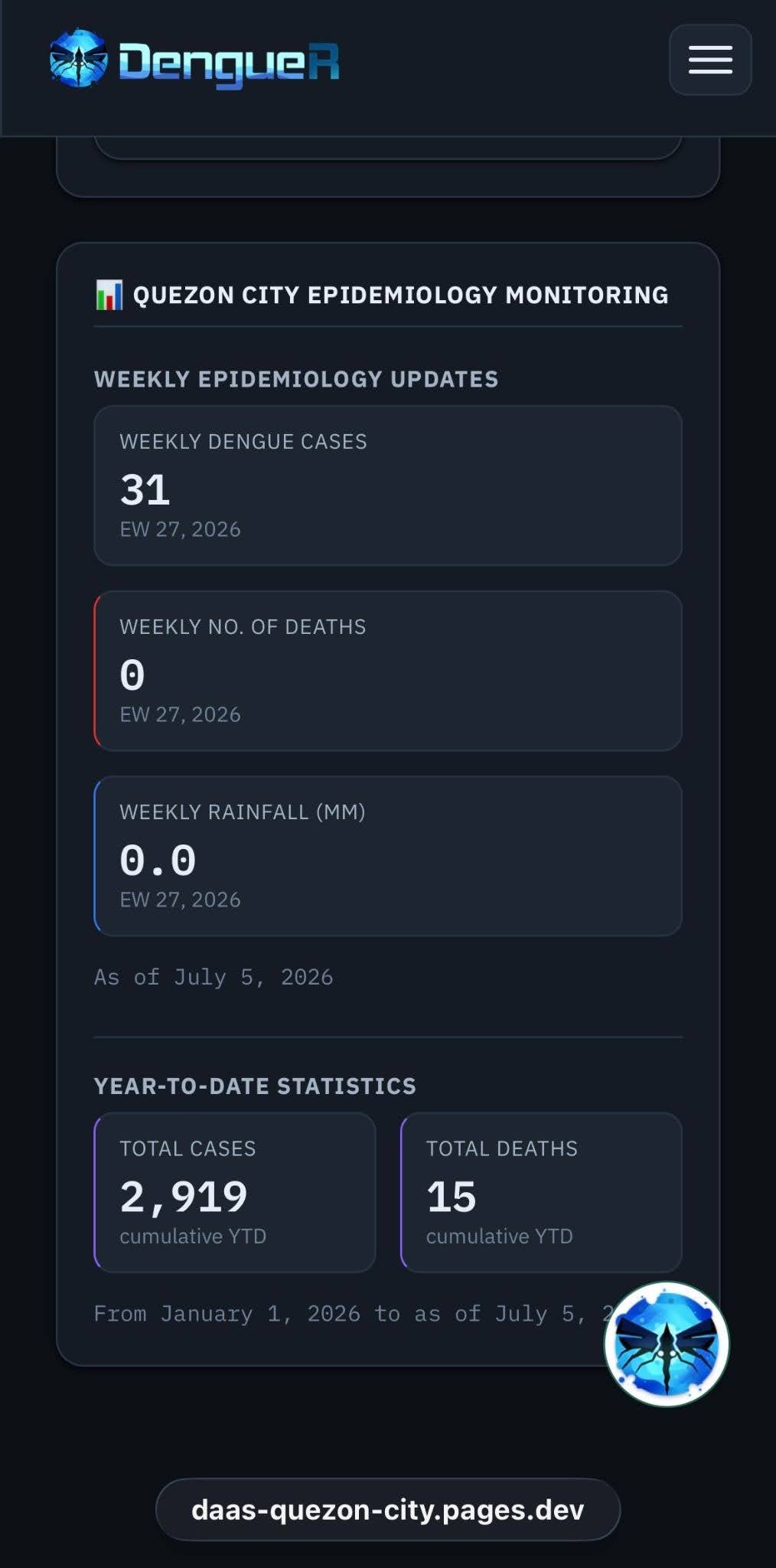
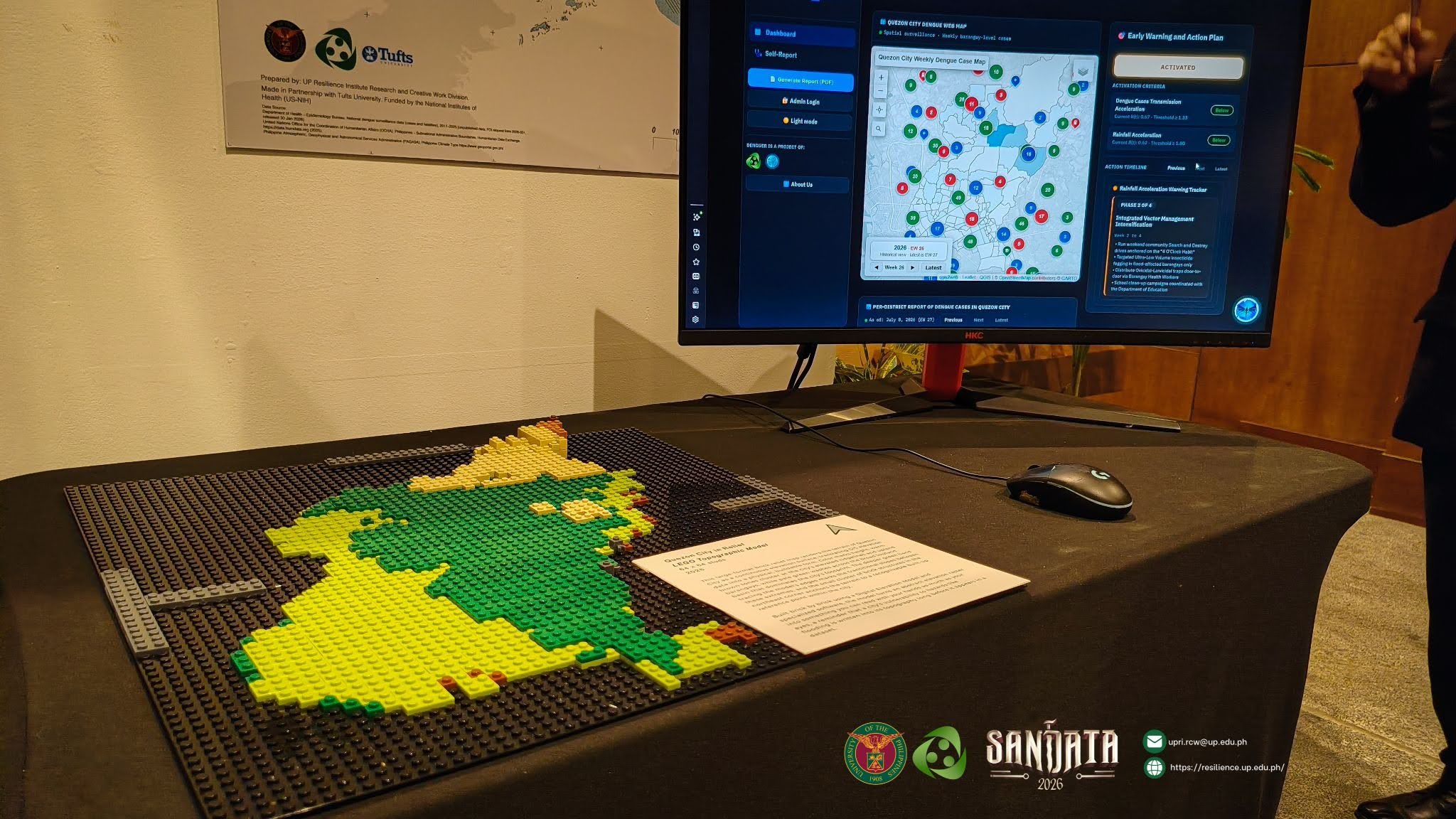
At the center of this effort was the DengueR Dashboard, designed to provide forecasts of dengue risk four to eight weeks ahead. Developed through collaboration with the Quezon City Government, the dashboard reflects the goal of moving beyond waiting for cases to surge and toward using timely information to support earlier preparation and action.
SanData 2026 therefore demonstrated how research can move beyond analysis. When data is transformed into meaningful, accessible, and locally actionable information, it can help support decisions before risks escalate.
Strengthening the Link Between Research and Public Health Action
A key moment of the event was the formal turnover of the DengueR Dashboard to the Quezon City Government.
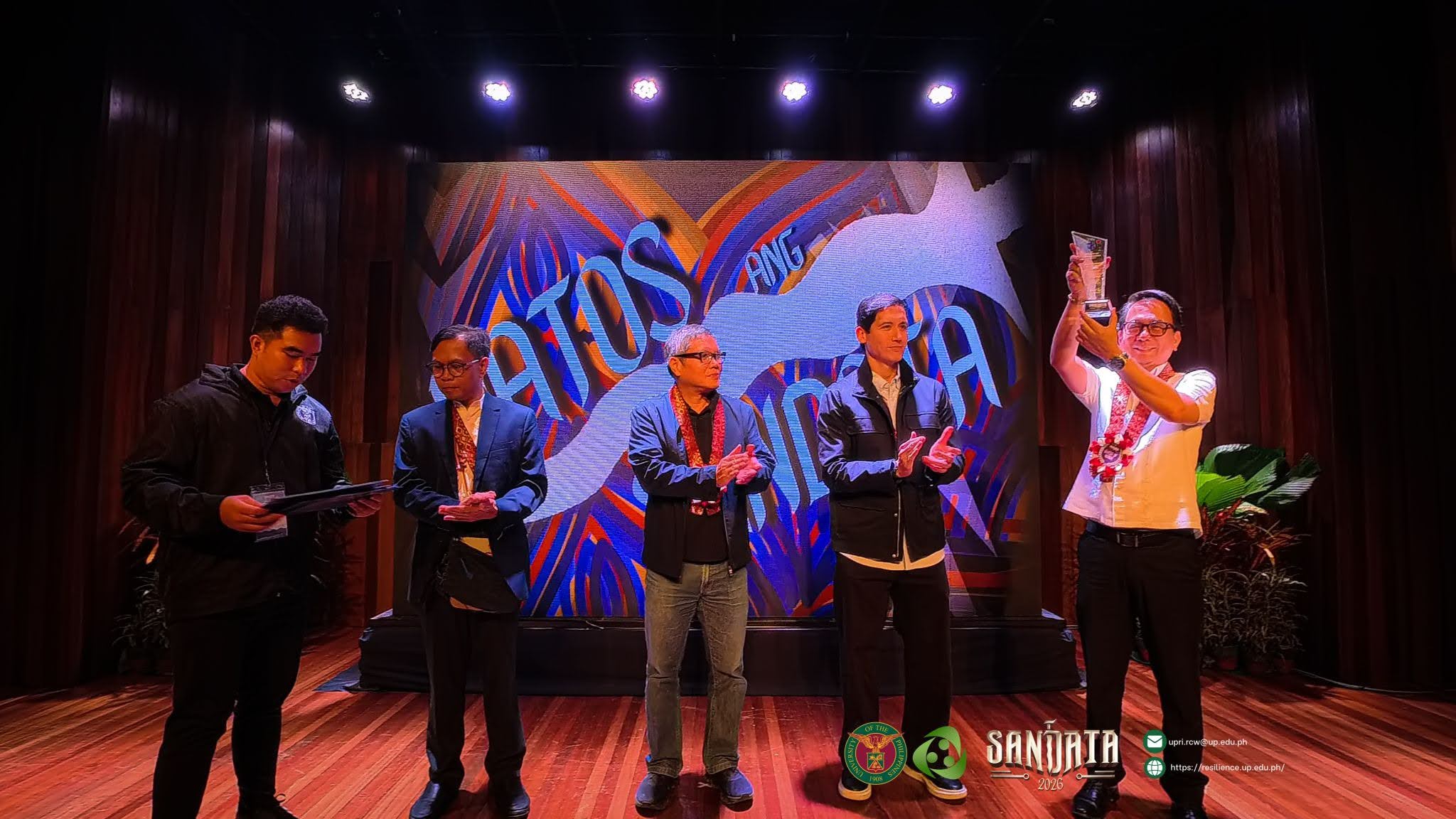
UPRI Executive Director Dr. Alfredo Mahar Francisco Lagmay led the turnover to Hon. Gian Carlo Sotto, Vice Mayor of Quezon City, joined by UPRI Director for Research and Creative Work Dr. DJ Darwin Bandoy and Dr. Rolando Cruz, Chief Health Program Officer of the Quezon City Epidemiology and Surveillance Division (QCESD). The turnover represented an important step in connecting research outputs with institutions responsible for translating information into public health action.
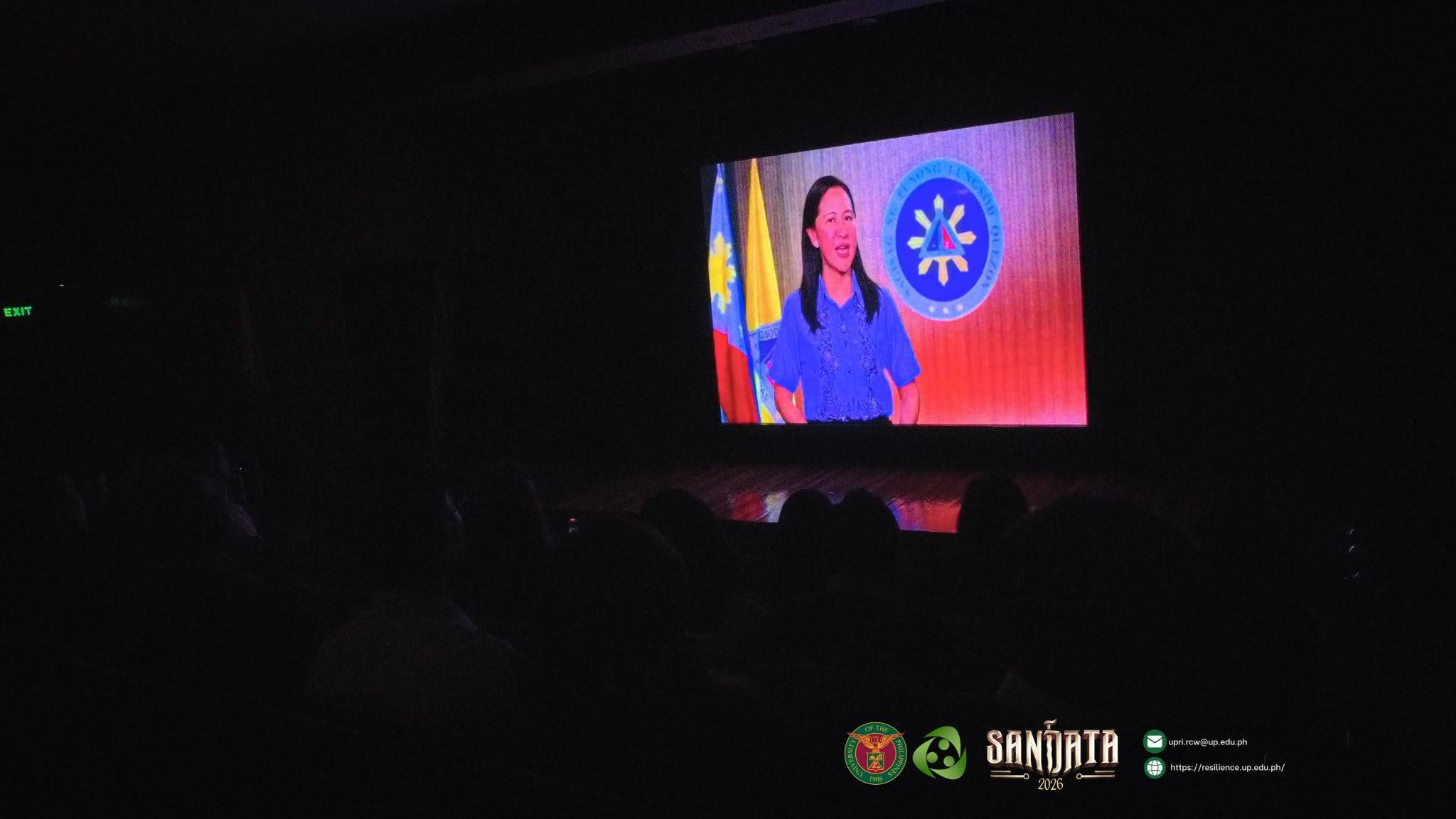
In her message, Hon. Maria Josefina “Joy” Belmonte, Mayor of Quezon City, emphasized the importance of timely, data-driven, and evidence-based interventions in addressing the city’s public health challenges. She also underscored the importance of transparency and honesty, emphasizing the need for public institutions to communicate openly and truthfully as they work toward informed decision-making and effective action.
The development and deployment of systems such as DengueR demonstrate the potential of research to contribute directly to public service. Forecasting tools can provide an additional layer of information for health authorities as they plan interventions and prepare for possible increases in dengue risk.
Bringing Data Beyond the Dashboard
SanData 2026 also explored how complex scientific information can be communicated beyond traditional academic and technical spaces.
Designed as a performance exhibit, the event combined research presentations and technical demonstrations with dance, music, visual art, audiovisual presentations, and interactive exhibits. These different forms of engagement reflected the event’s broader goal of making research more accessible and meaningful to the people and institutions expected to engage with it.
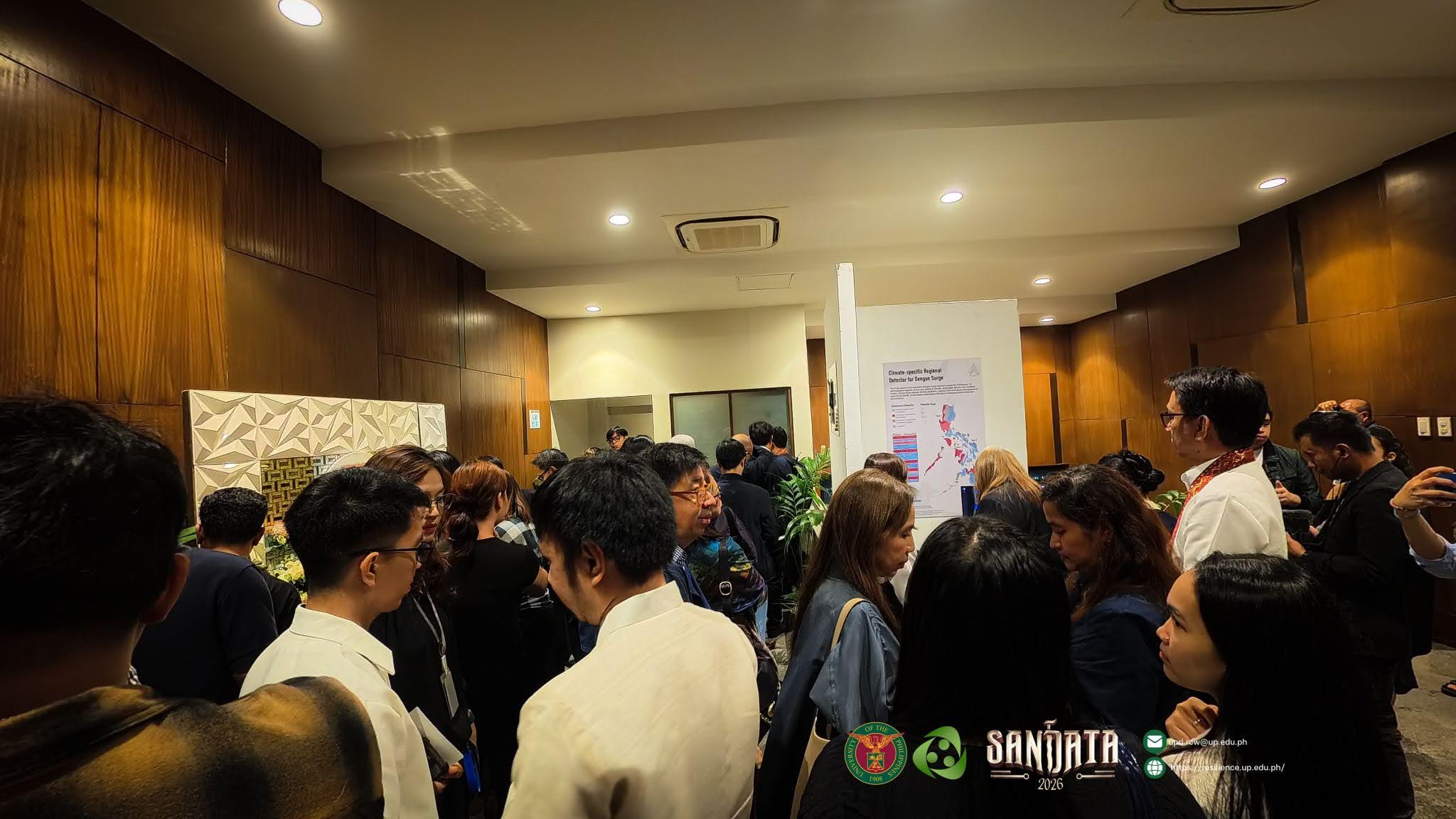
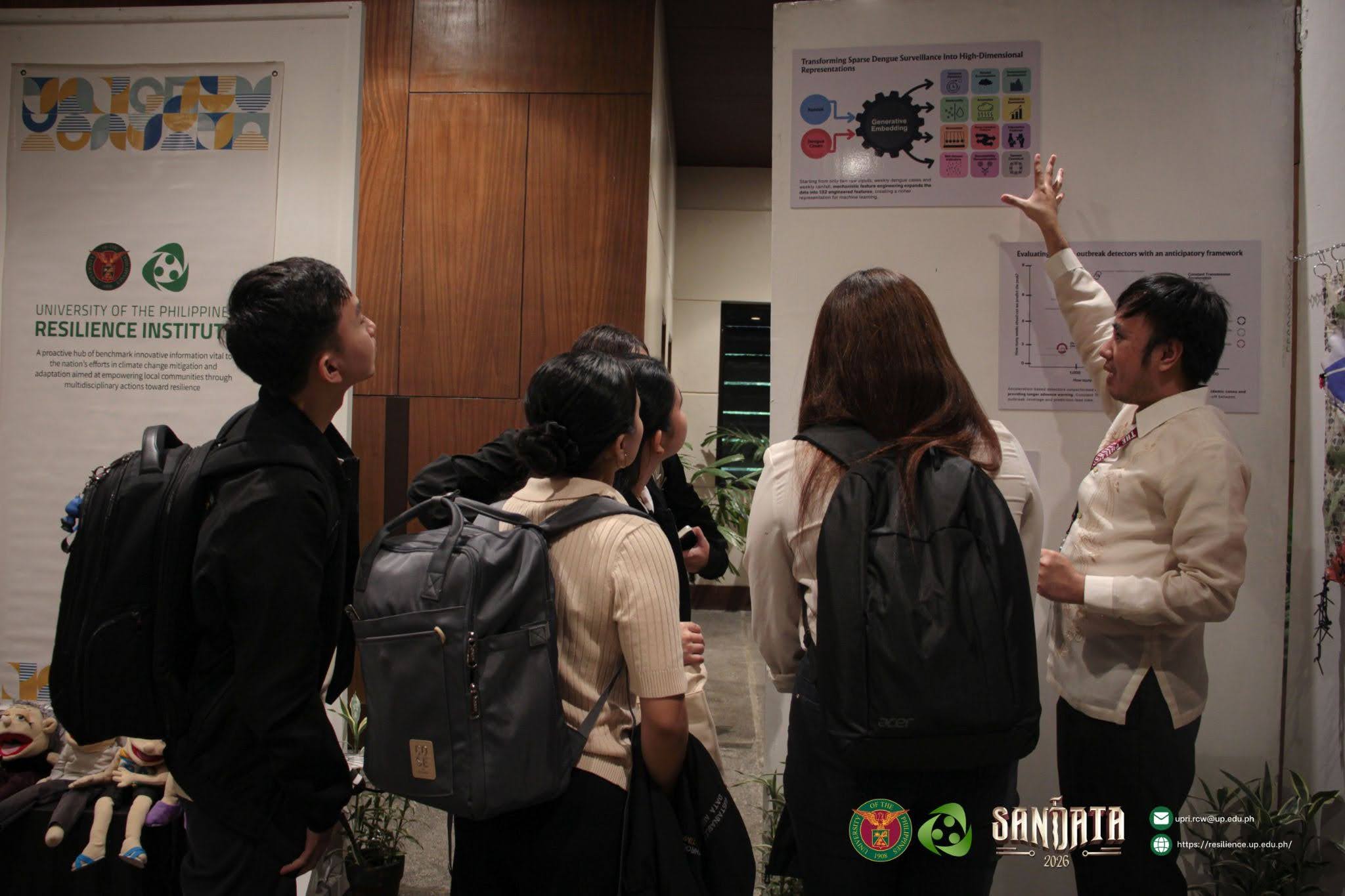
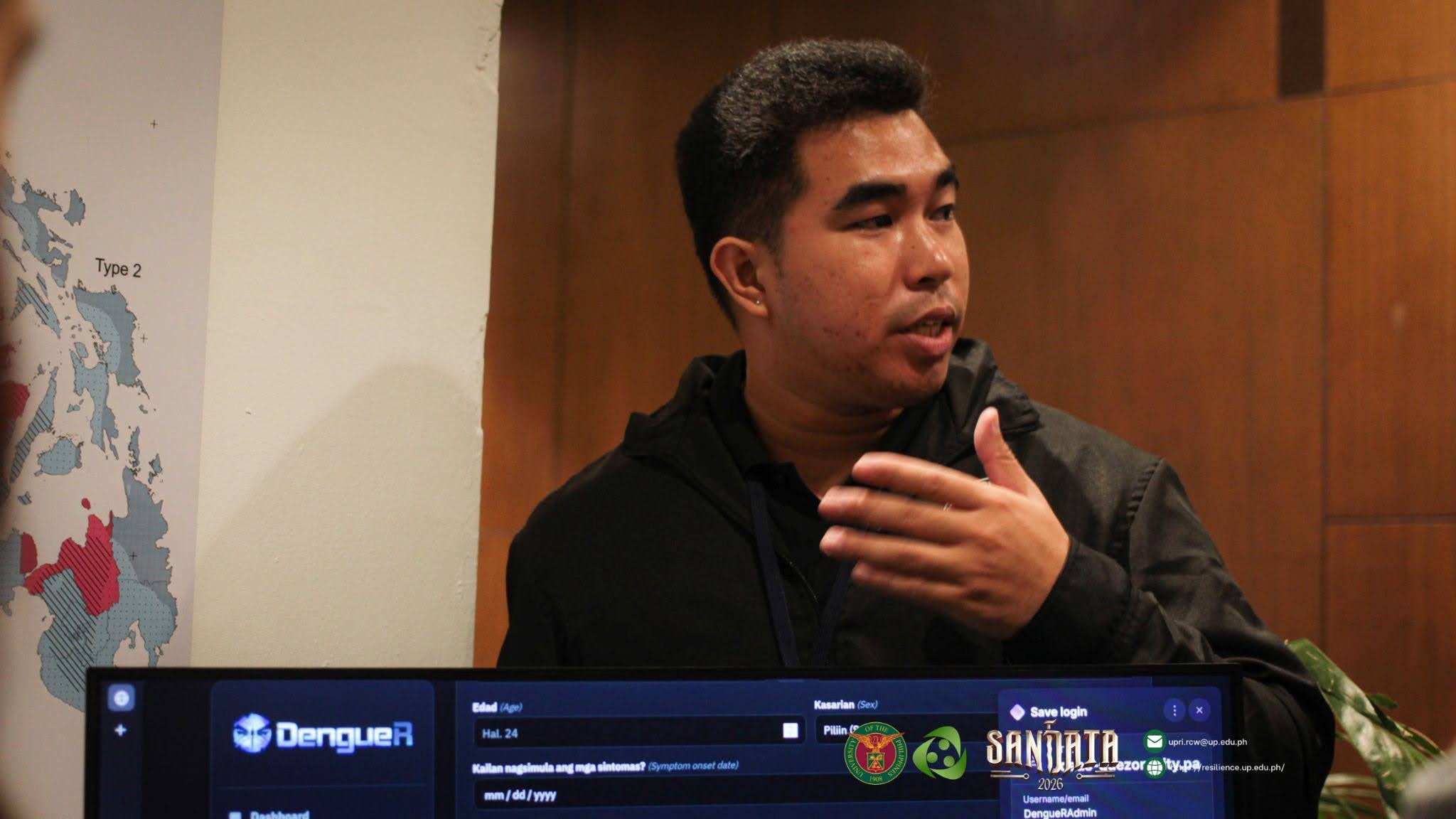
Participants were also invited to experience the Mapa ng Sandata, an exhibit journey that presented different dimensions of dengue resilience. Through the research poster displays, participants explored key findings from the CORD Project and the science behind dengue resilience. The Dashboard Zone provided an opportunity to interact with the DengueR Dashboard and explore how factors such as rainfall can inform dengue risk. Meanwhile, the Spatial Visualization Zone featured three-dimensional maps and visualizations demonstrating how geographic data can support dengue surveillance and preparedness.
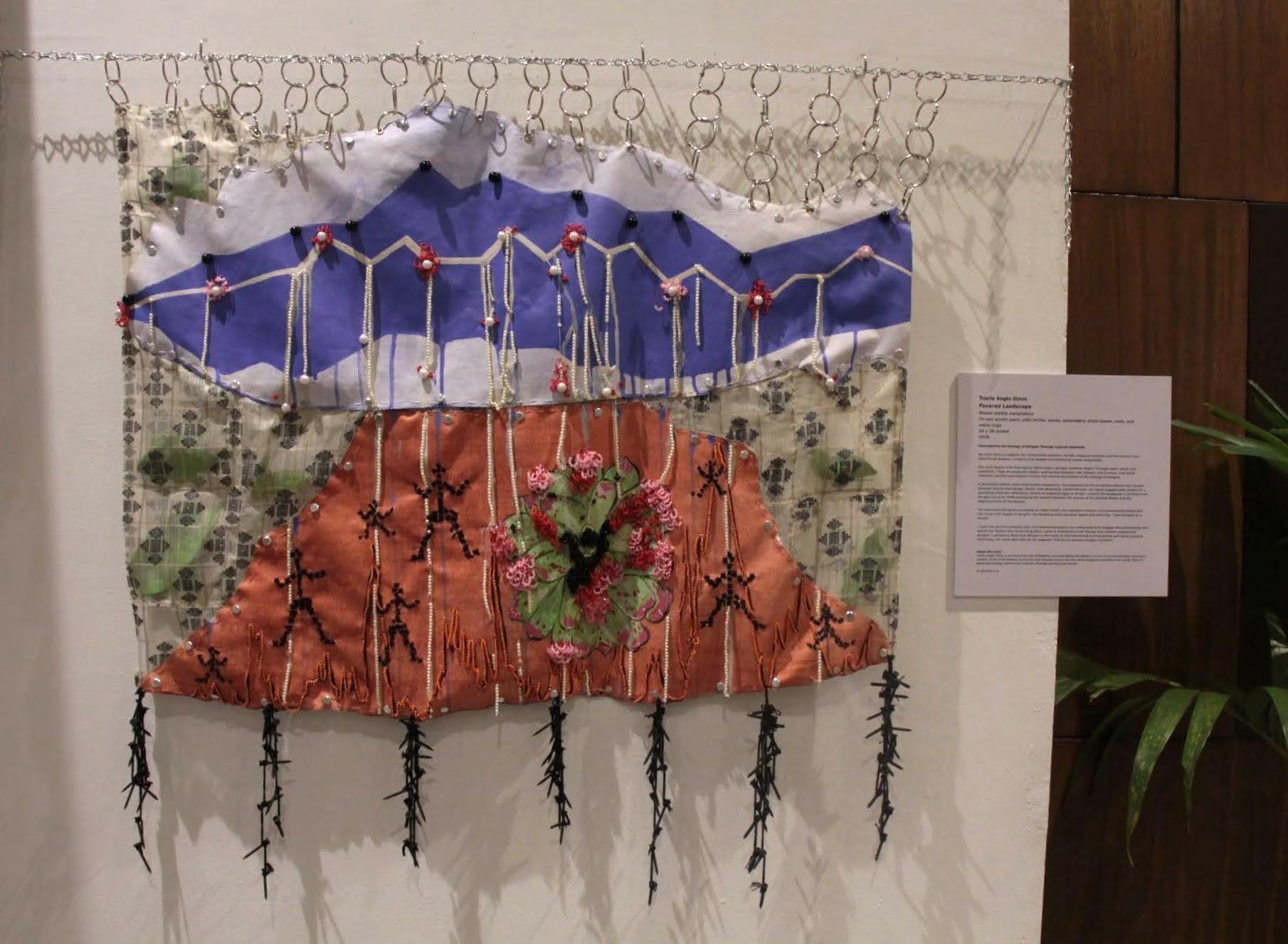
The exhibit also featured Fevered Landscape (2026), an original mixed media installation by visual artist Tracie Anglo-Dizon. Combining oil and acrylic paint, piña textile, beads, embroidery, dried leaves, nails, and metal rings, the work explored the interconnected relationships among rainfall, mosquito habitats, and the human lives affected by dengue. Its embroidered figures, based on tribal motifs, represented children and communities living with the threat and impact of dengue, while the dangling nails represented death and suffering, evoking lives hanging by a thread. Rather than simply illustrating data, Fevered Landscape sought to humanize it and show dengue as the result of interconnected environmental and social systems. Ultimately, the work asks: How do we respond? How do we become dengue-resilient?
Performances by Simeona F. Chanyungco Lahing Kayumanggi Mananayaw ng Marikina Inc. and Kontemporaryong Gamelan Pilipino (Kontra GaPi) further contributed to the event’s multidisciplinary approach.
By bringing together science and creative practice, SanData 2026 underscored that data must not only be collected and analyzed. It must also be communicated in ways that encourage understanding, engagement, and action.
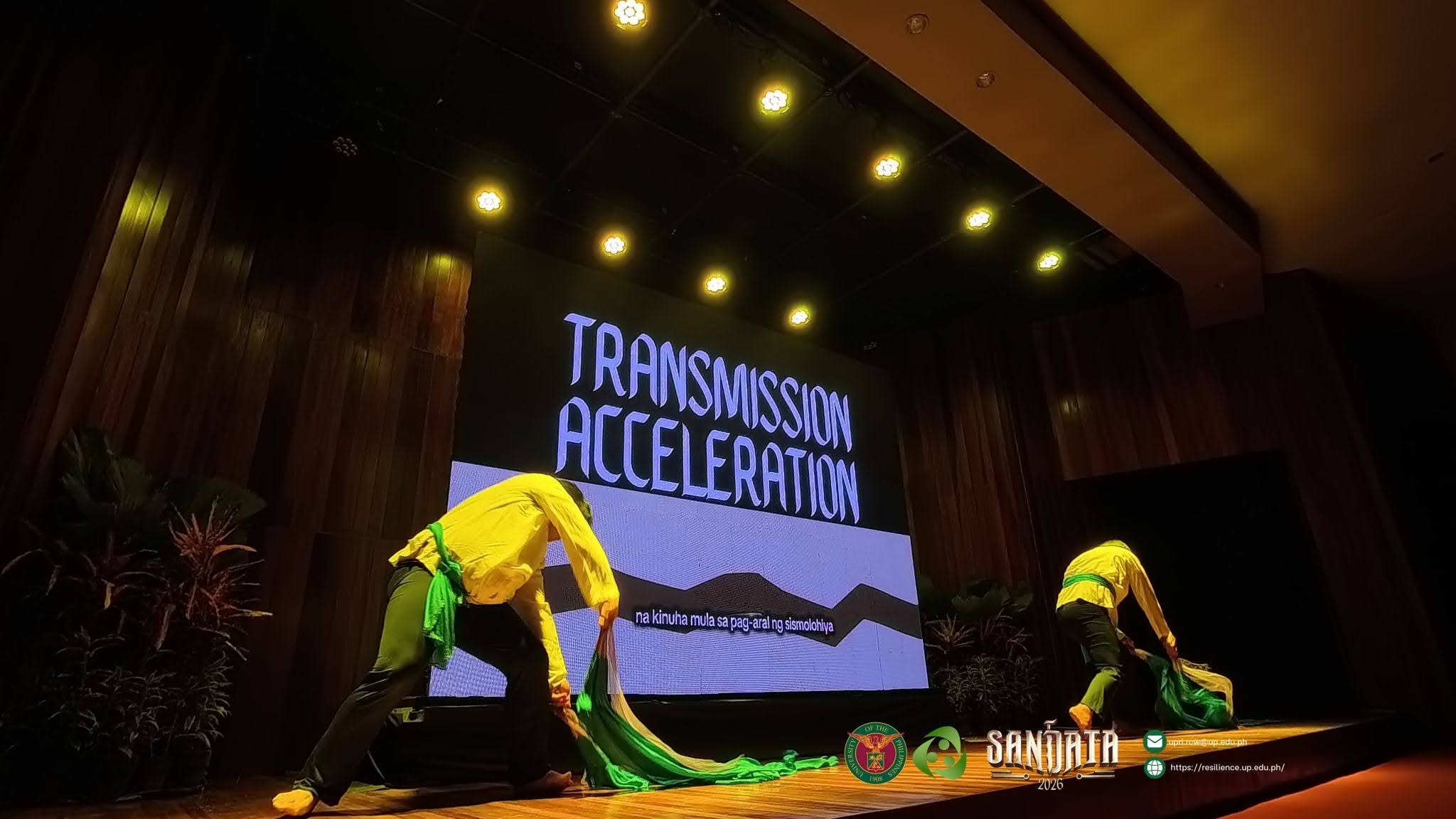
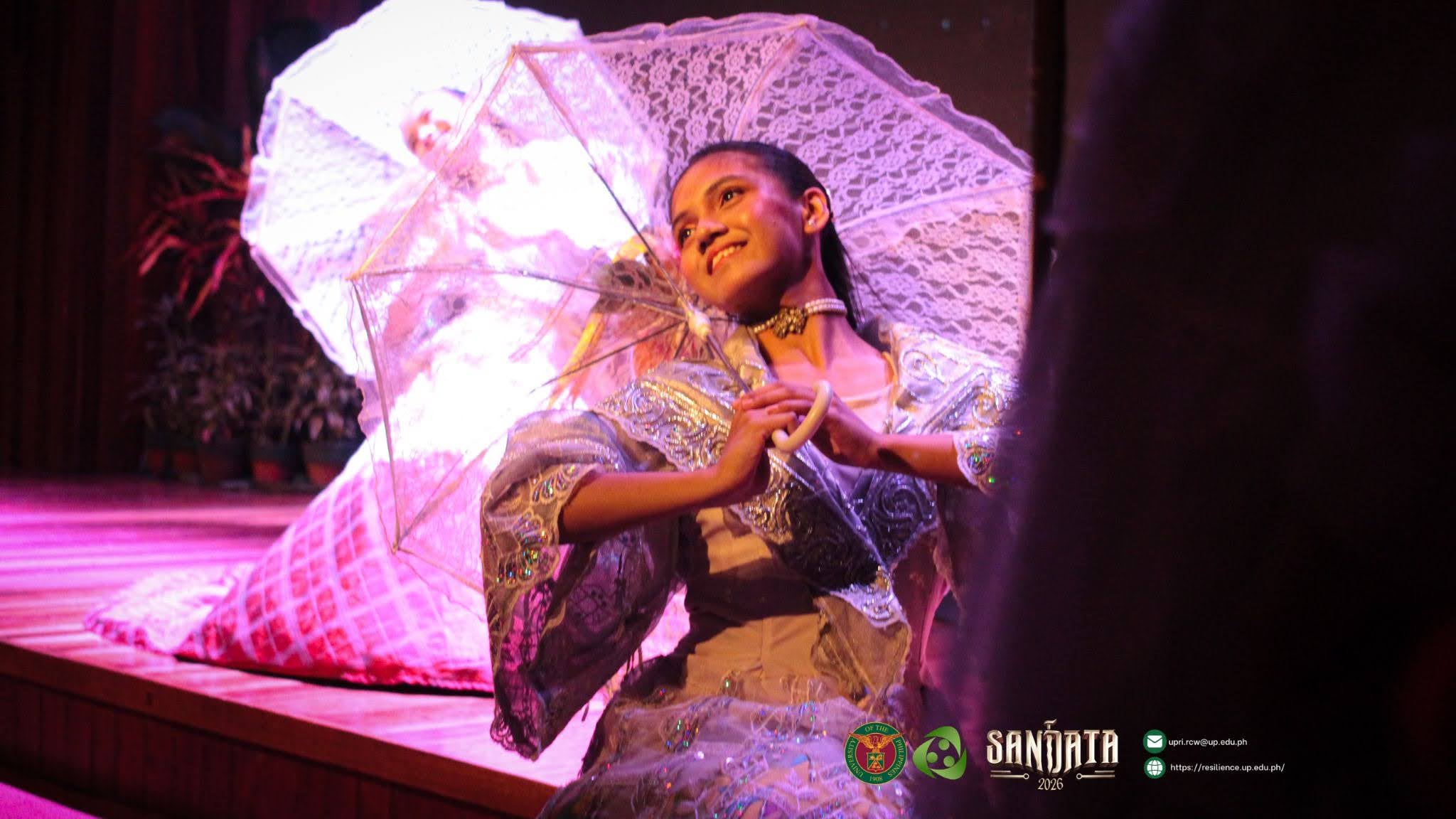
The Simeona F. Chanyungco Lahing Kayumanggi Mananayaw ng Marikina Inc. (SFCLKM) brought movement and artistic expression to Arcs 1 and 2, setting the stage for the presentation of two studies on dengue early warning: “Transmission acceleration outperforms the endemic-channel threshold for dengue outbreak detection” and “Generative embedding extends tabular foundation models to dengue early warning from sparse surveillance data.”
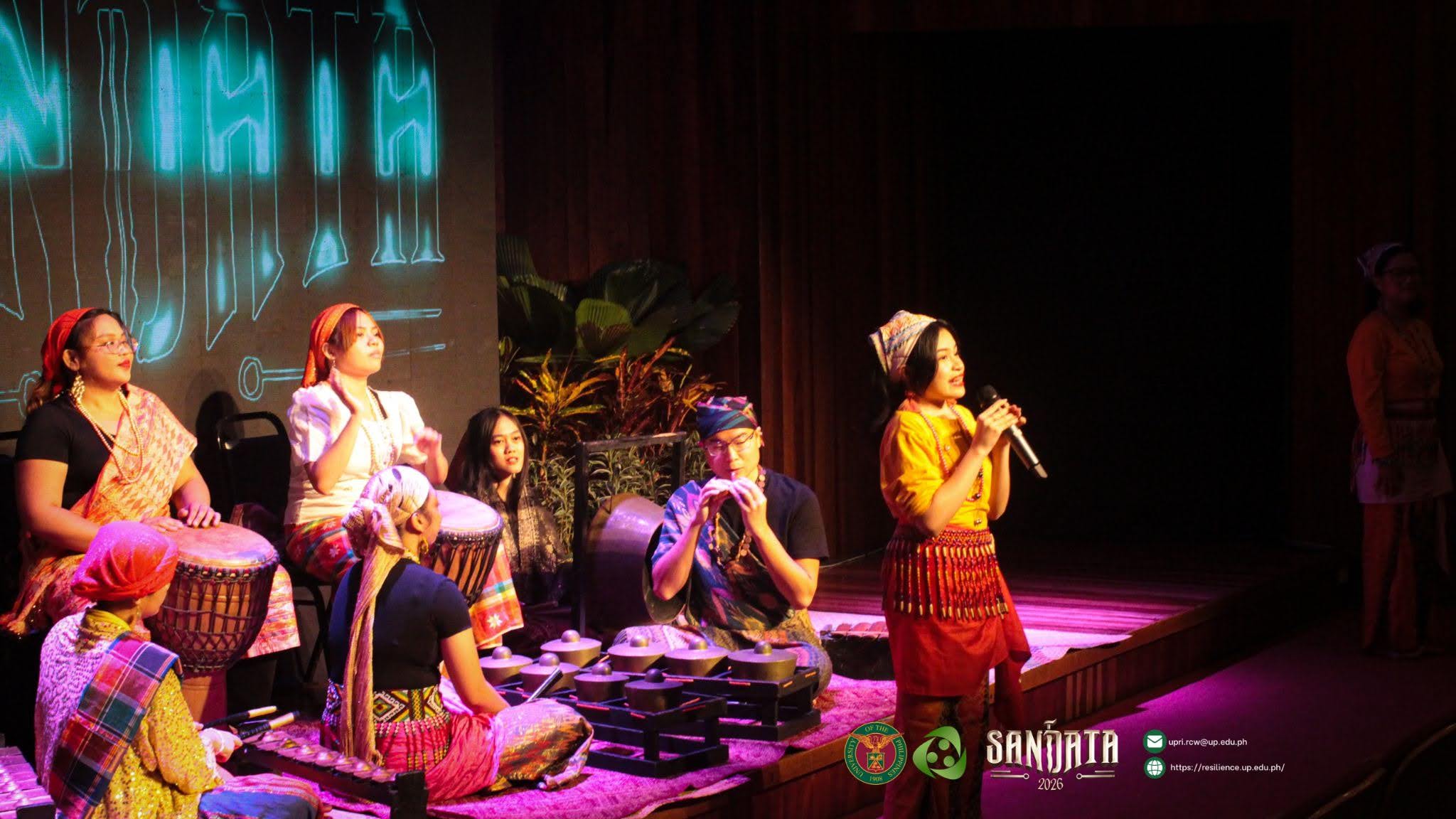
 Kontra-GaPi brought music, movement, and energy to Arcs 3 and 4, engaging participants through a fun mini dance tutorial featuring dances from Luzon, Visayas, and Mindanao. The performance set the stage for the launch of DengueR and the presentation of Paper 3, “Weekly dengue incidence linked to satellite rainfall at city, regional, and country scales.” The segment culminated in a collective “Datos ang Sandata!” chant, serving as a shared expression of commitment to using data, working together, and taking collective action toward dengue resilience.
A Shared Responsibility for Data-Driven Governance
The event also featured a panel discussion with representatives from government, academe, and behavioral science, highlighting that the value of data depends not only on the tools used to analyze it but also on the systems and partnerships that enable it to inform action.
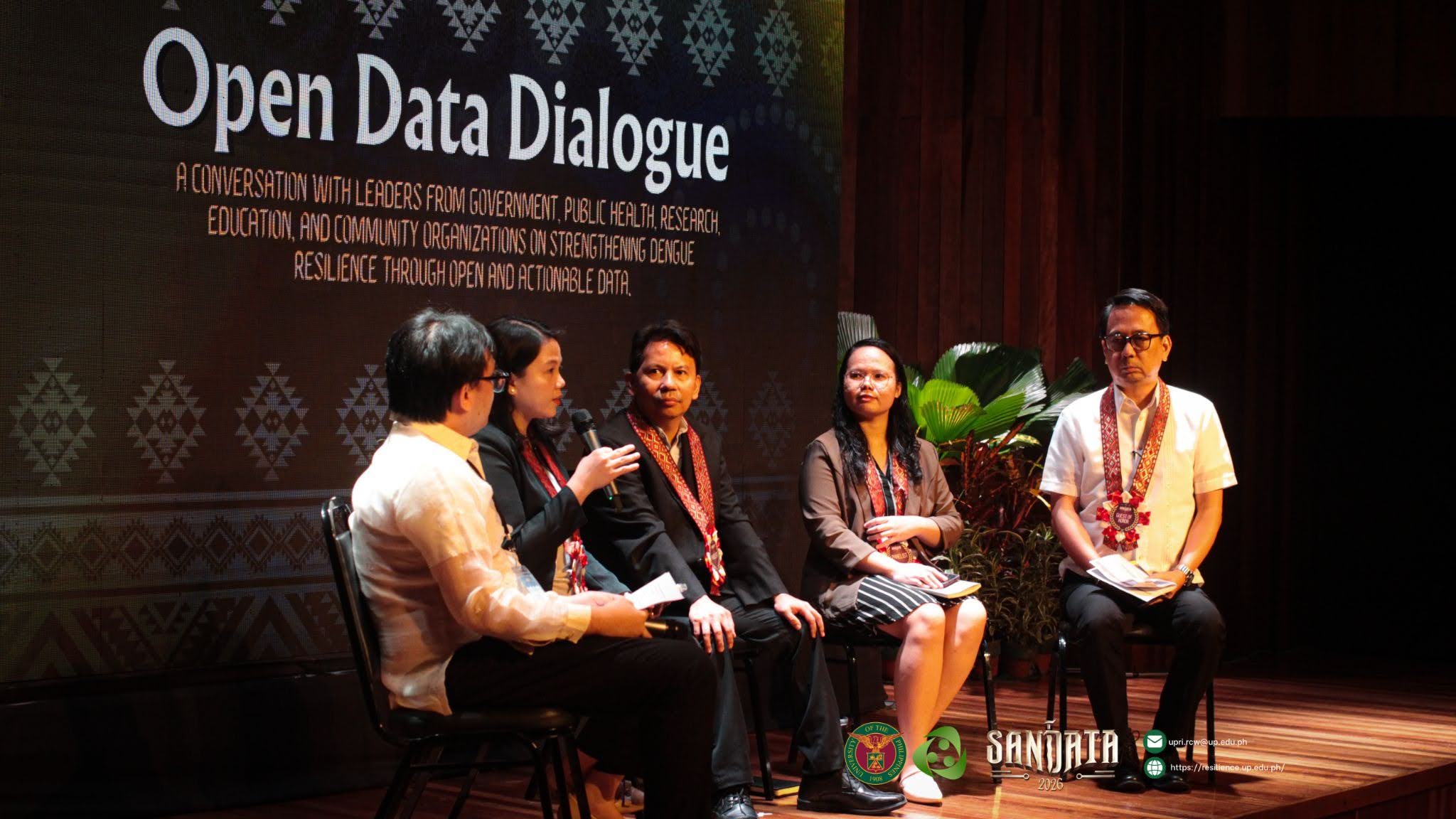
The discussion brought together Dr. Arem Gem D. Austria of the Department of Health (DOH) Epidemiology Bureau, Public Health Surveillance Division, Dr. Rolando “Rolly” Cruz, Chief of the Quezon City Epidemiology and Disease Surveillance Unit (CESU), Dr. Roderick T. Salvador of the College of Veterinary Science and Medicine at Central Luzon State University (CLSU), and Ms. Earl Joy Lopina, Social Behavioral Insights Associate at AHA! Behavioural Design.
Dr. Austria highlighted a fundamental challenge in dengue surveillance: relevant information comes from multiple sources and may differ in quality, format, completeness, and timeliness. Epidemiological, climate, environmental, vector, and health service data may also be managed separately. He emphasized the need to strengthen data interoperability, clarify data sharing arrangements, and improve data quality and standardization so that validated information can better support decision-makers and policymakers. Most importantly, he stressed that surveillance information must ultimately become actionable information.
Dr. Cruz, meanwhile, emphasized that while existing surveillance data can establish trends and detect outbreaks, the available information does not, by itself, explain why dengue cases and deaths continue to occur. He underscored the need for deeper research and collaboration across sectors to identify gaps and develop solutions that can reduce cases and deaths. He also highlighted the commitment to making anonymized health data available to universities and researchers, including more than a decade of data on dengue and other diseases, to support research and a better understanding of what is happening in communities.
For Dr. Salvador, one of the key challenges is the timeliness and accessibility of data, particularly when coordination with other government agencies is involved. He also emphasized the need to ensure that data analysis and research findings move beyond academic settings and become useful to communities. He noted that data sharing can allow institutions to contribute their respective expertise, reduce duplication of efforts, and strengthen collaboration in research, education, and public health action.
Adding a behavioral science perspective, Ms. Lopina emphasized that early warning information must be usable and actionable for its intended users, particularly communities and frontliners. Information alone, she noted, is not enough. Understanding who communities trust, which channels they use, and how they receive information is also essential. She highlighted the opportunity to integrate behavioral insights with existing health and environmental data to understand better the factors contributing to dengue and to develop meaningful, context-specific interventions.
Together, the discussion reinforced that data-driven governance is not solely about developing better technologies. It also requires reliable and accessible information, stronger data sharing and collaboration, and the ability to translate evidence into interventions that people and institutions can understand and use.
Looking Beyond the Numbers
The open forum expanded the discussion by examining the questions that data still needs to answer.
Dr. Maria Teresa Lorenzo of the Philippine Children’s Medical Center, a pediatric intensivist and head of the Technical Working Group on Dengue and Leptospirosis, raised questions about the apparent changes in dengue trends before, during, and after the COVID-19 pandemic. She suggested looking beyond rainfall and examining other factors that may influence dengue transmission, including people’s mobility and travel, household practices, and behaviors during the pandemic. She also highlighted the value of hospital-level weekly surveillance in identifying case thresholds that could trigger preparations for severe dengue and ICU cases.
The exchange that followed also brought attention to the limits of purely reactive surveillance. Responding to a question from the barangay and community sector about why dengue cases continue despite interventions such as fogging and the elimination of mosquito breeding sites, the panel explained that traditional surveillance identifies cases only after people have already been infected. The discussion emphasized the importance of identifying risk earlier by monitoring conditions that allow mosquito populations to increase, particularly the presence of breeding sites, and strengthening preventive action not only at the barangay level but also within households and communities before cases escalate.
These exchanges reflected a central challenge in dengue resilience: understanding the numbers is important, but anticipating risk also requires examining the environmental, epidemiological, behavioral, and other factors behind them.
Data for Anticipation and Action
The story of SanData 2026 was ultimately one of turning information into action.
From the research outputs that examined different dimensions of dengue risk to the DengueR Dashboard, designed to support earlier preparation, the event demonstrated how climate and health research can move toward practical and locally actionable applications.
Data, on its own, cannot prevent an outbreak. Its value lies in how it is transformed into knowledge, communicated to the people who need it, and used to inform decisions. When combined with research, technology, collaboration, and effective communication, data can support a shift from reacting to outbreaks toward anticipating risks and preparing for them earlier.
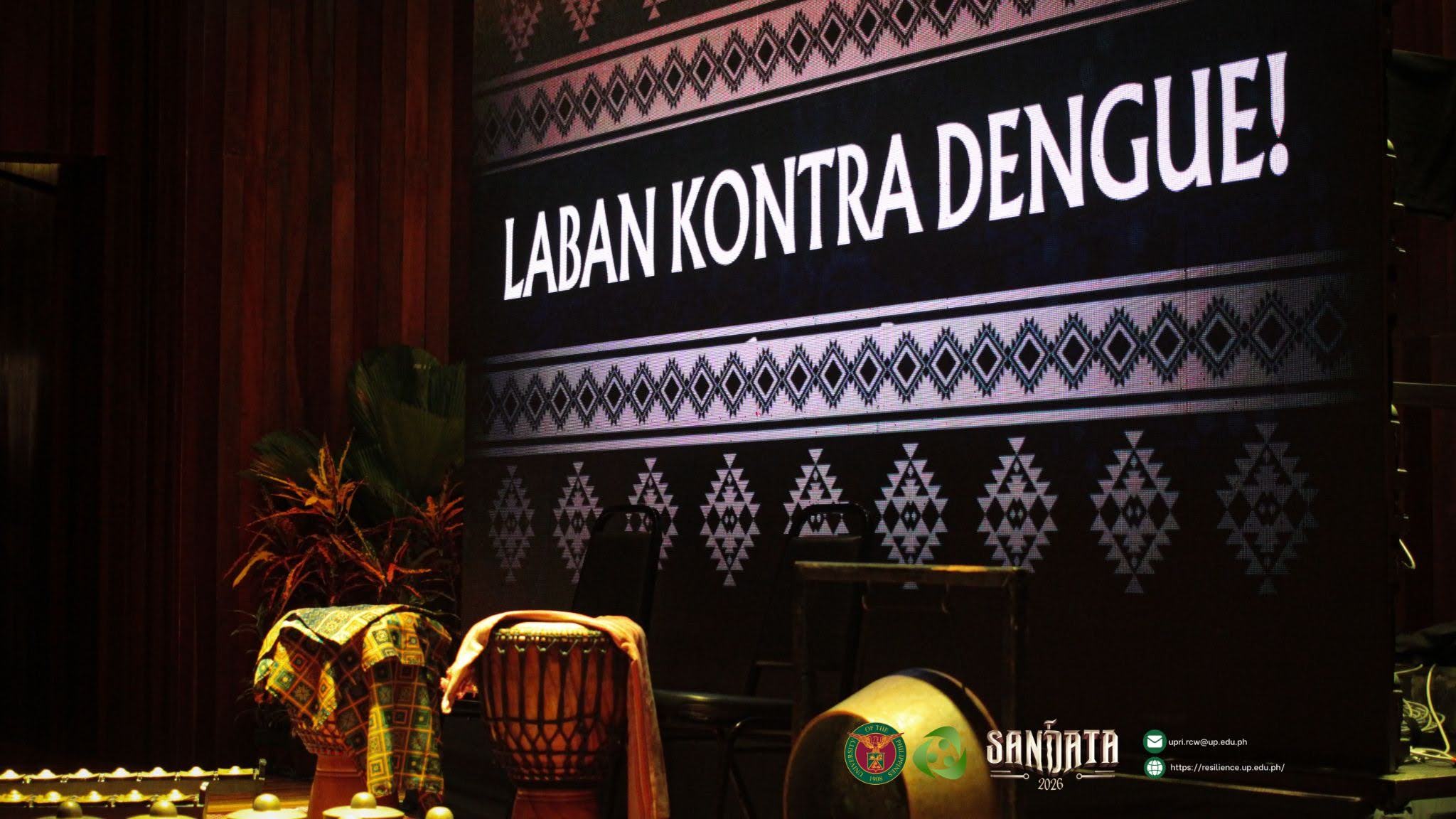
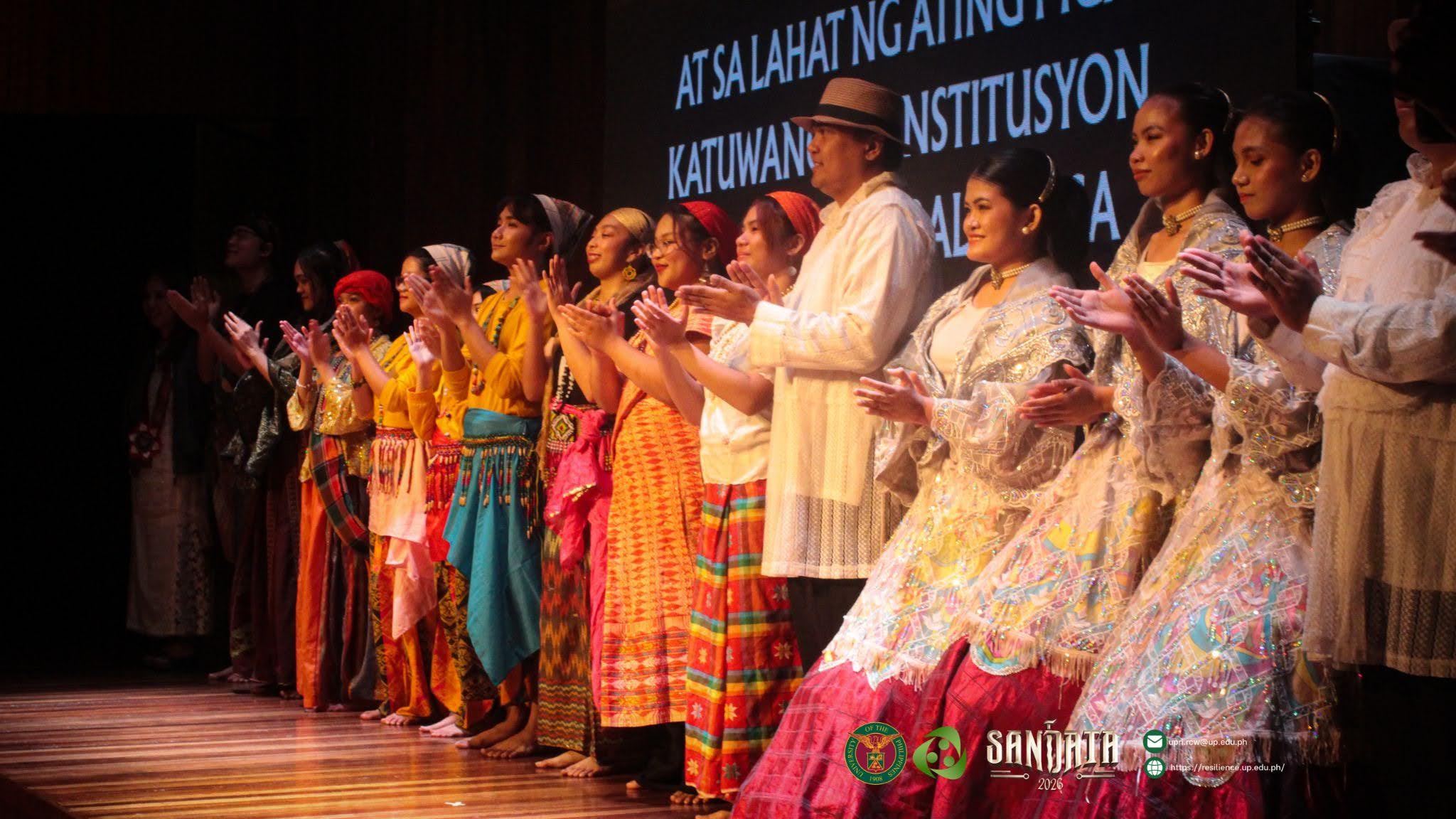
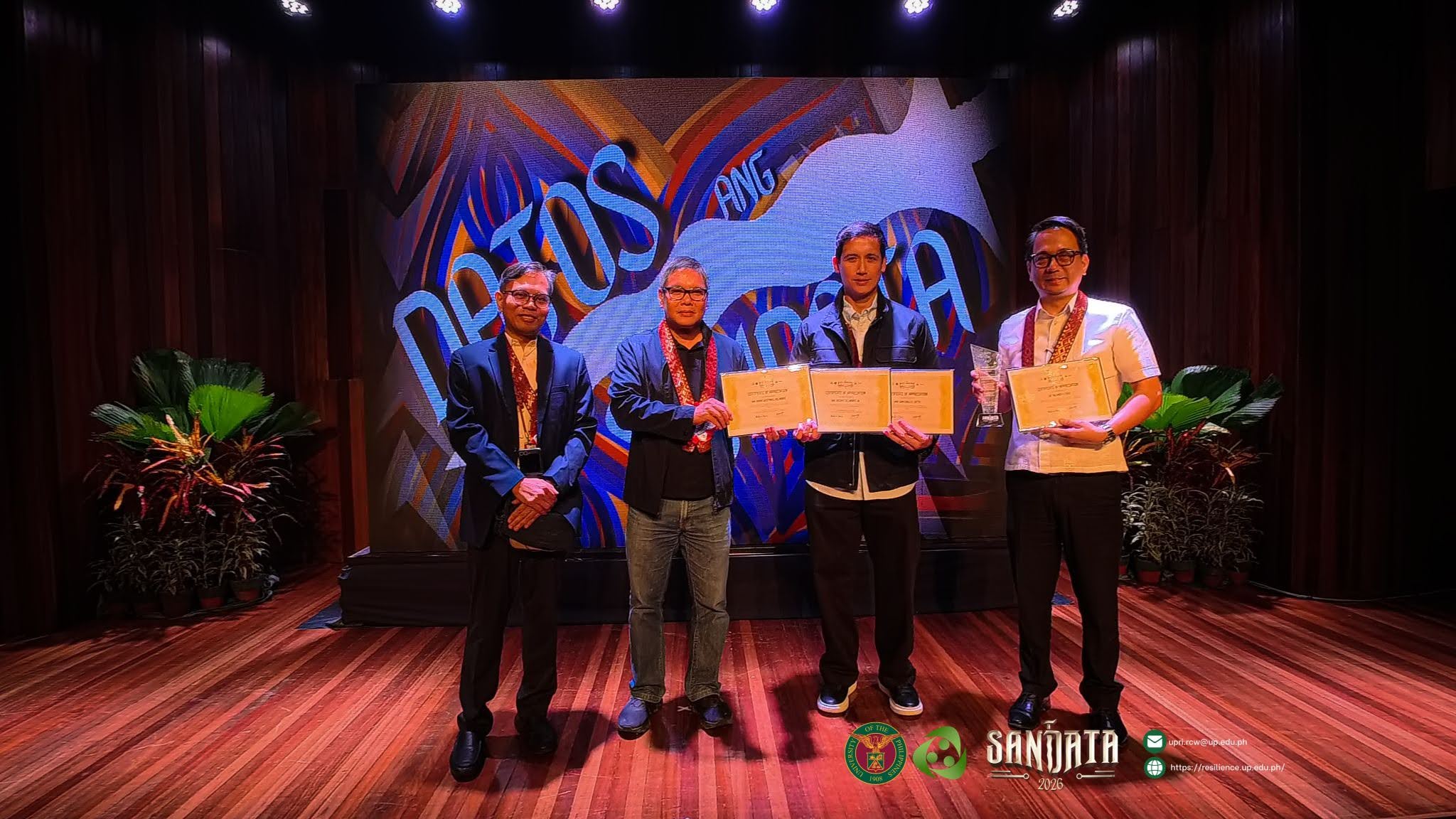
Through SanData 2026, UPRI RCW brought together these different dimensions of dengue resilience: science, technology, governance, collaboration, and creative communication. Because when data is made meaningful, accessible, and actionable, it becomes a powerful tool for resilience.
Dahil datos ang sandata.