
by Aira Joy C. Delos Angeles and Dr. DJ Darwin Bandoy
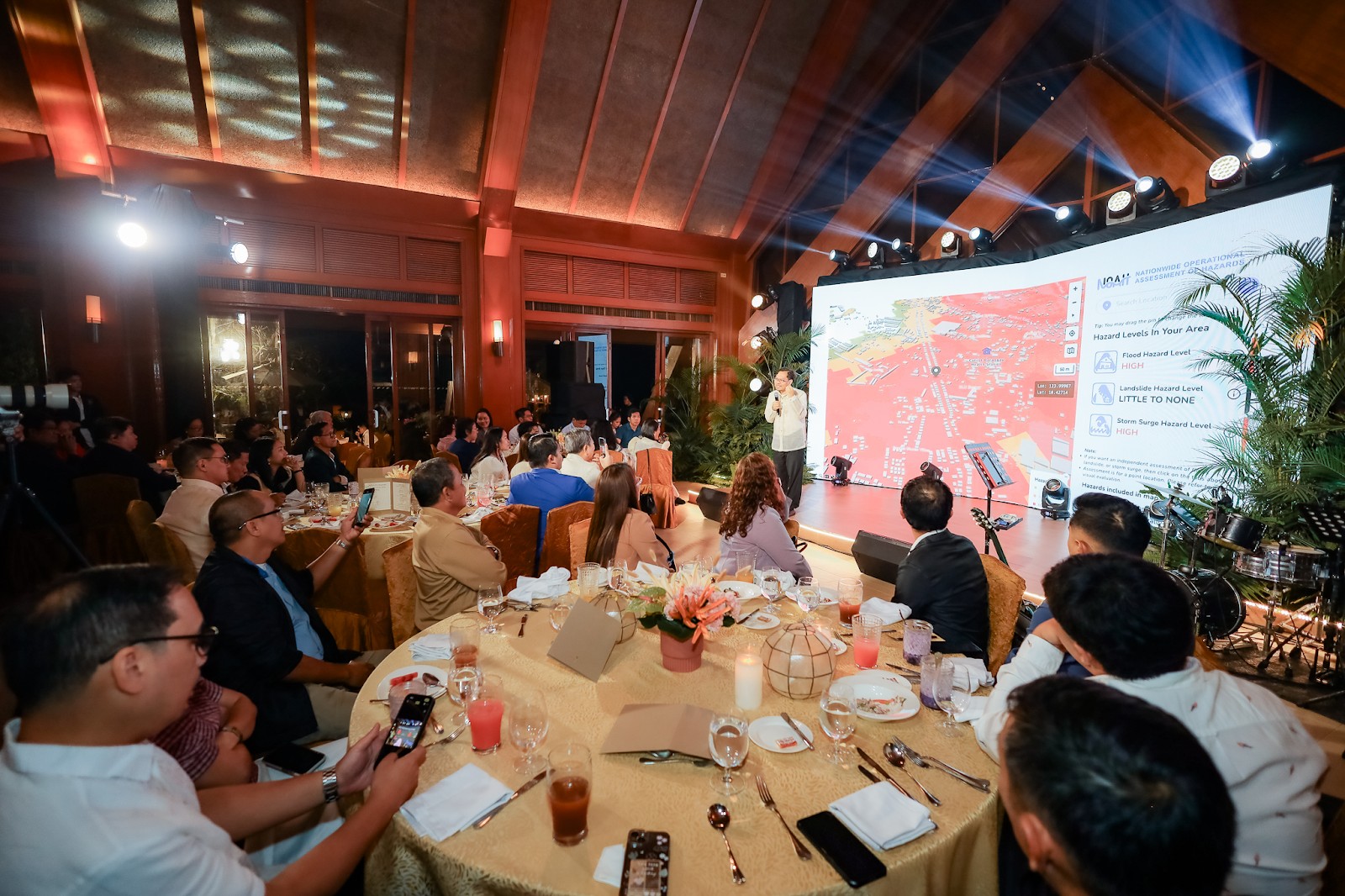
Dr. Darwin Bandoy, Director of the Research and Creative Work Division of the UP Resilience Institute, highlighted the critical role of science-based planning in disaster risk management during Recharge Cebu 2026, organized by ACEN Renewable Energy Solutions (ACEN RES). The forum, held at the Ocean Pavilion of Shangri-La Mactan, carried the theme “Celebrating the Resilient Cebuano Spirit.” It brought together business leaders, sustainability advocates, and industry stakeholders to discuss resilience in the face of natural hazards. The event emphasized proactive strategies that protect both communities and enterprises. Participants were encouraged to adopt data-driven, long-term strategies for disaster risk reduction.
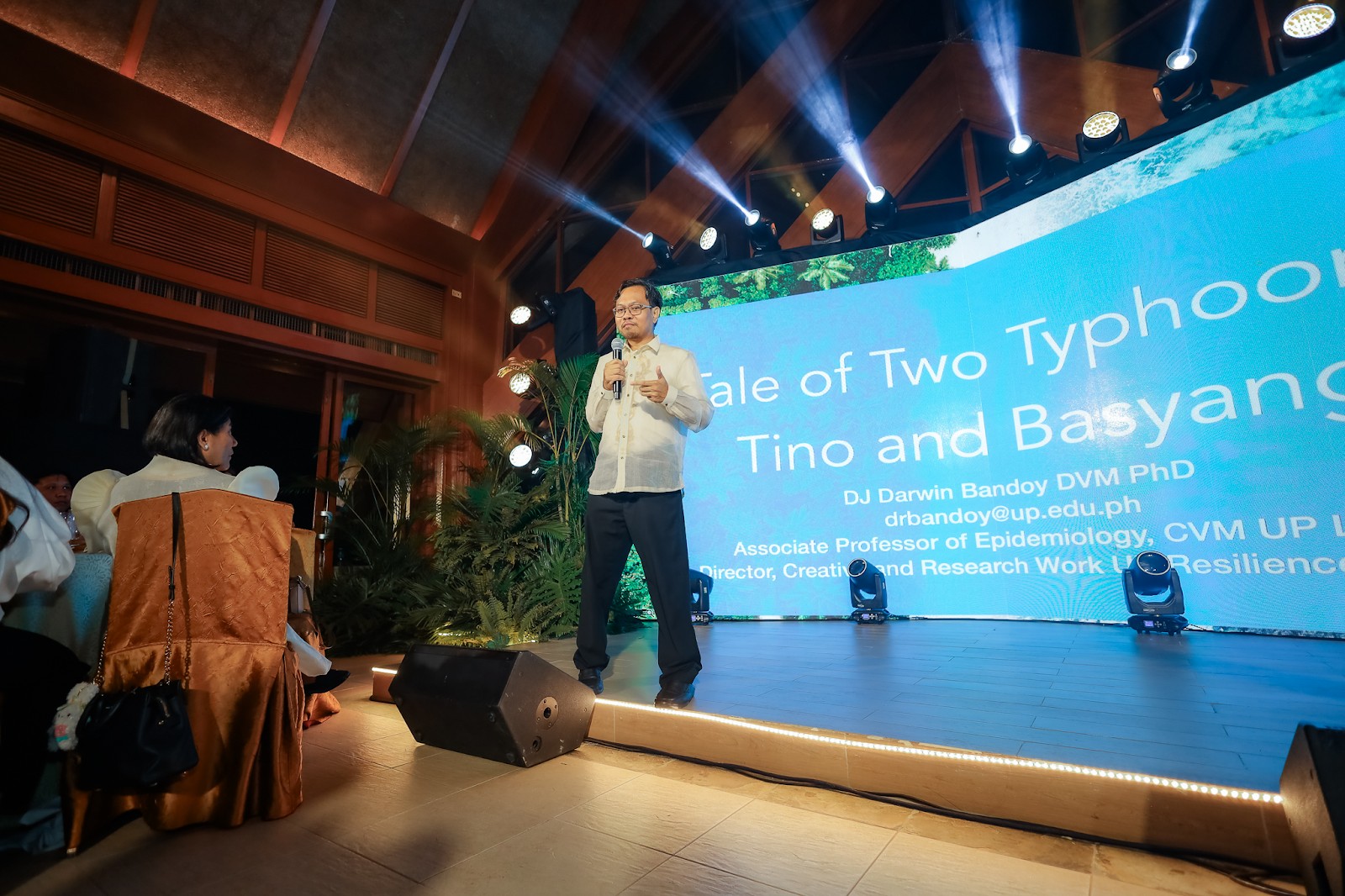
Dr. Bandoy noted that Cebu’s response to Typhoon Tino resulted in alarmingly high mortality, revealing critical gaps in preparedness and planning. He highlighted Iligan City’s experience during Typhoon Basyang, where casualties were far fewer because local authorities had integrated Project NOAH’s hazard maps and early warning systems into their disaster response strategy. The Department of Education collaborated with the UP Resilience Institute to proactively advise 88 schools in flood-prone areas not to serve as evacuation centers, reducing unnecessary risks. These measures show how foresight and the use of hazard data directly save lives. They also underscore that proactive, data-informed decision-making is essential before disasters strike.
Practical Use of Hazard Data
The UP Resilience Institute’s partnership with Iligan authorities and the Department of Education demonstrated how hazard information can guide safer practices. By identifying at-risk locations and providing timely guidance, exposure to flooding was significantly reduced. Dr. Bandoy stressed that effective disaster risk management requires anticipatory action, not just reactive measures. Aligning local planning with accurate hazard maps and early warning systems can prevent casualties and strengthen community resilience. Iligan’s experience provides a practical model for integrating science-based tools into local planning.
Bridging the Knowledge Gap
Despite Project NOAH tools being freely available at noah.up.edu.ph, Dr. Bandoy noted that awareness remains limited among Cebu’s business leaders and chambers of commerce. This knowledge gap continues to create vulnerabilities in a region highly exposed to typhoons. He emphasized that adopting science-based tools is essential for both public safety and enterprise continuity. Building on these lessons, closing the knowledge gap will require education, collaboration, and policy integration across multiple sectors. Routine use of hazard data in planning can significantly reduce risks in future events.
Moving Forward with the Resilient Cebuano Spirit
The forum’s theme, Celebrating the Resilient Cebuano Spirit, reflects a forward-looking approach to community and enterprise resilience. Dr. Bandoy concluded that building a more resilient Cebu depends on institutionalizing the use of science-based hazard information. Businesses, government agencies, and communities all have a role in embedding data-driven decision-making into their planning. Initiatives like Recharge Cebu 2026 provide a platform to share knowledge, raise awareness, and encourage collaboration. By prioritizing preparedness and actively using tools like Project NOAH, Cebu can strengthen its capacity to face future climate hazards.