In support of the International Organization for Migration (IOM)’s Climate Mobility Innovation Lab (CMIL), the University of the Philippines (UP) Resilience Institute (UP RI) – Nationwide Operational Assessment of Hazards (UP NOAH) Center is continuing work on the Risk Index for Climate Displacement (RICD). The RICD is being developed as a support tool for national leaders and decision-makers to determine where and why climate-related displacement may occur. It combines existing datasets and modelling to pinpoint displacement “hotspots” and inform proactive resilience planning.
The RICD has been successfully rolled out in Indonesia, the Philippines, and Fiji, and is now being piloted in Vanuatu. The RICD tool supports the commitments of the Pacific Regional Framework on Climate Mobility (PRFCM), which was endorsed by Pacific member states, including Vanuatu. The model is firmly anchored in national systems, and through the collaboration of the government and local actors, will ensure that it is embedded in their national planning.
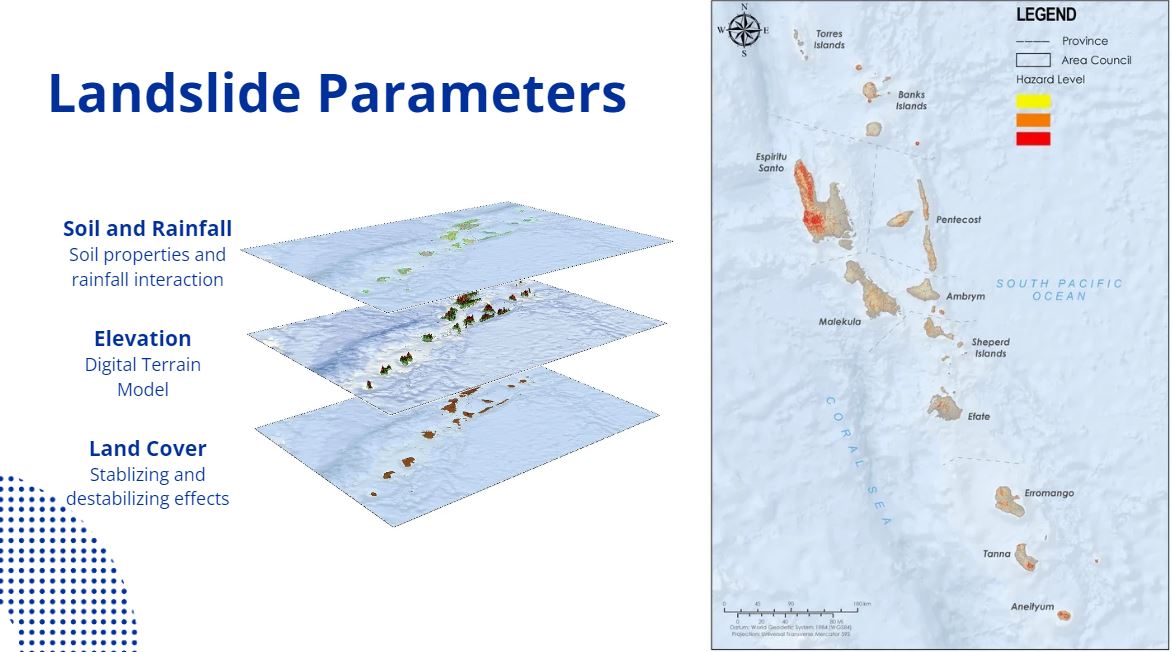
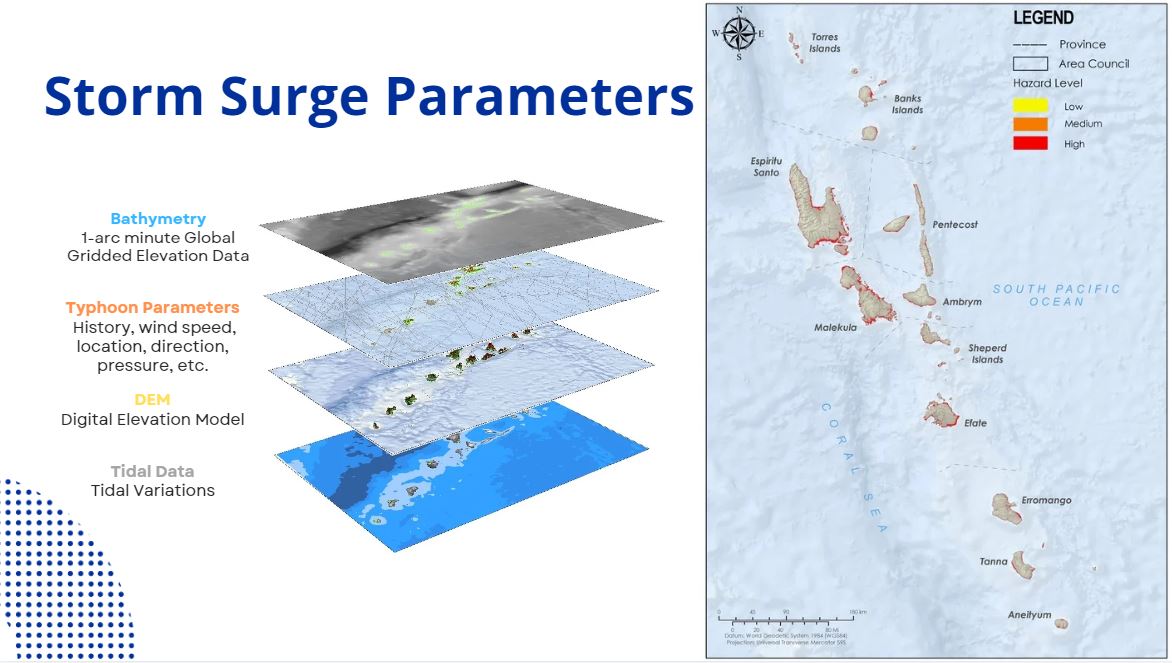
An introductory briefing with key stakeholders across government and development sectors was held in June 2025 to introduce the RICD framework, its intended outputs, and the complementary Climate Catalytic Fund (CCF). In December 2025, a technical workshop on RICD Indicator Setting and Data Mapping was held to collectively develop the analytical foundation of the Vanuatu RICD model.
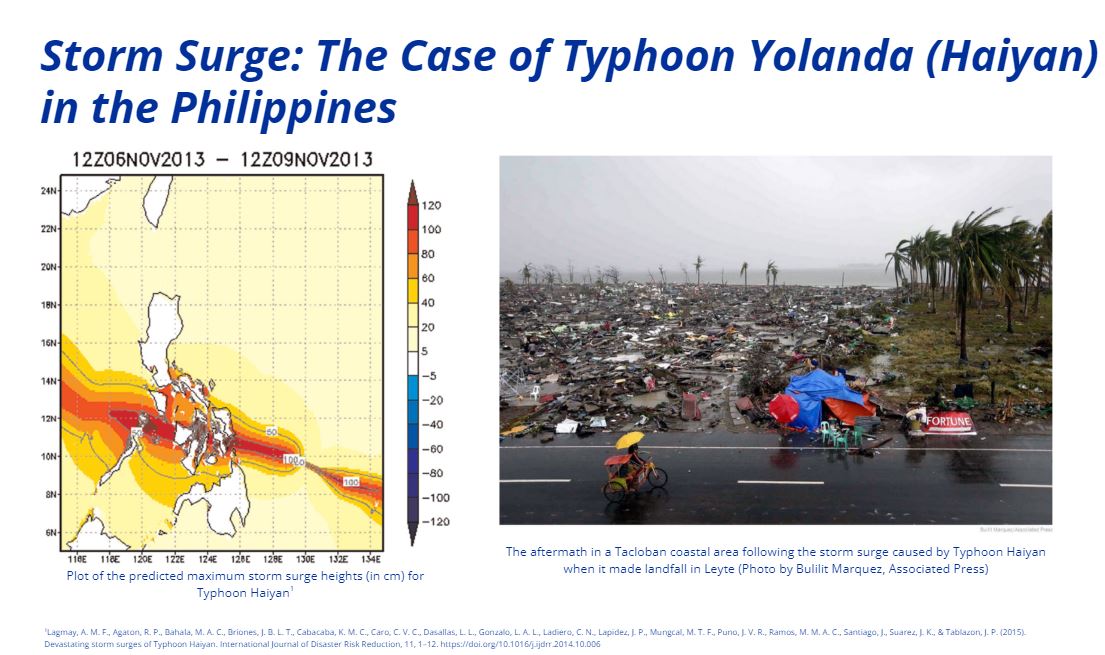
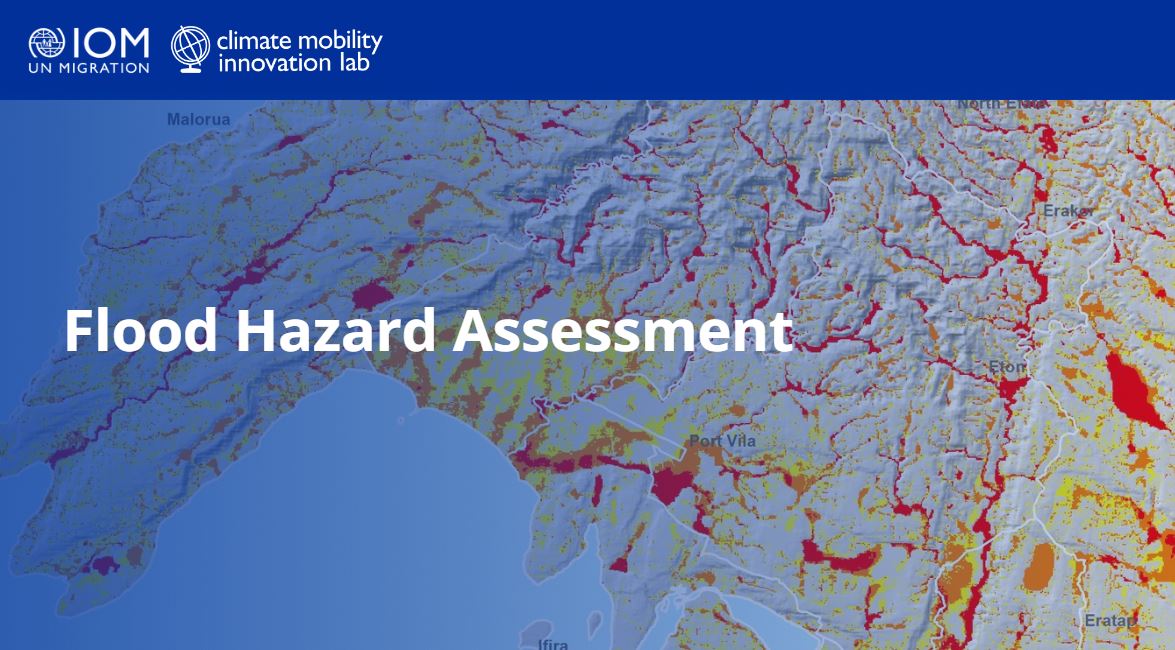
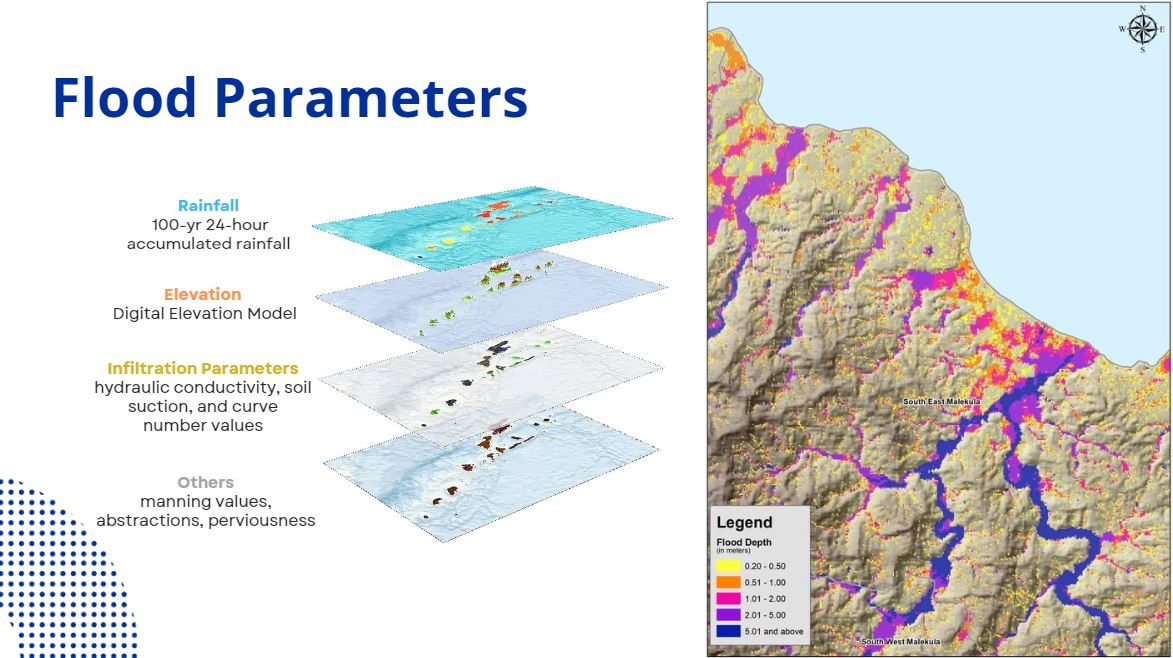
This year, the Government of Vanuatu and the IOM conducted the 2nd Technical Workshop for RICD in Port Vila, Vanuatu. The hybrid event was held on March 16, 2026. The participants of the workshop include government departments, agencies, key technical stakeholders and practitioners, as well as academic institutions and development partners that work on climate change, disaster risk reduction, relocation and displacement, and climate resilience. UPRI representatives Gifford Agudo, Steffanie Chua, and Arge Esquivel attended online to discuss the Macro-Level Risk Assessment, conduct Hazard Validation, and facilitate activities for the Refining of the Vulnerability Indicators, respectively. Joy Santiago, Kenneth Suarez, and Kate Manegdeg were also present to provide support.
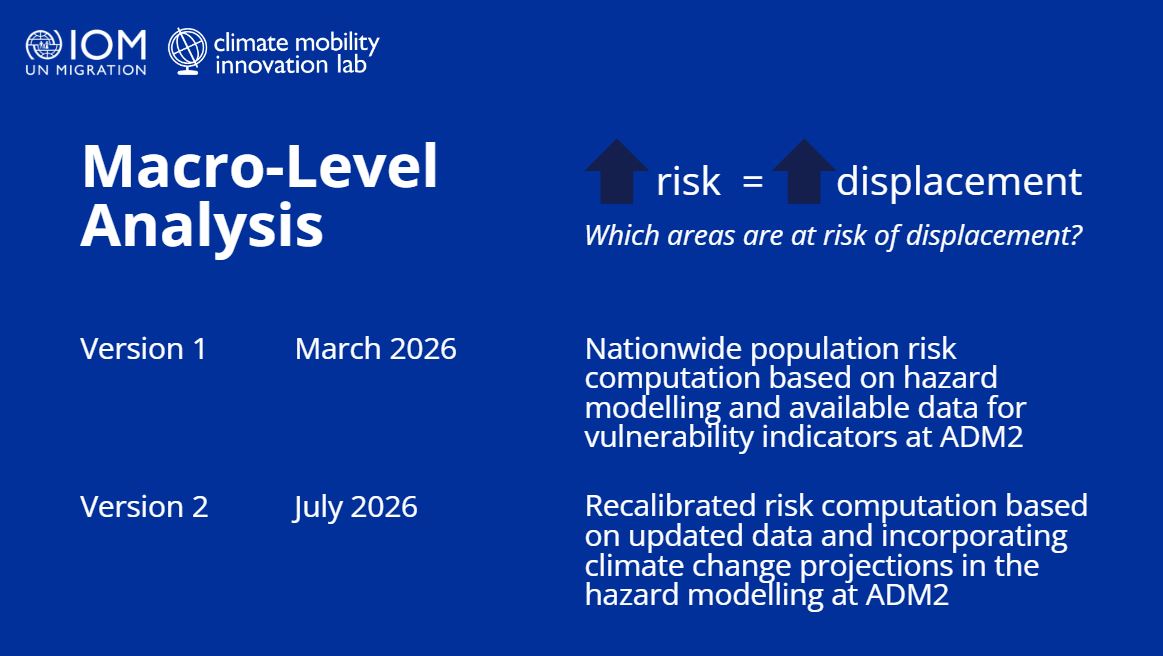
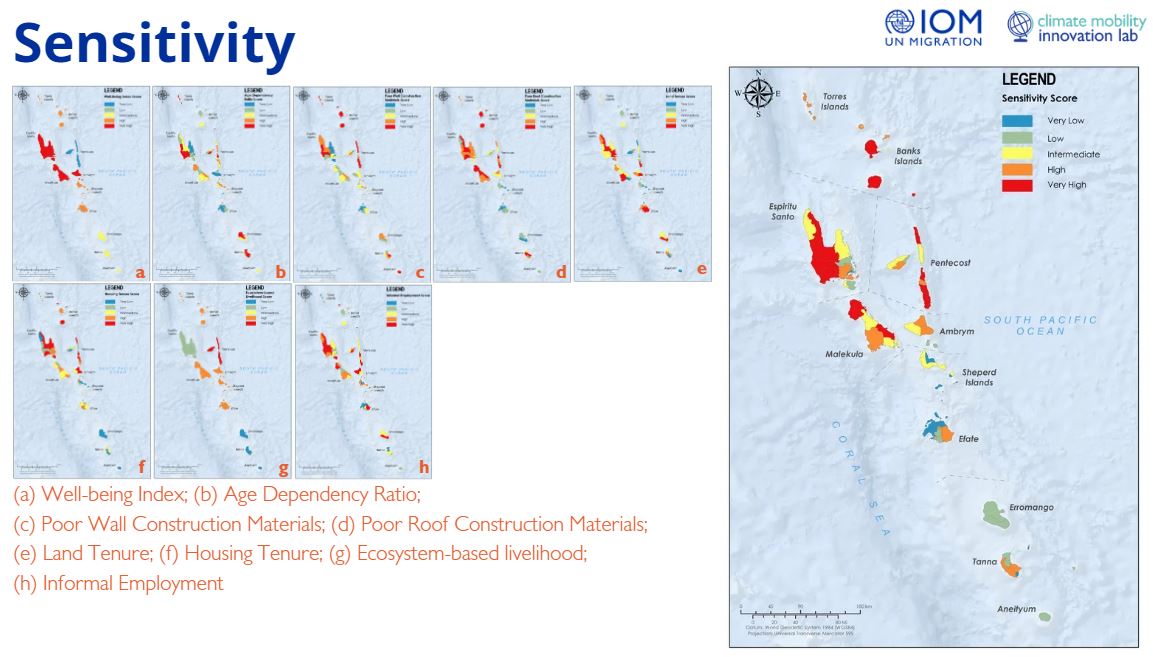
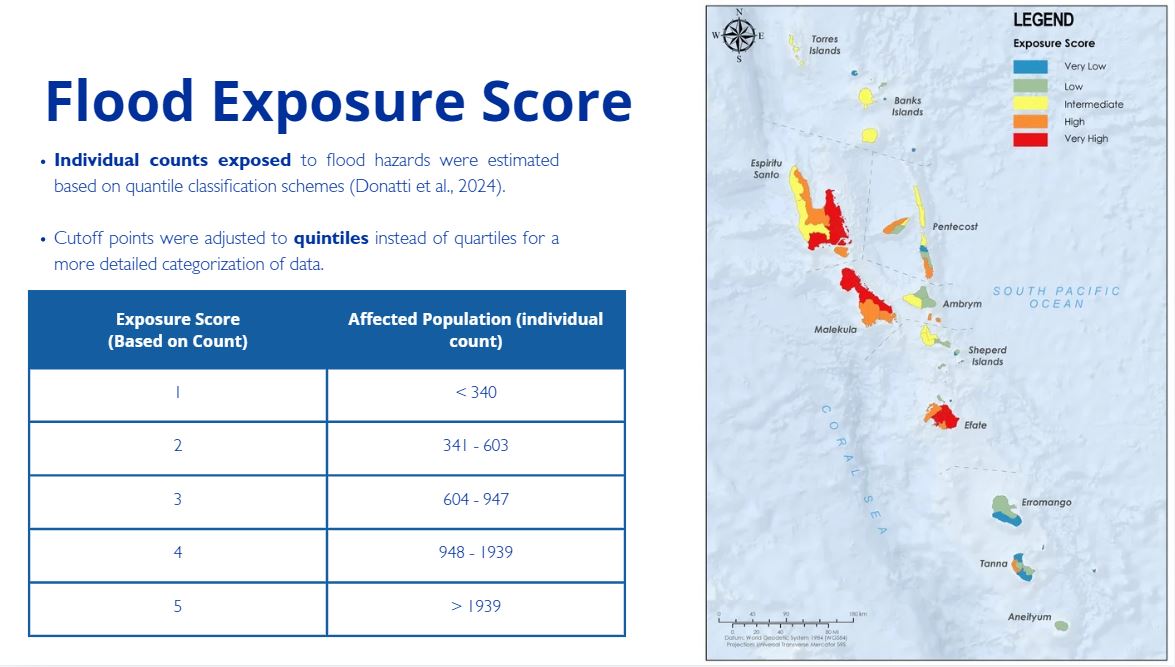
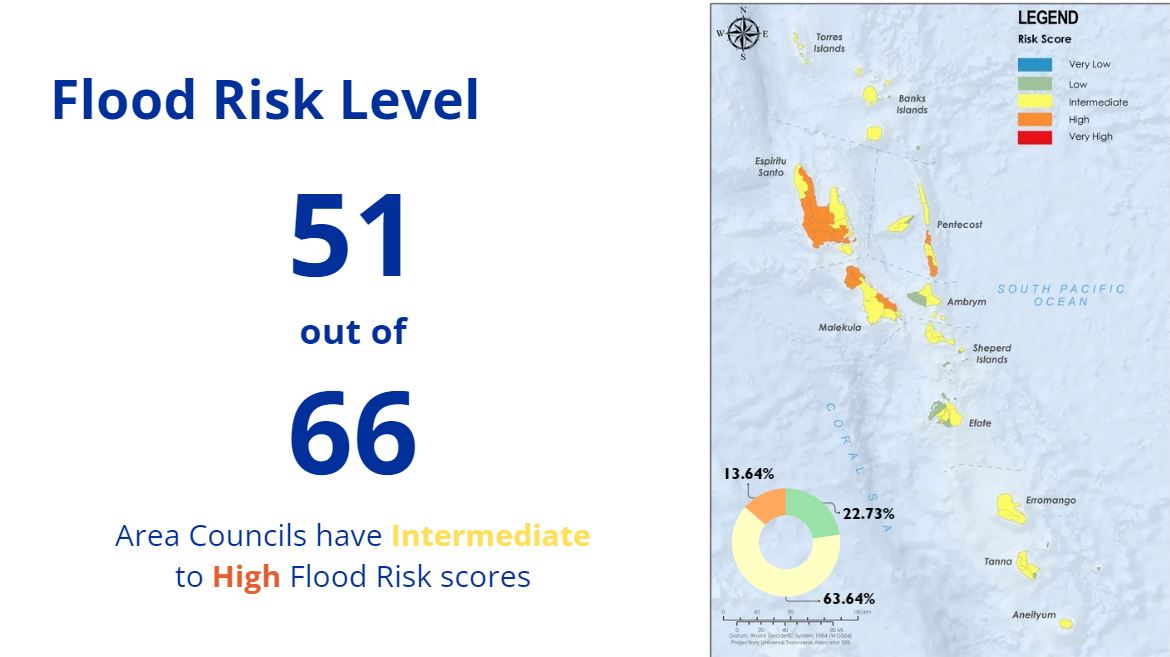
In this second technical workshop, the participants were able to validate the initial version of the RICD macro-level analysis, confirming the preliminary findings and the priority “hotspots”, and examining remaining data gaps. The upcoming RICD micro-level (community) analysis was also discussed, with the facilitators presenting the priority locations for field assessments and the survey instruments that will be employed to inform the next phase of RICD implementation.
As climate change accelerates and its effects become more pronounced, individuals and communities continue to migrate, and will do so at increasing rates, whether voluntary or involuntary. Climate-induced displacement presents both challenges and opportunities for the international community to continue working together in the face of climate disasters. The institute continues to utilize available tools and methodologies to advance its research towards the possibility of better prediction of future behaviors.