
by: Julia Fye Manzano
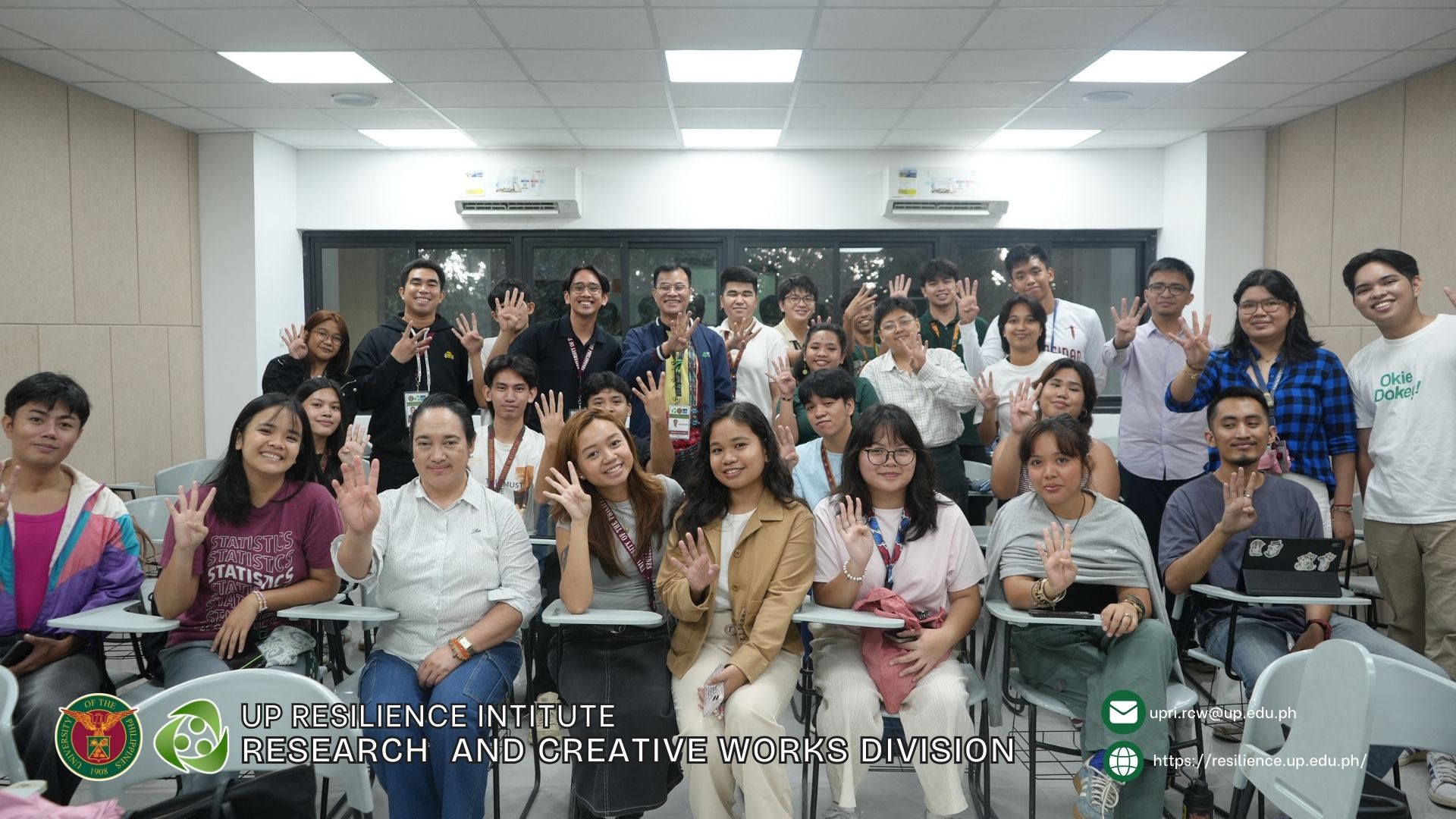
November 17, 2025 – The University of the Philippines Resilience Institute – Research and Creative Work Division (UPRI-RCW), in partnership with the UP National College of Public Administration and Governance (NCPAG) and UPRI YouthMappers, conducted a youth mapping workshop to help students identify dengue-related risks within the UP Diliman campus. The activity is part of the series “IS-KORD: Mapping Dengue, Empowering UP Community,” which introduces students to use Geographic Information System (GIS) tools and OpenStreetMap (OSM) for community-level mapping. UPRI-RCW stated that the workshop supports efforts of community participation in data gathering and localized health risk awareness.
NSTP Professor Zita Calugay highlighted that the youth mapping activity aligns closely with the objectives of the Civic Welfare Training Service (CWTS) component of the National Service Training Program (NSTP), which seeks to cultivate compassion for others and for the country. She explained that NSTP focuses on developing students’ skills for disaster response and community engagement. The workshop, she said, serves as a concrete example of how students can move beyond classroom learning and actively participate in addressing urgent community concerns.
Rain Maculado, president of UPRI YouthMappers, also emphasized that by equipping young people with the ability to map their own communities, the initiative empowers them to respond to pressing social issues, including disaster risk and health threats such as dengue. In a country like the Philippines, which is highly exposed to hazards such as typhoons and earthquakes, Mapping plays a critical role in identifying vulnerable areas and prioritizing action. It also serves as a bridge for visualizing vulnerabilities and science to communities. He stressed that access to reliable and localized information is vital, noting that informed communities are better positioned to protect lives and strengthen resilience.
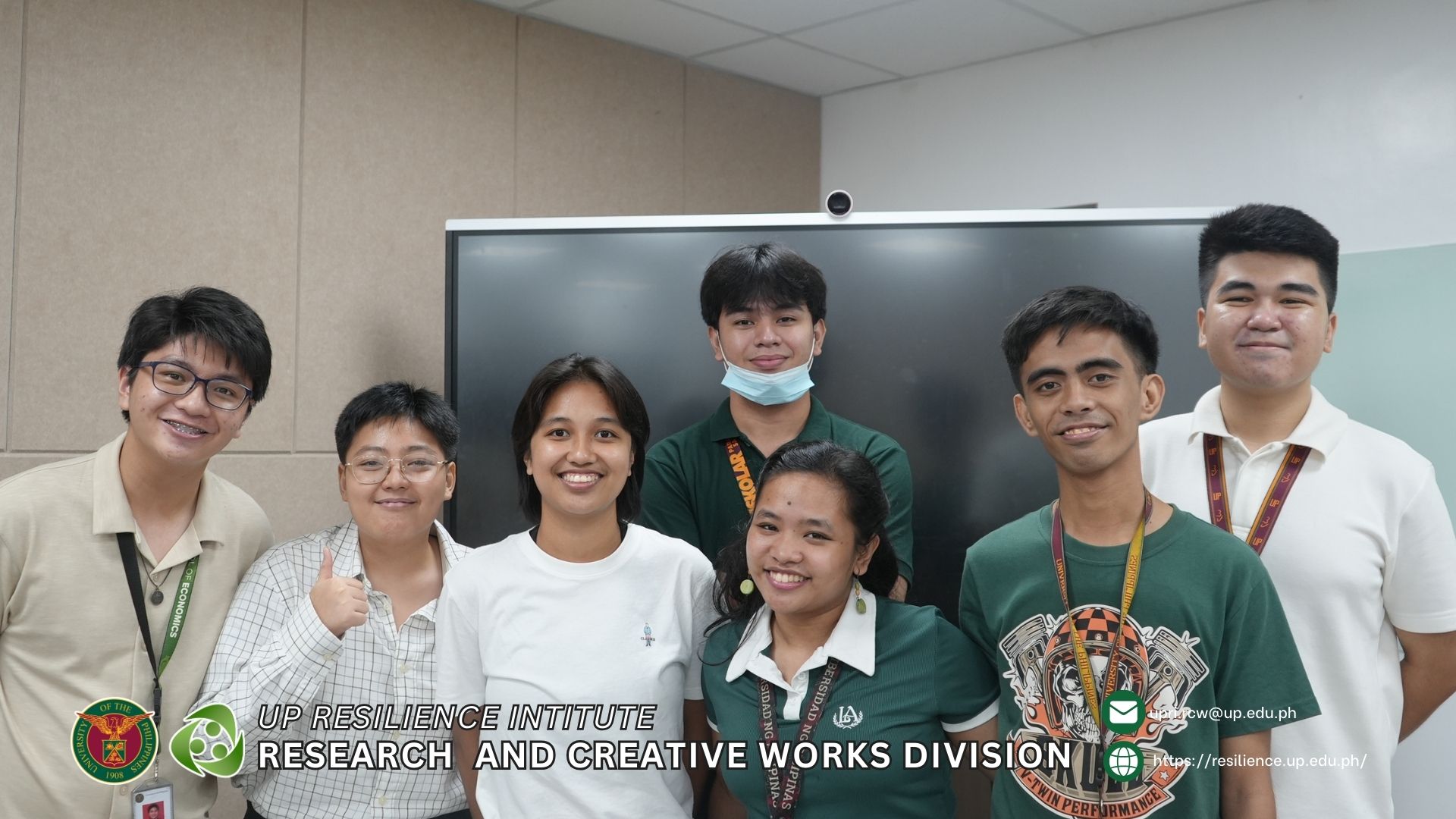
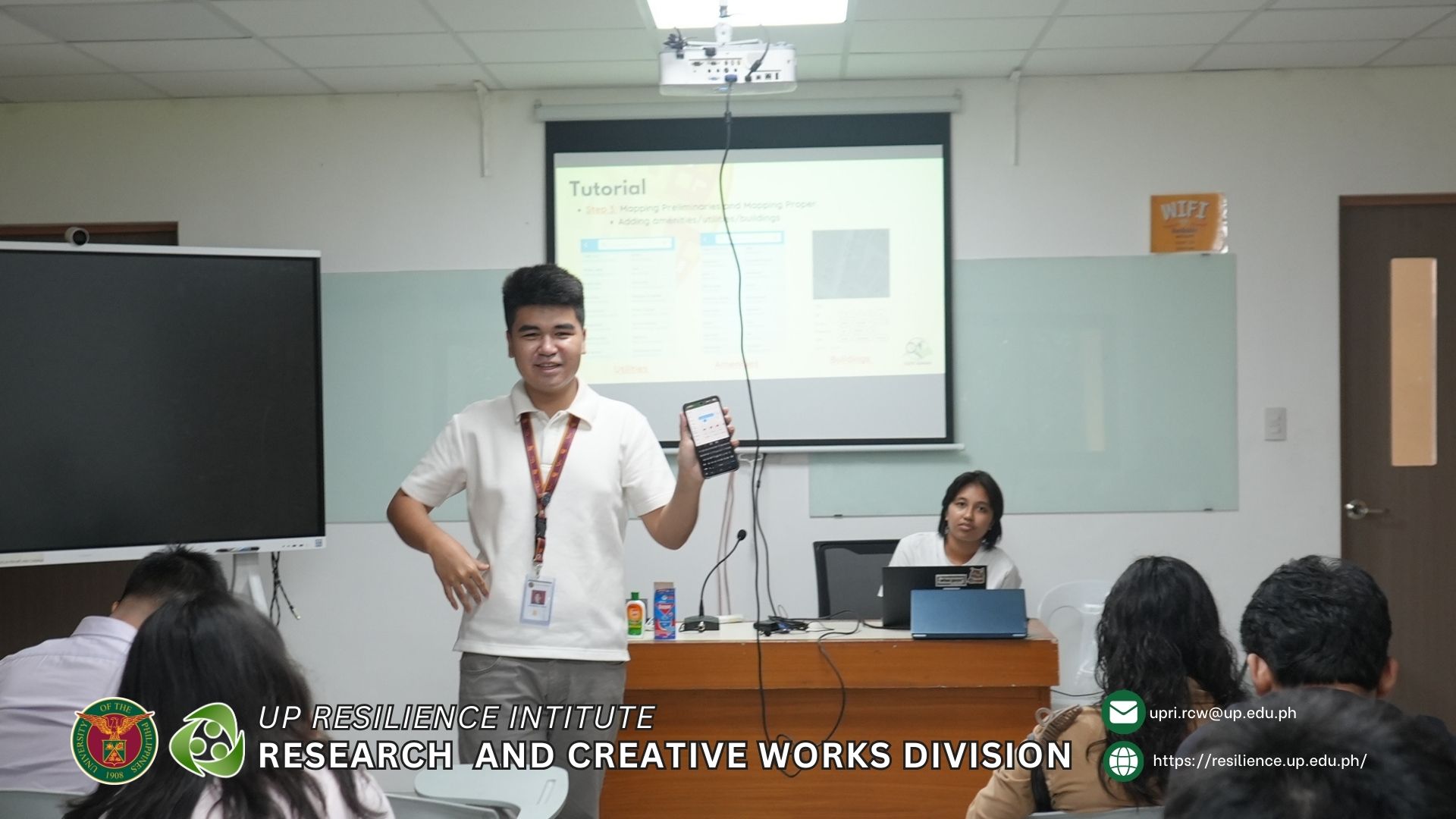
By equipping students with practical GIS and OSM skills, the initiative transforms them from passive learners into active contributors to health risk reduction and community resilience. The insights shared by UPRI YouthMappers and faculty underscore that locally generated information is not only a technical resource but also a catalyst for awareness, accountability, and action. As dengue and other climate-sensitive health threats continue to challenge urban communities, initiatives like this affirm that empowering the youth with knowledge, tools, and a service-oriented mindset is essential to building safer, more resilient campuses and communities.