
by: RCW and Education Division
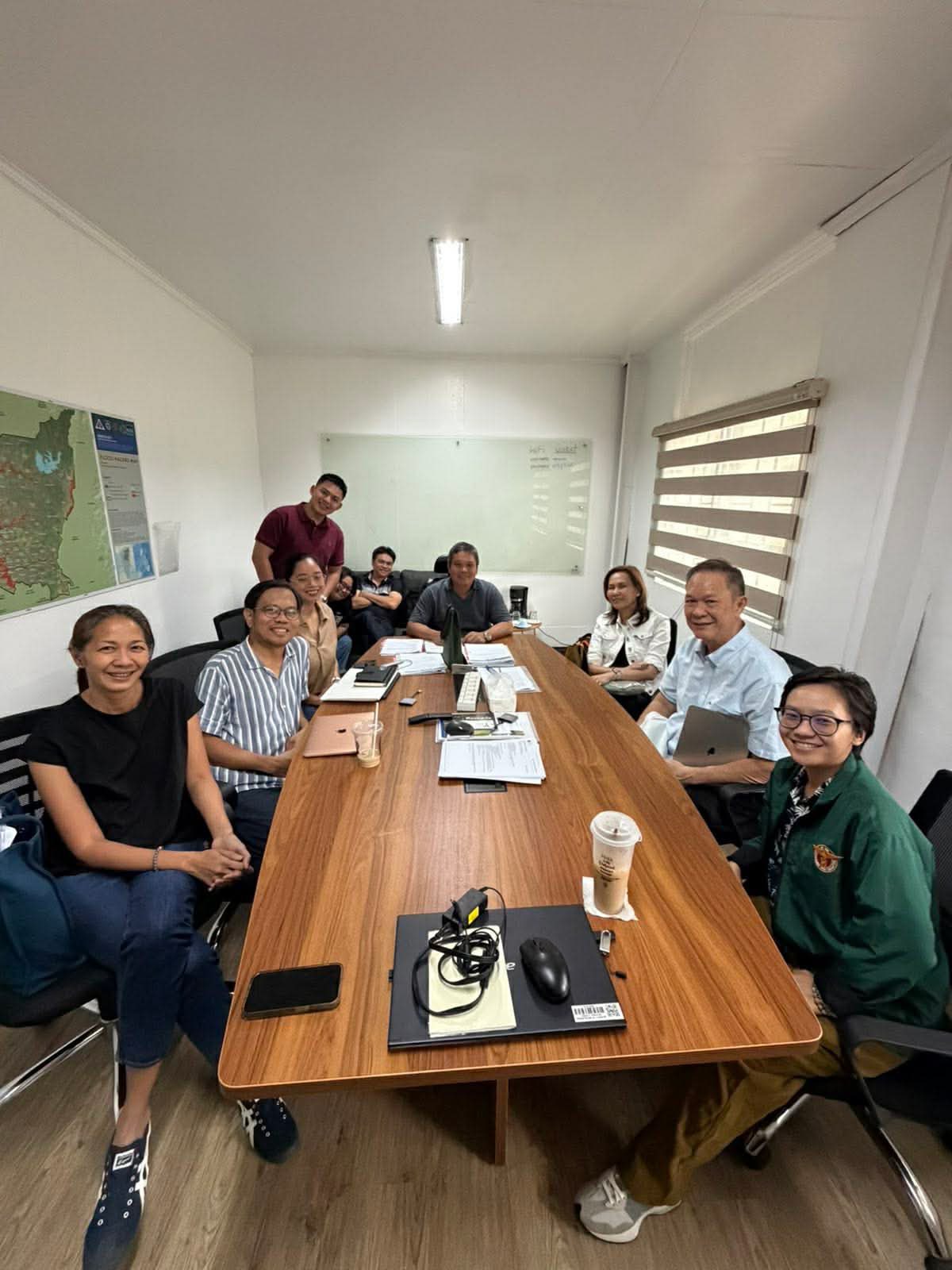
January 14, 2026 – Former Tarlac Governor and current Tarlac City Mayor Susan Areno Yap-Sulit visited the UP Resilience Institute (UPRI) for a meeting to discuss potential areas of collaboration on disaster preparedness. The discussion focused on strengthening partnerships between UPRI and the local government of Tarlac, with an emphasis on science-based and anticipatory approaches to disaster risk reduction and management (DRRM). Both parties explored ways to align UPRI’s research initiatives with the specific needs of local governments to support evidence-informed planning and decision-making.
During the meeting, Dr. Dj Darwin Bandoy, Director of the UPRI–Research and Creative Work Division, together with the UPRI team, committed to applying the BAHA Framework (Benchmarks for Anticipatory Health Action) to analyze Tarlac’s available data sets. The framework supports anticipatory and evidence-based decision-making by promoting early action to reduce potential health impacts and disaster effects before hazards escalate. Through this approach, UPRI aims to generate actionable insights that can strengthen local preparedness and response capacities.
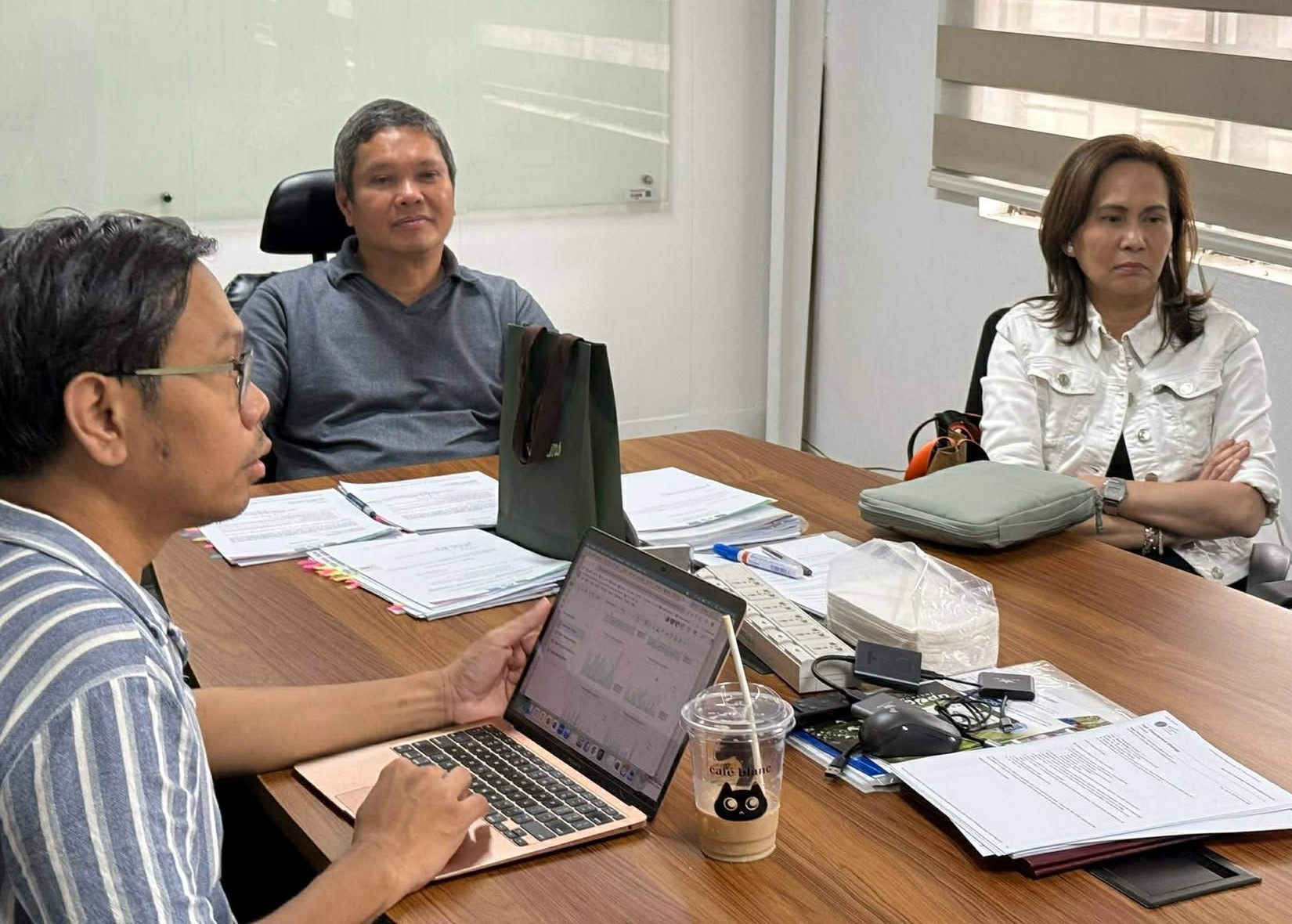
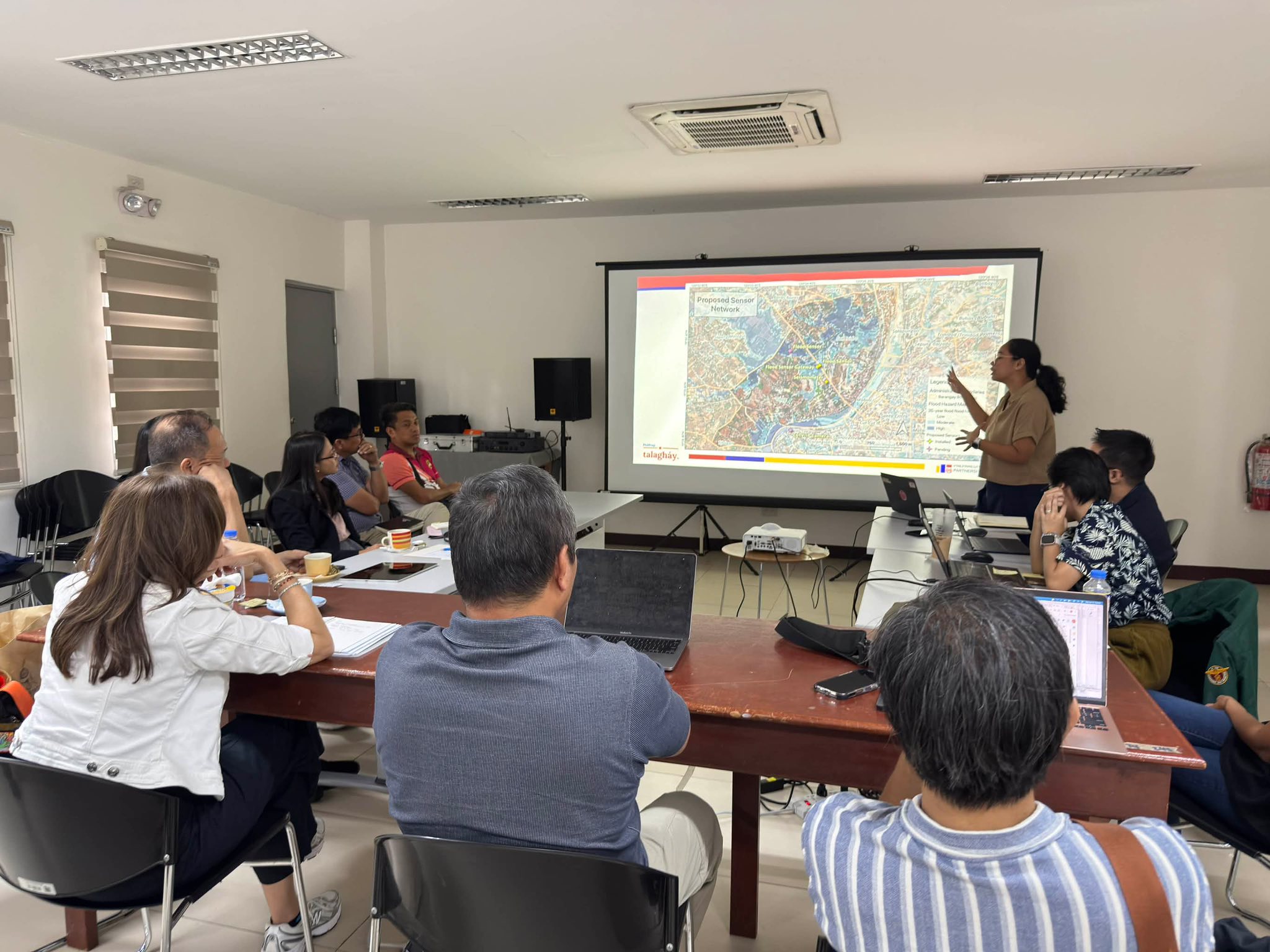
Photo courtesy of Dr. Mahar Lagmay’s Facebook post
On the same day, the UPRI Education Division team, led by Ms. Dainty Claire Rabang, Project Field Coordinator, presented its Barangay Early Warning System (BEWS), implemented as Project Talagháy, a collaborative initiative of the Education Division and the Philippine Preparedness Partnership (PhilPrep), to barangay stakeholders in Tarlac. Project Talagháy strengthens early warning and community preparedness by combining community-centered approaches with modern technology, including web-enabled Internet-of-Things (IoT) sensors for real-time data collection and transmission. The project also includes capacity-building activities, such as training on the Citizen Science Seismic Network and UP NOAH Center’s Impact-Based Forecasting Module, to help communities make timely, informed decisions during disasters.
PhilPrep brings together key partners across sectors, including the Philippine Disaster Resilience Foundation (PDRF) as secretariat and private sector representative, the Office of Civil Defense (OCD) for government, the Center for Disaster Preparedness for civil society, and UPRI as the academic pillar. Designed as a scalable “last-mile” model, the BEWS will be replicated by Tarlac via its Resilience Hub with support from UP RI–NOAH, Tarlac State University, and Tarlac Agricultural University, showcasing how technology, local engagement, and multi-sector collaboration can strengthen community-level disaster preparedness and resilience.
The visit highlighted the shared commitment of UPRI and the local government of Tarlac to advancing science-based and community-centered disaster preparedness initiatives. It reinforced the role of research and innovation in supporting effective DRRM. The collaboration aligns with national efforts to strengthen anticipatory action and early warning systems. These initiatives contribute to building safer and more resilient communities. The engagement reflects the public service mandate of the University of the Philippines.