
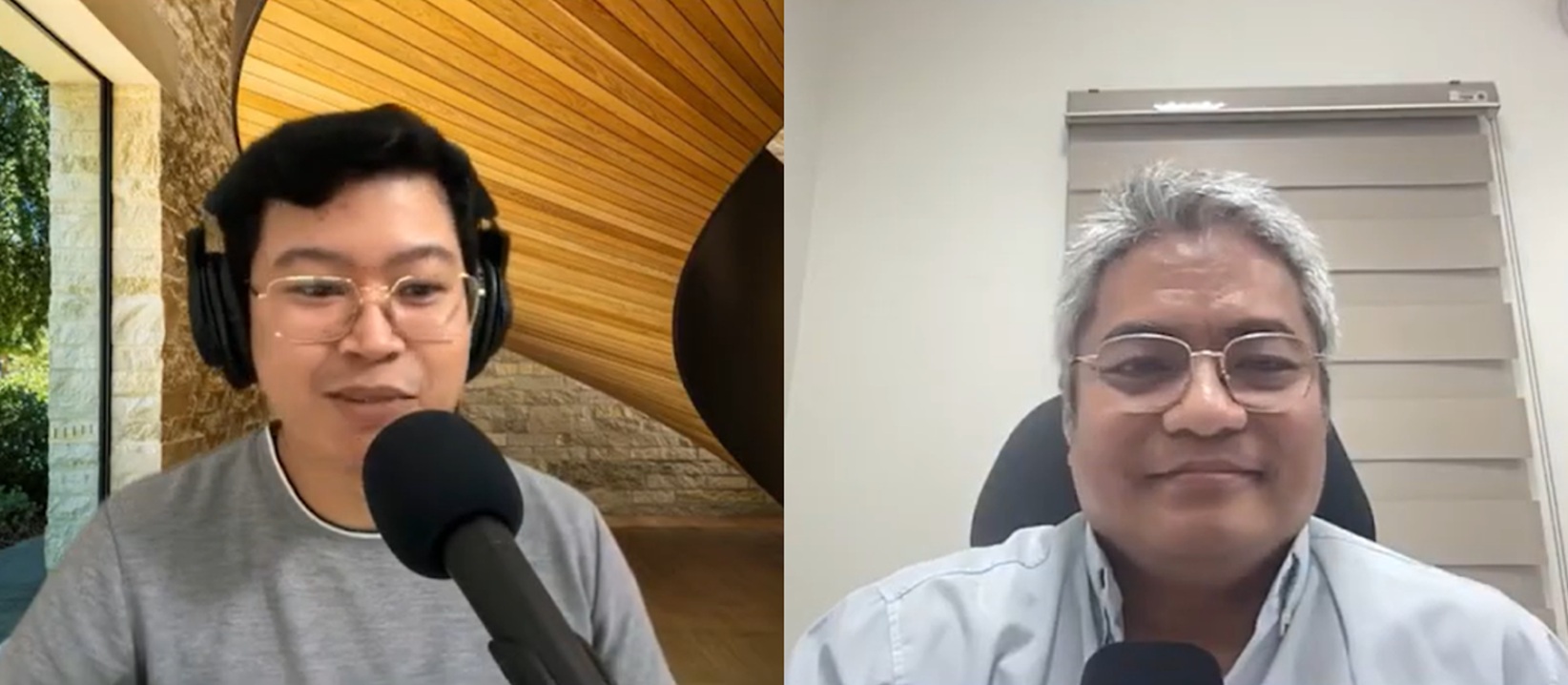
The growing number of disaster-related mass casualty incidents in the Philippines highlights the urgent need for updated and more effective approaches to disaster prevention, preparedness, response, and recovery. In the 89th episode of the Behind the Science Podcast Series, disaster medicine specialist Dr. Carlos Primero Gundran discussed persistent gaps observed in simulation drills conducted by emergency response teams across various government agencies in the National Capital Region.
Dr. Gundran noted that poor communication and coordination among institutions, misinformation, and responders lacking the necessary skills continue to hinder the effectiveness of simulation exercises. These issues ultimately affect the country’s overall disaster readiness. Since the implementation of Republic Act 10121, or the Philippine Disaster Risk Reduction and Management (DRRM) Act of 2010, disaster simulation drills have been a major initiative to strengthen preparedness. Given their continuous implementation, these drills require regular monitoring and evaluation to ensure alignment with the goals of the four DRRM-CCAM thematic pillars.
Through a simulation training needs assessment conducted with his research team, Dr. Gundran emphasized the importance of examining whether government agencies are adhering to established standards in conducting disaster response and recovery simulations. In the Philippine setting, emergency response teams are typically composed of units specializing in firefighting, medical response, evacuation, search and rescue, security, communication, and command coordination. However, he stressed that the effectiveness of these teams relies heavily on well-coordinated operations and adequately trained personnel—capabilities that appear to be lacking in several institutions within Metro Manila.
As Director for Institution Building at the UP Resilience Institute and Regional Coordinator of the Avoidable Deaths Network, Dr. Gundran advocates for capacitating agencies and communities through stronger institutional support, improved training, and access to essential resources. These, he noted, are key factors in building a more empowered and disaster-resilient society. He also shared the crucial distinction between disaster medicine and emergency medicine: while emergency medicine operates within structured systems with sufficient resources, disaster medicine involves responding to mass casualty incidents with severely limited supplies, requiring a different set of competencies and strategies.
Coming from a family of doctors and nurses, Dr. Gundran shared that his path toward becoming a disaster medicine specialist felt almost destined. He completed his undergraduate degree in Medical Technology and later his Doctor of Medicine degree at the University of Santo Tomas. Immersed early in public health and scientific disciplines, he eventually pursued specialization in disaster medicine, deepening his appreciation for the field and its vital role in saving lives during crises.
When asked what he hoped to impart to aspiring scientists and researchers, Dr. Gundran emphasized that the value of meaningful resilience studies does not end with publication. Their true impact begins when research is put into practice and felt by the communities and beneficiaries they aim to serve.
Youtube: bit.ly/btspodcast-yt
Spotify: bit.ly/btspodcast-spotify
Facebook: https://bit.ly/btspodcast-fb
Research Spotlight:
Gundran CPD, Lam HY, Tuazon ACA, Cleofas JV, Garcia FB, Puli TEM. 2023. Simulation Training Needs Assessment for Disaster Preparedness and Disaster Response among selected agencies in National Capital Region, Philippines. International Journal of Disaster Risk Reduction. 94(2023):103824. doi:10.1016/j.ijdrr.2023.103824. https://www.sciencedirect.com/science/article/pii/S2212420923003047
Do you want to nominate a scientist in the field of DRR and geosciences to be featured on the Behind the Science Podcast? Or, have you read an author’s publication whose behind-the-scenes story you are eager to hear about? Email us at upri.educ@up.edu.ph, and we will do our best to feature them on the BTS Podcast!