
According to an age-old belief rooted in a mix of folklore and Catholic influence, ang Unang Ulan ng Mayo, Agua de Mayo, or the rains of May, is said to hold healing powers that can cure illnesses, boost the immune system, and keep people healthy all year. The rain is also said to smoothen the skin and soften the hair. For farming communities, its arrival meant something more grounded: rain in May signaled the start of the wet season and the promise of a good harvest. But in the Philippines of today, what does Agua de Mayo actually bring?
The answer is more complicated than our elders’ stories suggest. The gentle rain once believed to bring healing has become a seasonal warning. As rain pours over crowded streets and narrow waterways, floodwaters slowly creep into vulnerable communities—driven not only by nature, but also by human neglect. Poor drainage systems, obstructed waterways, and unchecked urbanization worsen the flooding. The unang ulan ng Mayo has become, in a way, an informal start-of-season warning that many communities feel before any official flood advisory is issued.
In Metro Manila, the first major rains of the month flooded several areas across the metropolis, exposing remaining weaknesses in its flood control systems. Davao City also experienced heavy rains on the night of May 19, which submerged at least seven barangays, collapsed the Callawa Bridge, killed one person, and displaced over 1,400 individuals (SunStar Davao, 2026).
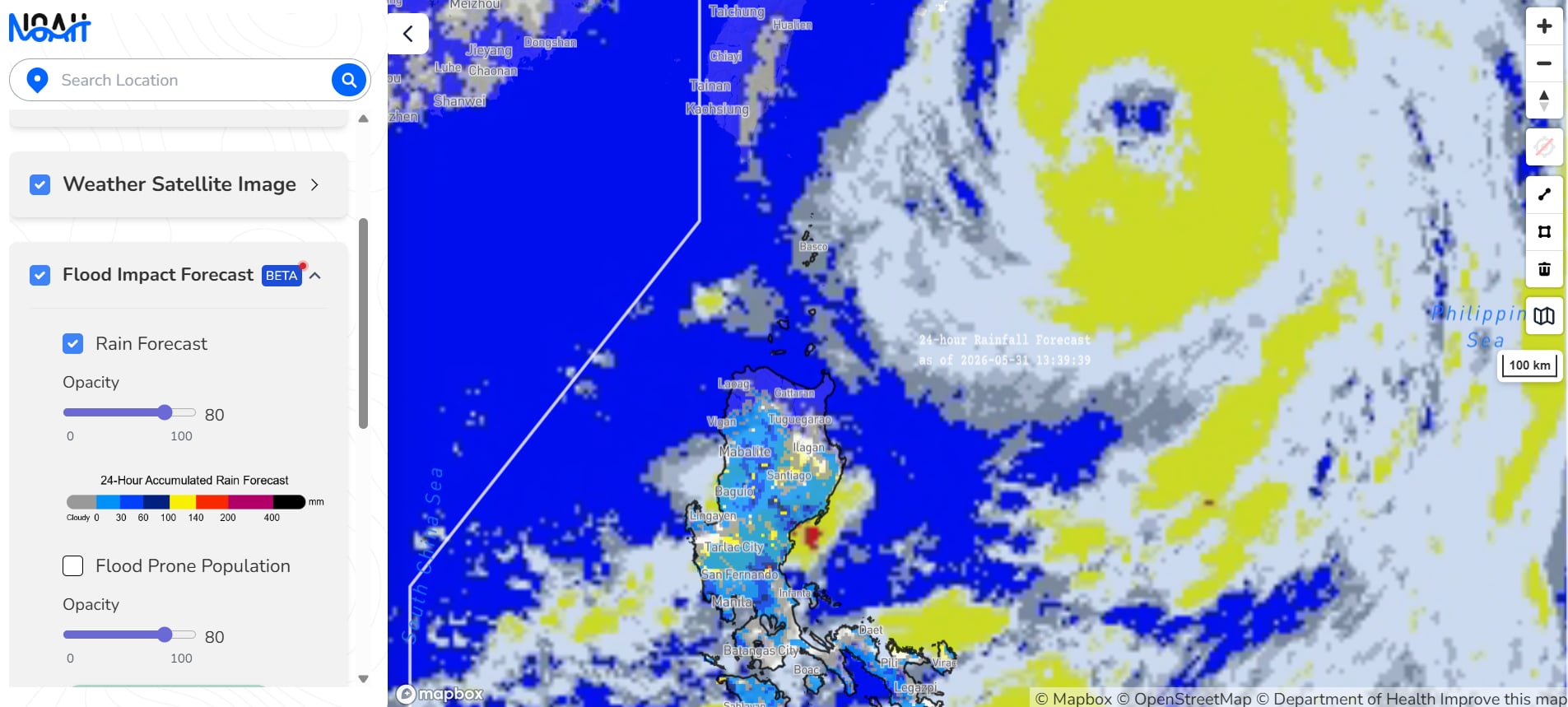
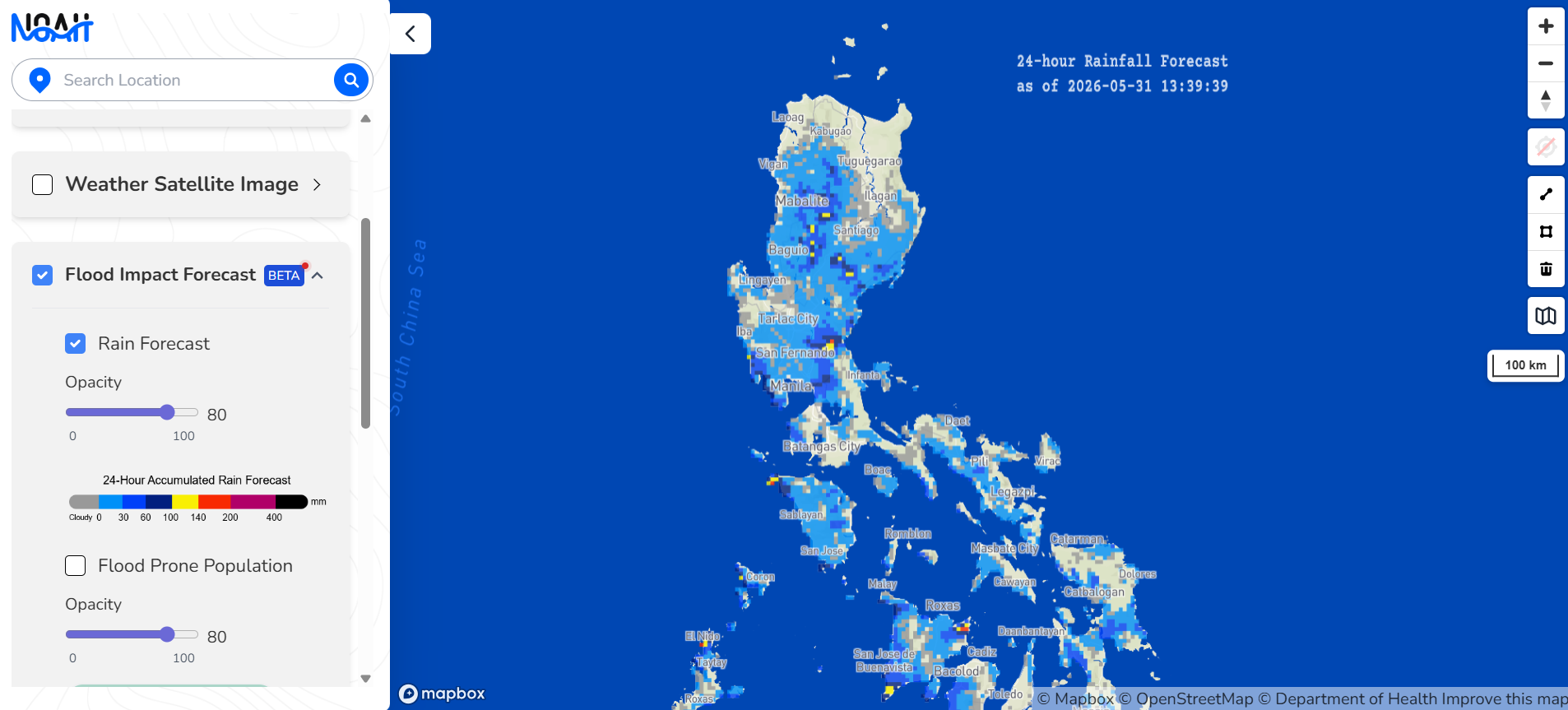 These events are a reminder that awareness and preparedness are not optional. Knowing your community and recognizing the risks is the first step toward preparedness. This is one of the goals of the UP NOAH Center. Through the coordinated work of its Flood Modeling Component, Hazard Assessment Team, Planning Component, and the WebGIS team, NOAH presents scientific, location-specific hazard data that is accessible to the public via browser and mobile app (check the links below).
https://noah.up.edu.ph/
https://noah.up.edu.ph/noah-studio
https://resilience.up.edu.ph/noah-is-now-available-on-android/
https://www.facebook.com/share/p/18p54pnUYy/
What is worth reflecting on, however, is that this kind of awareness is not entirely new. The kasabihan and the paniniwala surrounding the unang ulan ng Mayo are, at their core, an early warning system that has been passed down through generations, grounded in direct environmental observation and calibrated to the lived experiences of the community. When elders recall which part of their barangays flooded first, or how high the water rose during a storm, they are doing something fundamentally similar to what UP NOAH does: mapping, interpreting, and transmitting hazard information. Folk knowledge and science-based data are not in competition. At their best, they are in conversation, and listening to both makes us more prepared.
***This short article is co-written and prepared by 2026 FMC interns Gavrie Aquino, Lian Nicoli Paulo, and Meriah Lagan