
by: Gereka Marie N. Garcia
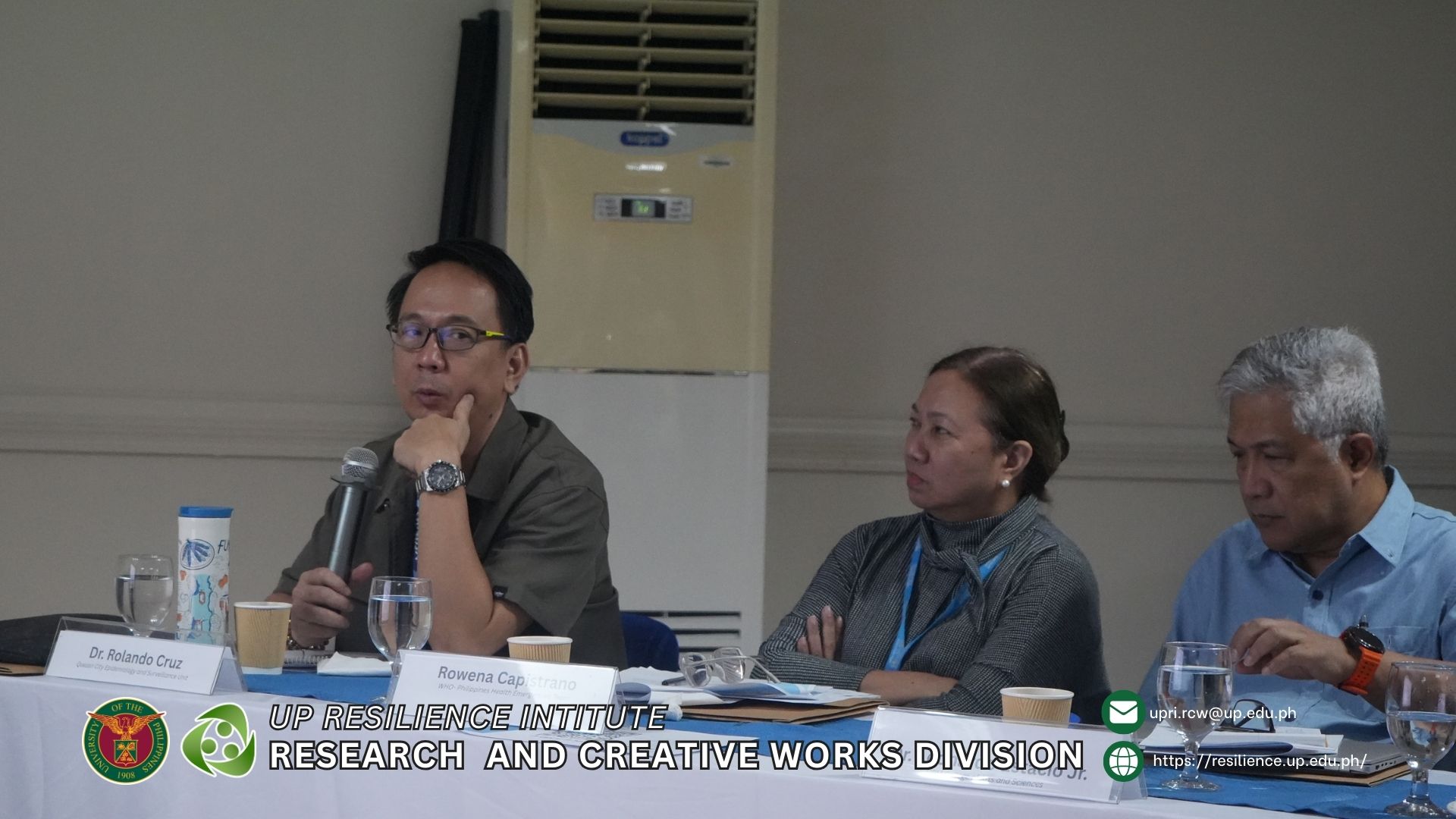
On November 21, 2025 in Quezon City, UPRI-Research and Creative Work Division convened a multisector panel of experts to confront the escalating threat of climate-driven dengue outbreaks, bringing together national leaders to craft anticipatory, science-based policies through a structured Delphi process.
Designed to strengthen climate-informed and anticipatory dengue governance at the national level, the forum brought together representatives from academia, public health, disaster risk reduction, and local government to assess policy gaps and co-develop future-ready strategies.
Supported by the U.S. National Institute of Environmental Health Sciences, the CORD Project is a global research consortium linking universities across climate-vulnerable regions in Asia and Africa. In the Philippines, UPRI’s CORD team aims to integrate climate-health research with on-the-ground governance, enabling evidence-based anticipatory action to address persistent dengue risks.
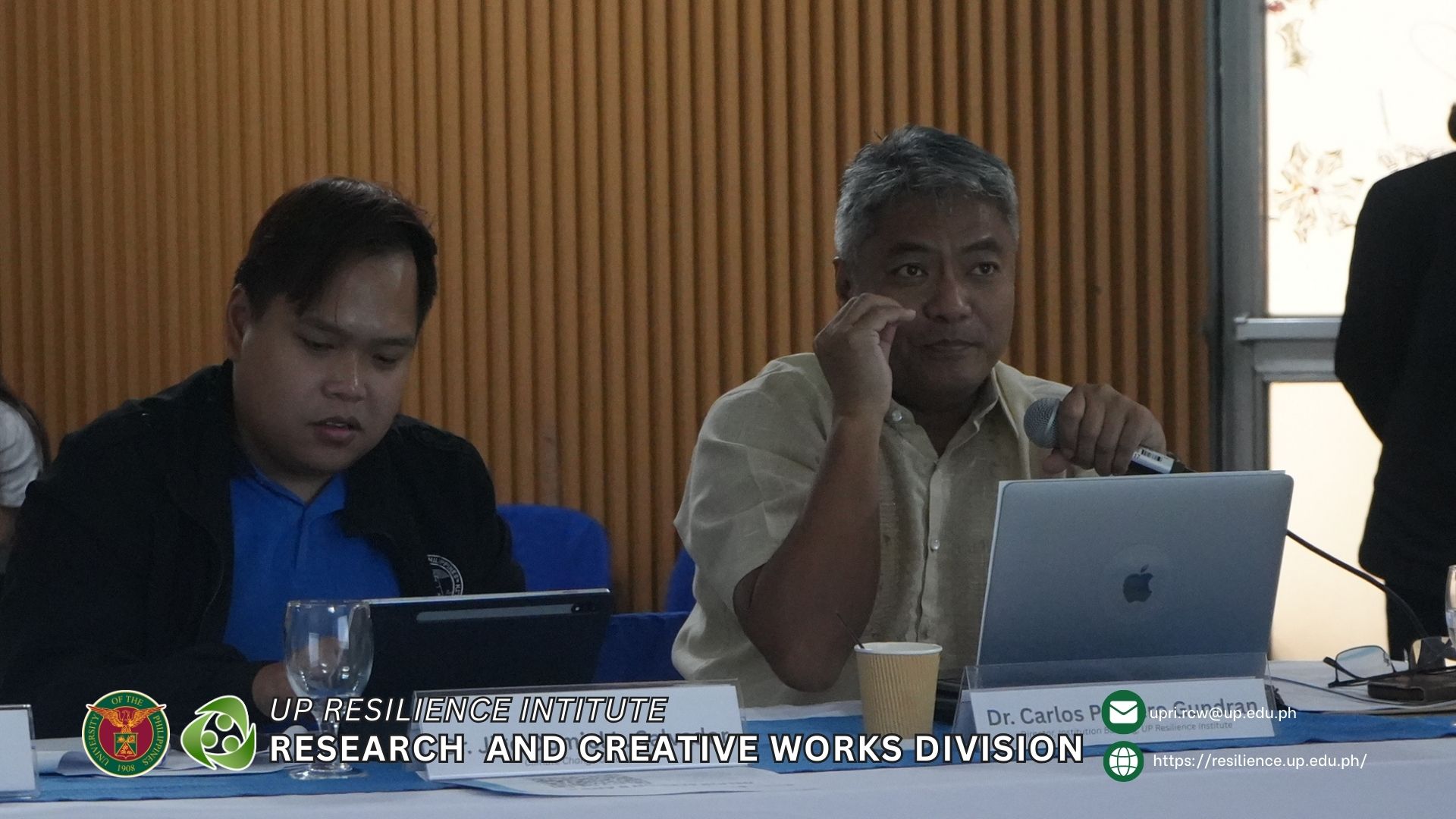
From the academe, the discussions were anchored by leading experts including Dr. Carlos Primero Gundran, DRRM-H Program Chair at the College of Public Health, UP Manila, and newly inducted Regional Coordinator of the Avoidable Deaths Network (ADN); Dr. DJ Darwin Bandoy of the UPLB Department of Veterinary Paraclinical Sciences; and Dr. Leonardo Estacio Jr. of the UP Manila College of Arts and Sciences.
Government contributions came from key offices directly involved in dengue surveillance and climate–health policy, notably Dr. Rolando Cruz, head of the Quezon City Epidemiology and Surveillance Unit, and Dr. Jigo Salvador of the Department of Health’s Climate Change Office.
Representing the international community, Rowena Capistrano participated on behalf of the World Health Organization (WHO) Philippines, providing insights from global health and One Health perspectives. The session was facilitated by Dr. Ebinezer Florano of the UP National College of Public Administration and Governance, who guided the multi-round deliberative process.
A National Conversation on Dengue Challenges
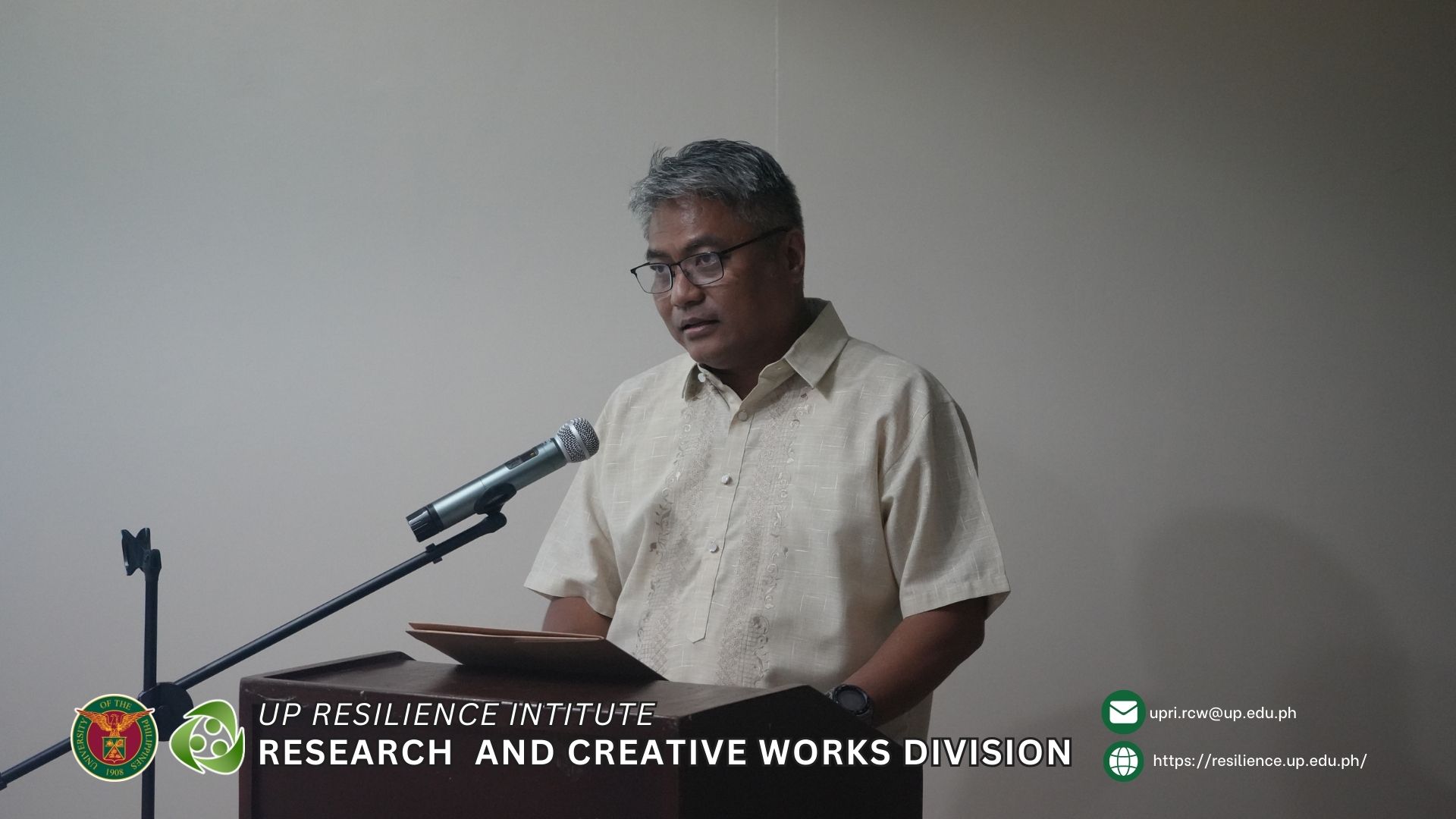
In his opening remarks, Co-Principal Investigator Dr. Carlos Primero Gundran underscored how extreme weather events, such as the August 30 rainfall cloudburst, continue to influence dengue case surges. He emphasized the rising urgency of climate-sensitive health planning and the need for preventive measures that reflect the country’s shifting climatic realities.
UPRI-RCW Chief Dennis de la Torre followed with an overview of recurring governance, resource, and coordination gaps in dengue response, setting the stage for a structured and evidence-based appraisal of the country’s current dengue prevention ecosystem.
Insights From Round 1: Revealing Gaps in the National Framework
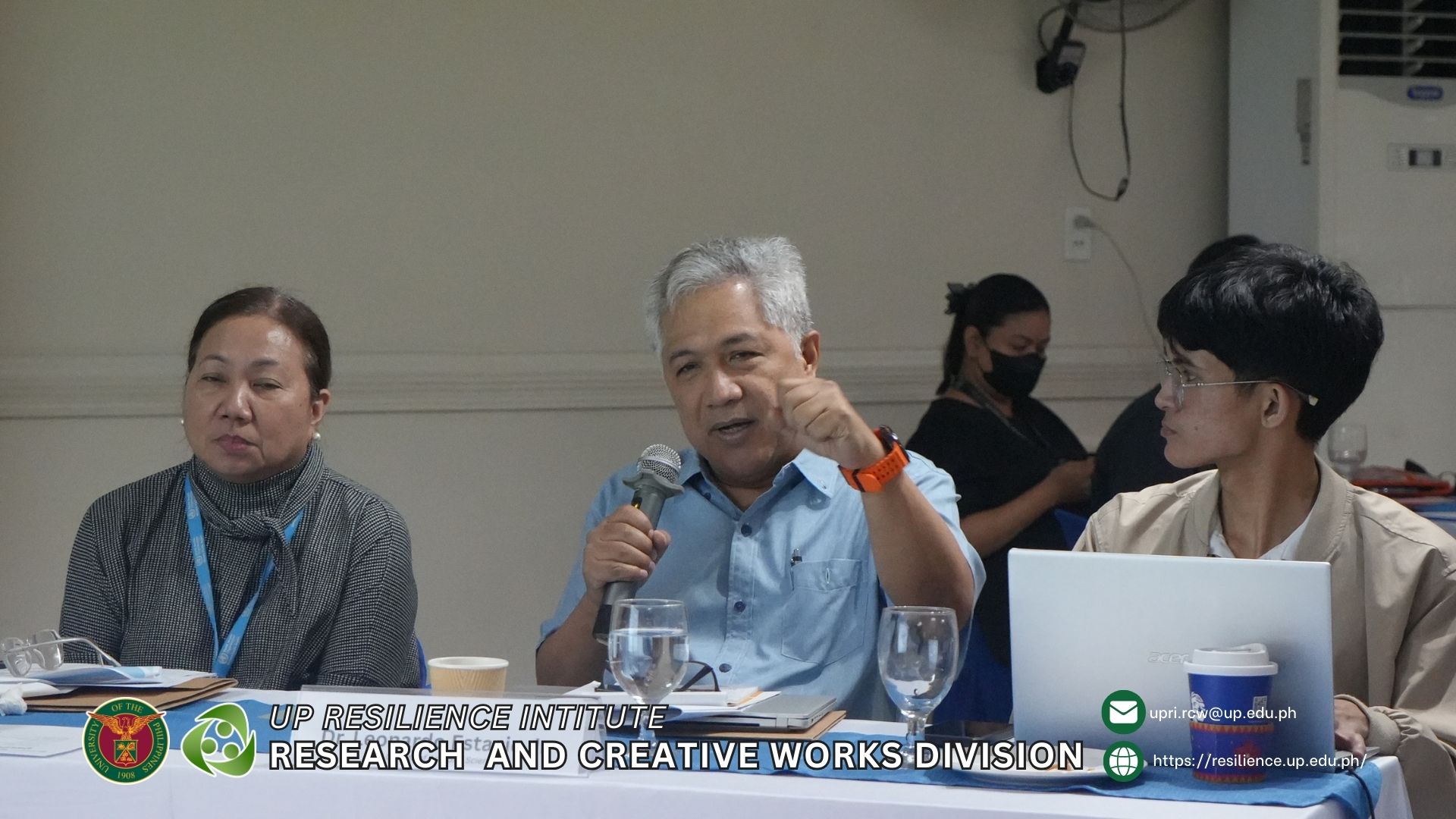
Experts at the UPRI-RCW Deliberative Policy Delphi Forum warned that dengue prevention in the Philippines remains largely reactive, despite growing evidence that climate data could guide anticipatory interventions. Panelists highlighted gaps in the National Aedes-Borne Viral Diseases Prevention and Control Program (NAVDPCP), including fragmented surveillance, limited human resources, and underused meteorological and temperature data.
Speakers stressed that rainfall and temperature thresholds, integrated with epidemiological and entomological data, could provide early warnings months in advance. Dr. Rolando Cruz of the Quezon City Epidemiology and Surveillance Unit explained that while local surveillance systems exist, the translation of data into actionable local policies remains limited ”Surveillance data exist, but interpretation often does not reach local policymakers in a way that enables proactive action.”
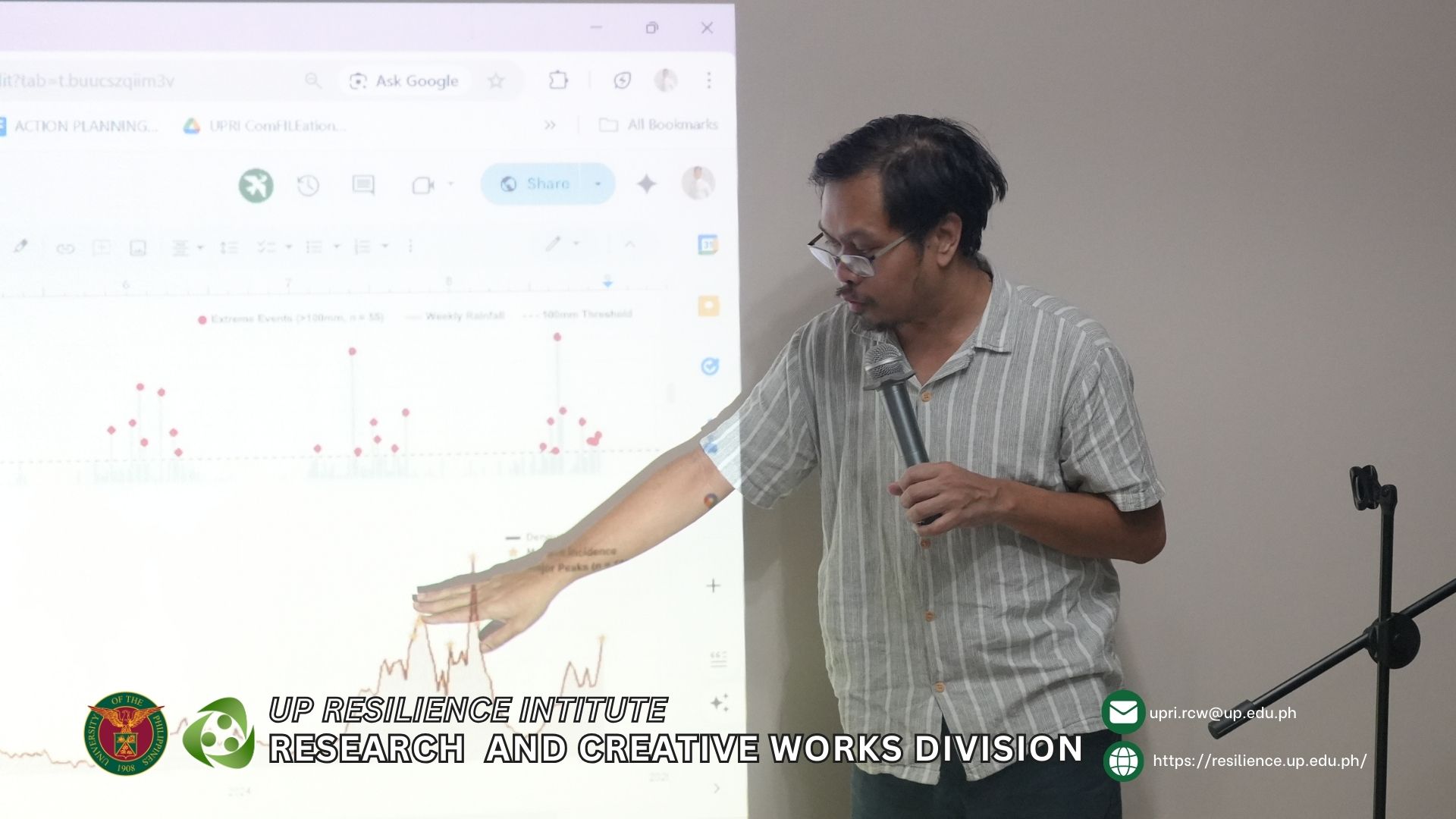
Experts further emphasize combining predictive modeling with behavioral insights, “We need numerical triggers and historical trends to guide vector control,” said Dr. DJ Darwin Bandoy of UPLB.
Dr. Leonardo Estacio of UP Manila added, “Mixed-methods research allows us to anticipate outbreaks while addressing human behavior. Otherwise, all the data in the world won’t prevent dengue.”
The forum concluded that linking climate-informed triggers to larviciding, adulticiding, and chemical interventions – combined with open data and stronger coordination between national agencies, LGUs, and international partners – is critical to prevent future dengue outbreaks.
Prioritizing Policy Innovations: Results of Rounds 2 and 3
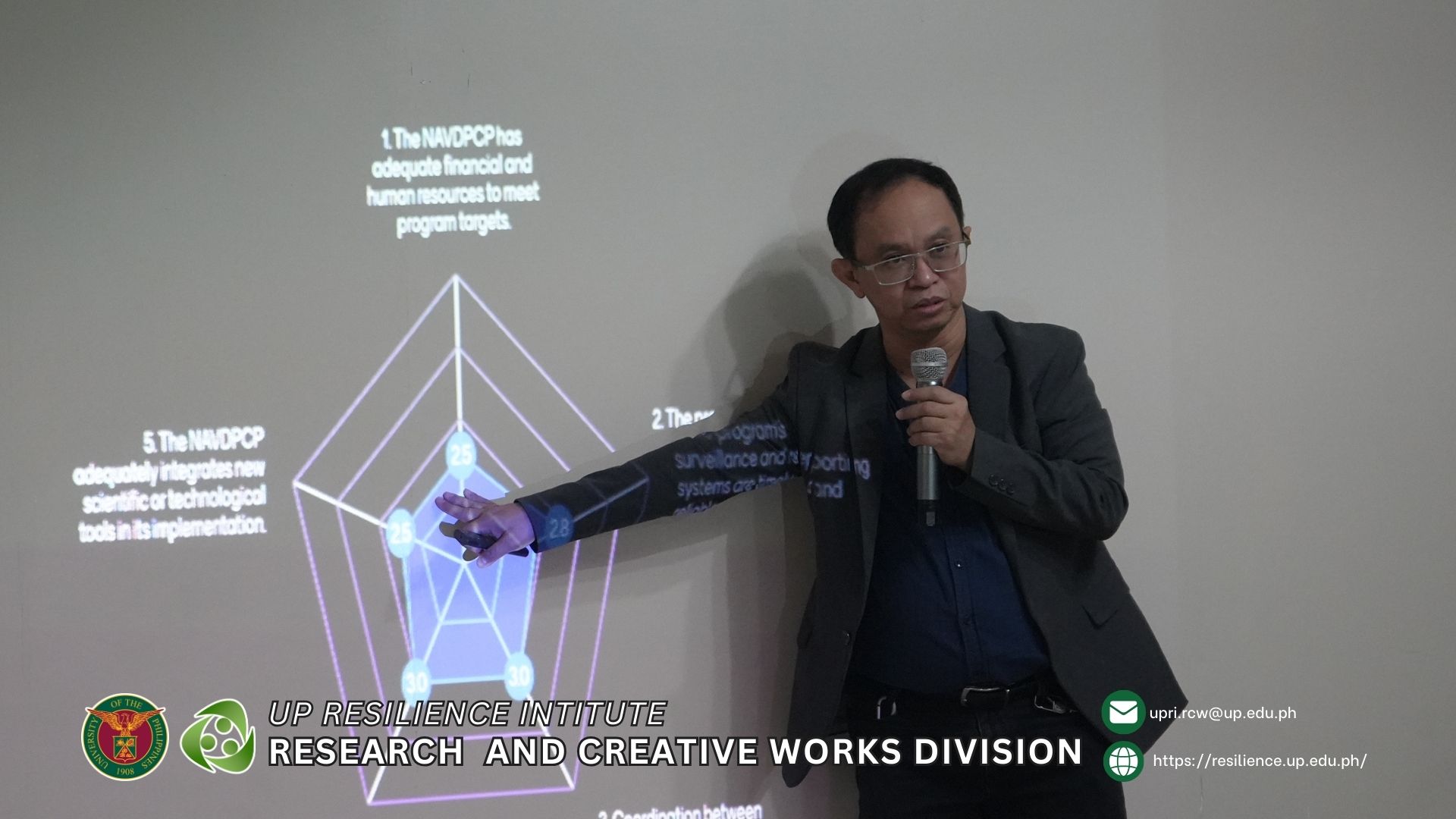
During the succeeding rounds, participants evaluated five policy strategies through a structured desirability–feasibility scoring process. All strategies garnered strong support, particularly the following:
National Open “Dengue Data Lab” and Data-Sharing Policy. Participants regarded this as essential for bridging national-to-local gaps in data access, surveillance, and predictive modeling. The proposed lab would unify epidemiological, entomological, environmental, and climate data, creating a foundation for science-based decision-making.
Predictive Modeling and Early Warning Integration into NAVDPCP. The panel endorsed integrating rainfall-based triggers, and climate-health forecasting tools into national policy to support anticipatory outbreak declarations.
Institutionalizing Risk Communication and Community Engagement (RCCE). Participants emphasized the need for sustained, year-round community engagement and behavior-centered communication that goes beyond seasonal campaigns.
Anticipatory Health Financing and Readiness Framework. Experts stressed the importance of linking dengue preparedness with climate financing mechanisms such as the Green Climate Fund and the People’s Survival Fund, allowing LGUs to take pre-impact action during high-risk seasons.
Supporting LGUs in Extreme Weather–Dengue Response and Climate Alignment. Participants highlighted the need for more coherent national guidance that helps LGUs incorporate dengue risks into Local Climate Change Action Plans (LCCAPs) and align outbreak thresholds with climate indicators.
Across all strategies, stakeholders underscored the need to strengthen accountability mechanisms, clarify institutional roles, and build the technical capacity of local implementers, especially barangay health workers who often face heavy workloads with limited resources.
Moving Toward a Climate-Informed, Data-Driven Policy Framework
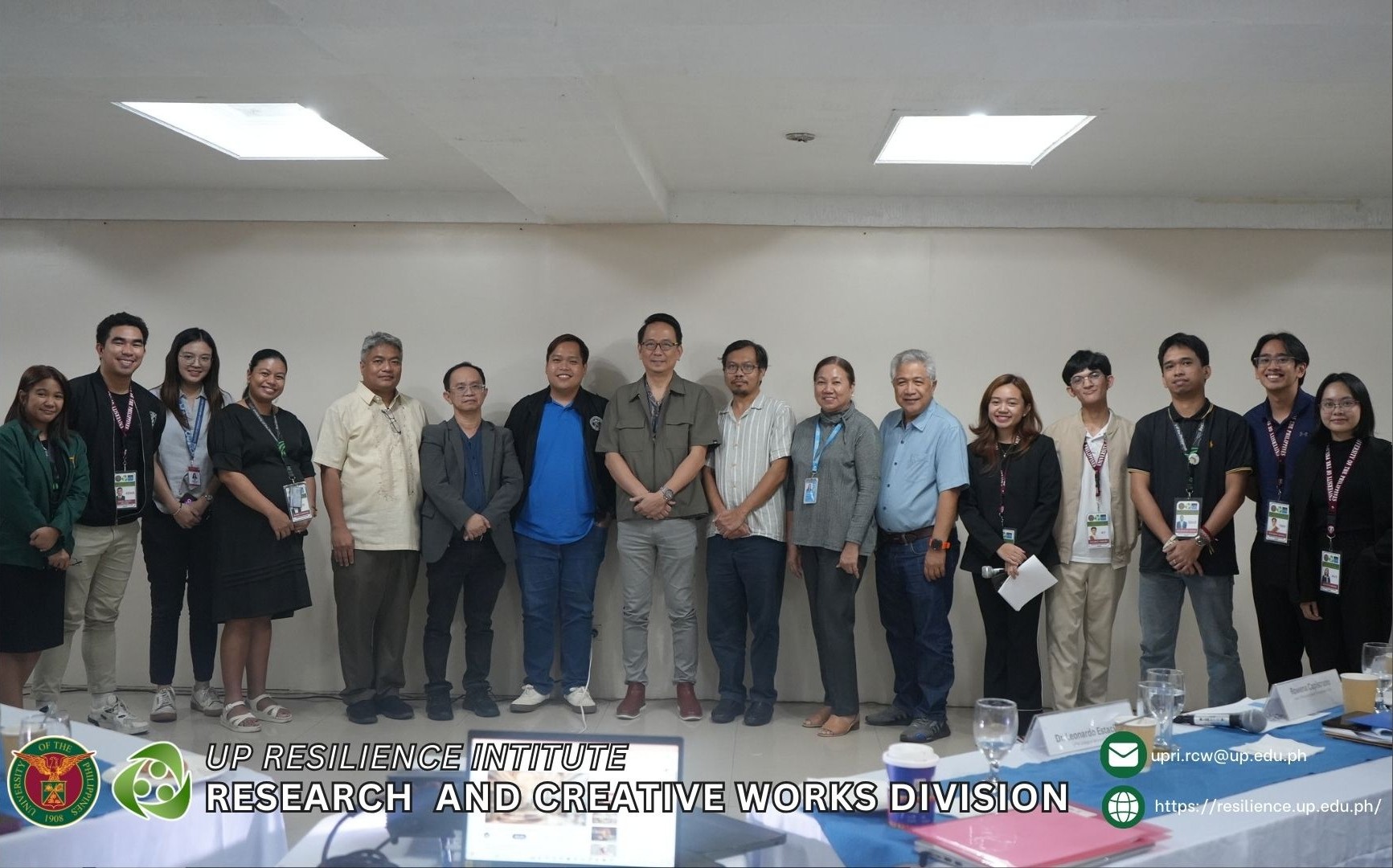
Facilitated by the UPRI-RCW team, Dennis de la Torre, Klara B. Bilbao, Aira Joy C. Delos Angeles, Keanu John Pelitro, Troy Owen P. Matavia, Gereka Marie N. Garcia, Julia Fye S. Manzano, and Kylone Soriano, the multi-round forum guided deliberations that translated local data, field insights, and global frameworks into actionable recommendations.
From these discussions, the team was able to draft two policy papers: Transmission Susceptibility among School-Aged Children: Policy Recommendations for Anticipatory Action in Public Schools and Policy Note on Anticipatory Action for Dengue Outbreak Prevention.
As part of UPRI’s mandate to co-produce knowledge with local actors, the CORD Project will continue working with national agencies, local governments, and community partners to refine the decision-support tool and advance actionable reforms for anticipatory dengue governance.