
by: Aira Joy Delos Angeles and Dr. Darwin Bandoy
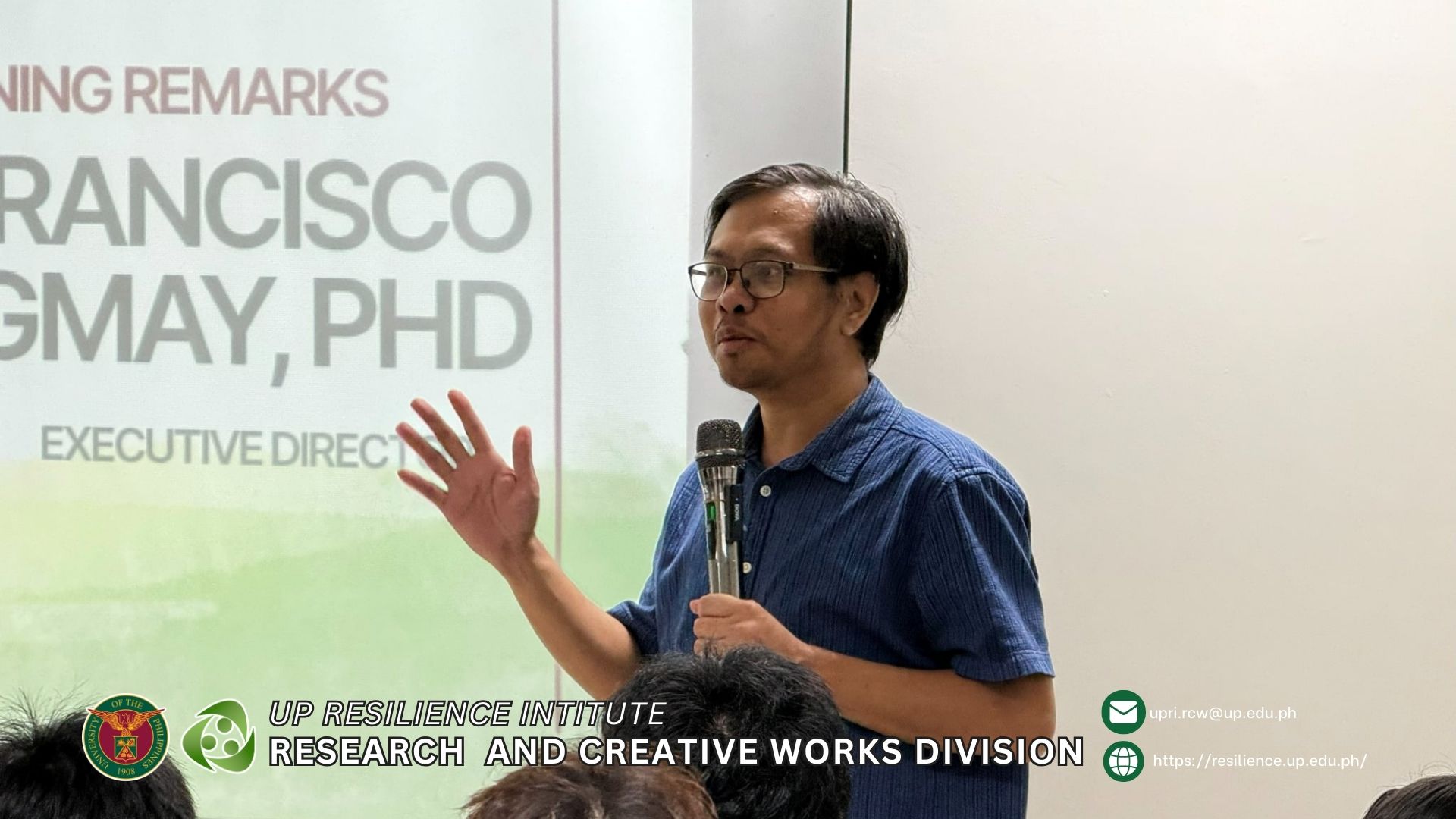
November 29, 2025 — Quezon City, Philippines. Thirty-five delegates from the Association of Pacific Rim Universities (APRU) visited the UP Resilience Institute (UPRI) as part of the 20th APRU Multi-Hazards Symposium and Conference 2025 (APRU-MH20), themed “Resilience Reviews and Projections: Multi-Hazard Entanglements of Society, Environment, and Technology in Space, Time, and Place.” The visit allowed delegates to observe ongoing resilience research in the Philippines and explore areas for collaboration. The program began with brief presentations from UPRI’s divisions—Institution Building, Education, Knowledge Sharing, Research and Creative Work, and the NOAH Center. These presentations highlighted initiatives in disaster science, community resilience, and public health forecasting, setting the stage for UPRI’s interdisciplinary approach to resilience.
The Association of Pacific Rim Universities (APRU) is a network of leading research universities spanning the Pacific Rim. It promotes collaboration on critical global issues through research partnerships, academic exchanges, and policy engagement. The consortium focuses on topics such as disaster risk reduction, health, sustainability, technology, and inclusive development. Its Multi-Hazards Program is among its flagship initiatives and fosters knowledge exchange on disaster preparedness and resilience. Through these programs, APRU strengthens cooperation among universities to address shared risks across the region.
A central highlight of the visit was the presentation delivered by Dr. Dj Darwin Bandoy, Director of the Research and Creative Work (RCW) Division of UPRI. In his talk, Dr. Bandoy discussed the Philippines’ ongoing struggle with dengue and its significant impact on public health systems. He explained why the country is widely recognized as the global epicenter of dengue cases and mortalities. Dr. Bandoy emphasized that the hyperendemic context in the Philippines leads to frequent outbreaks across multiple regions. He also highlighted genomic findings showing how dengue strains emerging in the country are seeded internationally, shaping regional transmission dynamics.
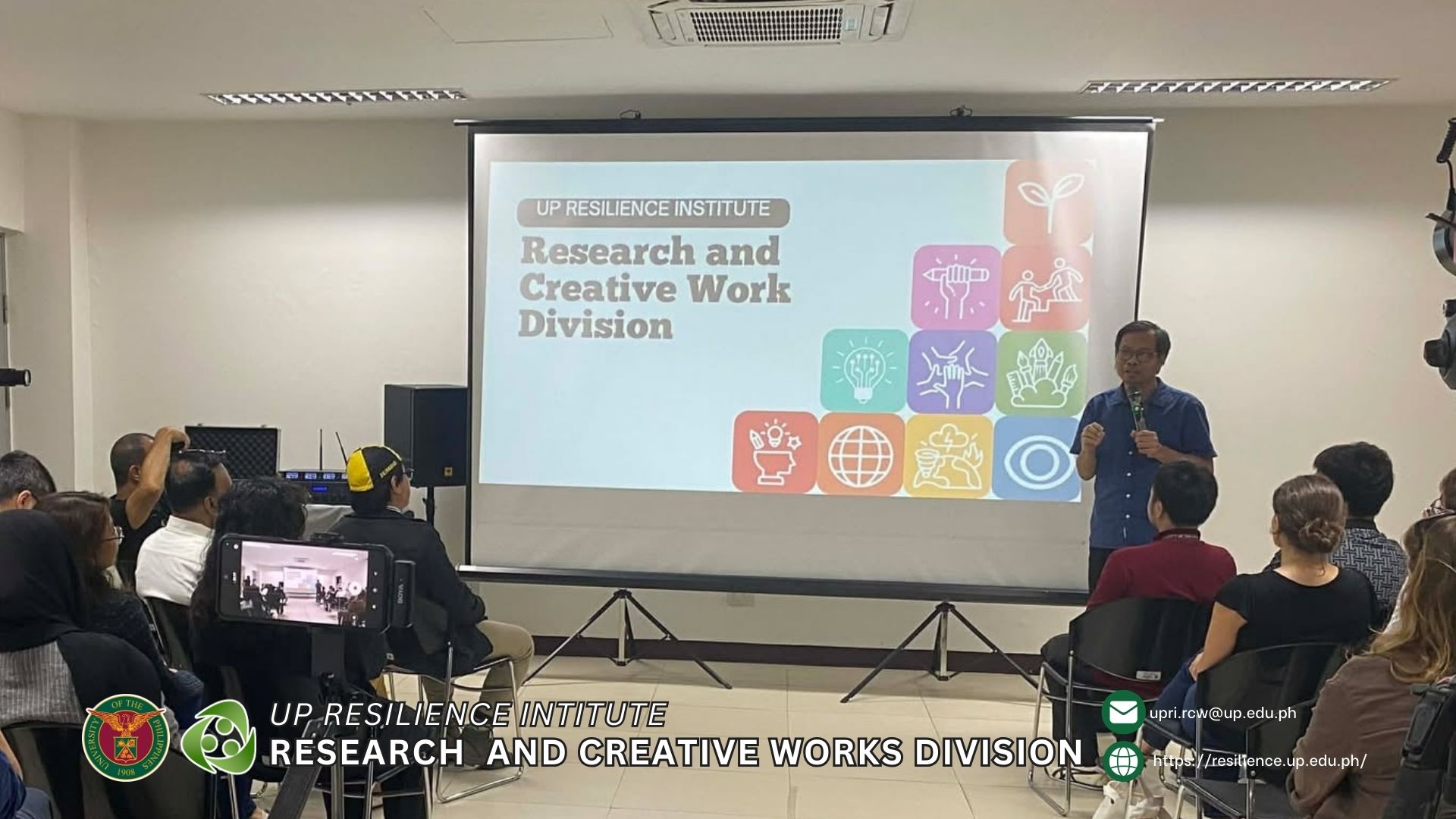
Drawing from UPRI’s applied research and the legacy of Project NOAH, Dr. Bandoy presented the institute’s development of data-driven rainfall thresholds for dengue prediction. These thresholds aim to anticipate dengue outbreaks before they occur and support anticipatory public health action. He described how UPRI integrates climate data, epidemiological evidence, and community-based insights to refine early warning indicators. The research presented by Dr. Bandoy is part of UPRI-RCW’s ongoing work with the CORD Project. He concluded his presentation with confidence: “We think we cracked it.”
The CORD Project (Center for Climate and Health Global Research on Disasters) is a collaborative initiative involving seven universities from climate-vulnerable regions in Africa and Asia, coordinated by Tufts University in the United States. CORD builds research infrastructure, develops case studies, and strengthens anticipatory action for climate-sensitive health risks. Its work aims to protect health, advance health equity, and enhance community resilience in the face of climate-related hazards. The project works closely with practitioners, policymakers, and local communities to address health impacts, particularly in under-researched and high-risk areas of the Global South. Through RCW, UPRI applies CORD’s framework to integrate climate science, epidemiology, and community-based approaches into actionable strategies for resilience.
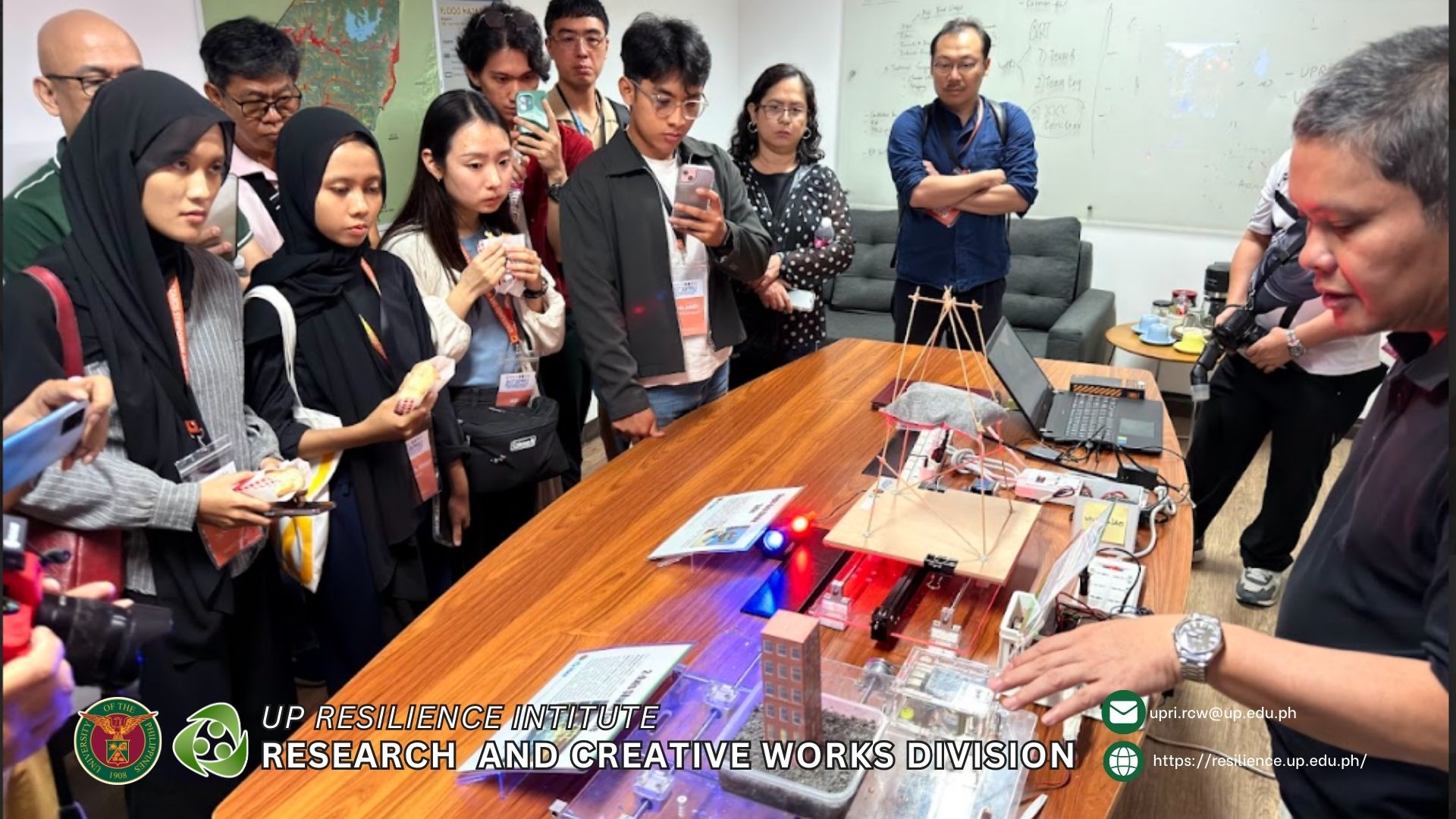
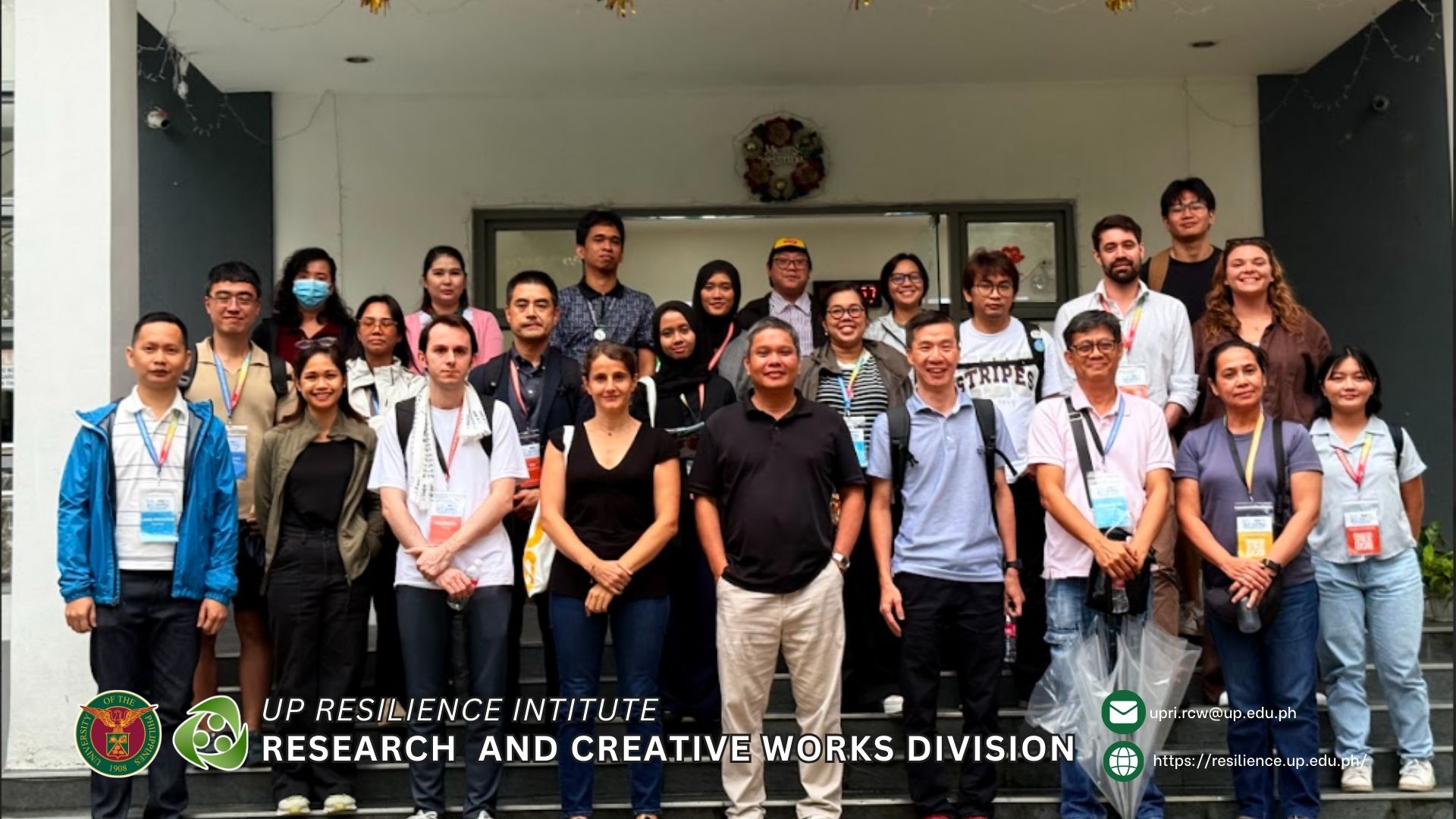
During the visit, APRU delegates toured UPRI’s facilities and engaged with researchers from different divisions. They observed how science-driven tools are being applied to address multi-hazard challenges in the Philippines. Conversations throughout the visit underscored the importance of interdisciplinary collaboration for advancing resilience research. Delegates also learned how UPRI integrates technology, policy analysis, and community engagement to support its programs. The visit strengthened ongoing partnerships between UPRI and APRU member institutions, reaffirming shared commitments to resilience across the Pacific Rim.