
Written by: NOAH Hazard Assessment Team and Aris Castro of Volcano-Tectonics Lab, UP NIGS
Members of the UP National Institute of Geological Sciences (UP-NIGS), together with UPRI-NOAH researchers Marc Forneste and Luis Rentoza, conducted a week-long fieldwork in Buenavista, Marinduque from July 12 to 18, 2026. The activity focused on investigating the geology of Mt. Malindig and its surrounding areas through field observations and geological mapping. The investigation sought to document local rock formations, geologic structures, and landforms that may provide insights into the area’s geological processes and potential geohazards. The resulting observations are intended to support hazard assessment efforts by improving the understanding of local geological conditions and their implications for community safety and disaster risk reduction.
Mt. Malindig, a potentially active stratovolcano, offers a valuable natural setting for geological studies due to its volcanic deposits and geomorphological features. Throughout the fieldwork, the team examined multiple outcrops across key locations, including Malbog, Sihi, Caigangan, Bagtingon, and Bicas-Bicas in Buenavista, as well as Malibago in the neighboring municipality of Torrijos.
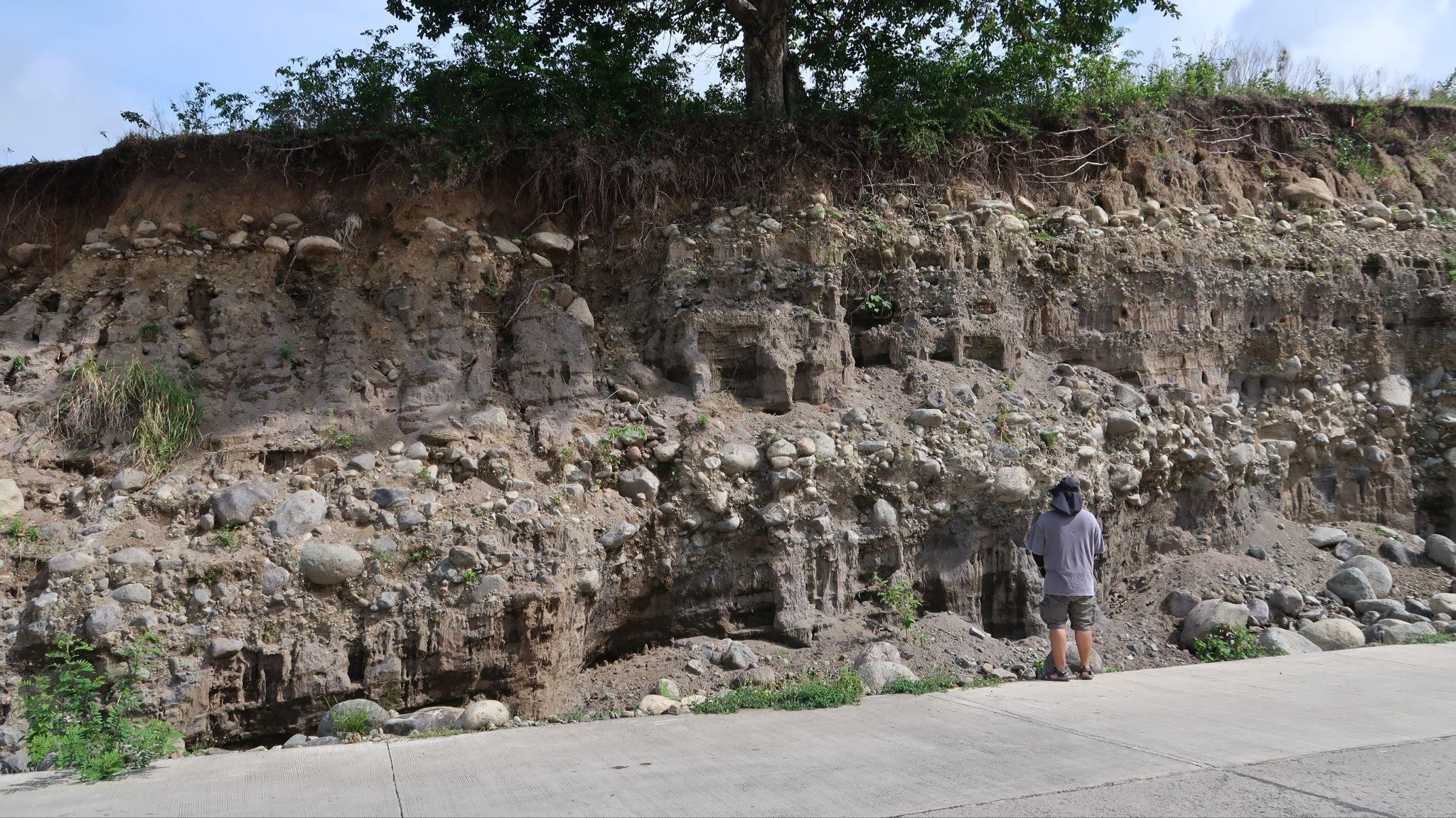
The team carried out detailed analyses of these outcrops to better understand the sequence and history of rock deposition in the area. A key component of the fieldwork involved determining the nature and origin of rock materials in Haynon Hills, as well as in other areas suspected to be debris avalanche deposits, in order to clarify the processes that shaped the present landscape. During one of the fieldwork days, the team was guided by the barangay captain to the Malbog Hot Springs, where they gained valuable insight into the presence of geothermal activity in the area. The occurrence of these hot springs suggests a possible subsurface heat source, further supporting the classification of Mt. Malindig as a potentially active volcano. In addition, the team validated previously identified lineaments and existing fault maps to refine interpretations of the region’s structural framework, contributing to a more comprehensive understanding of the geologic and tectonic evolution of Mt. Malindig.
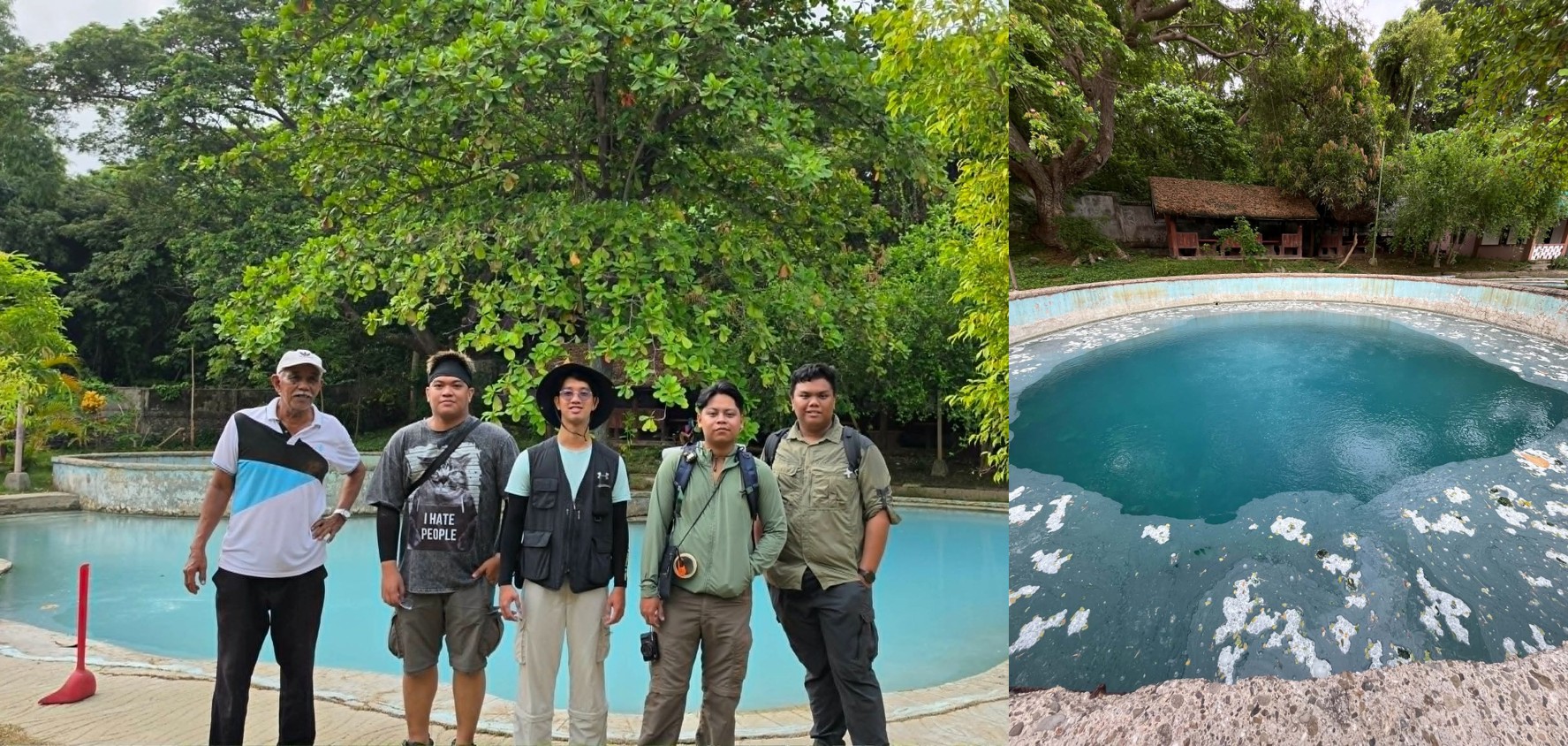
The success of the fieldwork was made possible through the support and cooperation of the local government of Buenavista and its constituent barangays. Their assistance ensured that field activities were conducted safely, efficiently, and with respect for the local community.
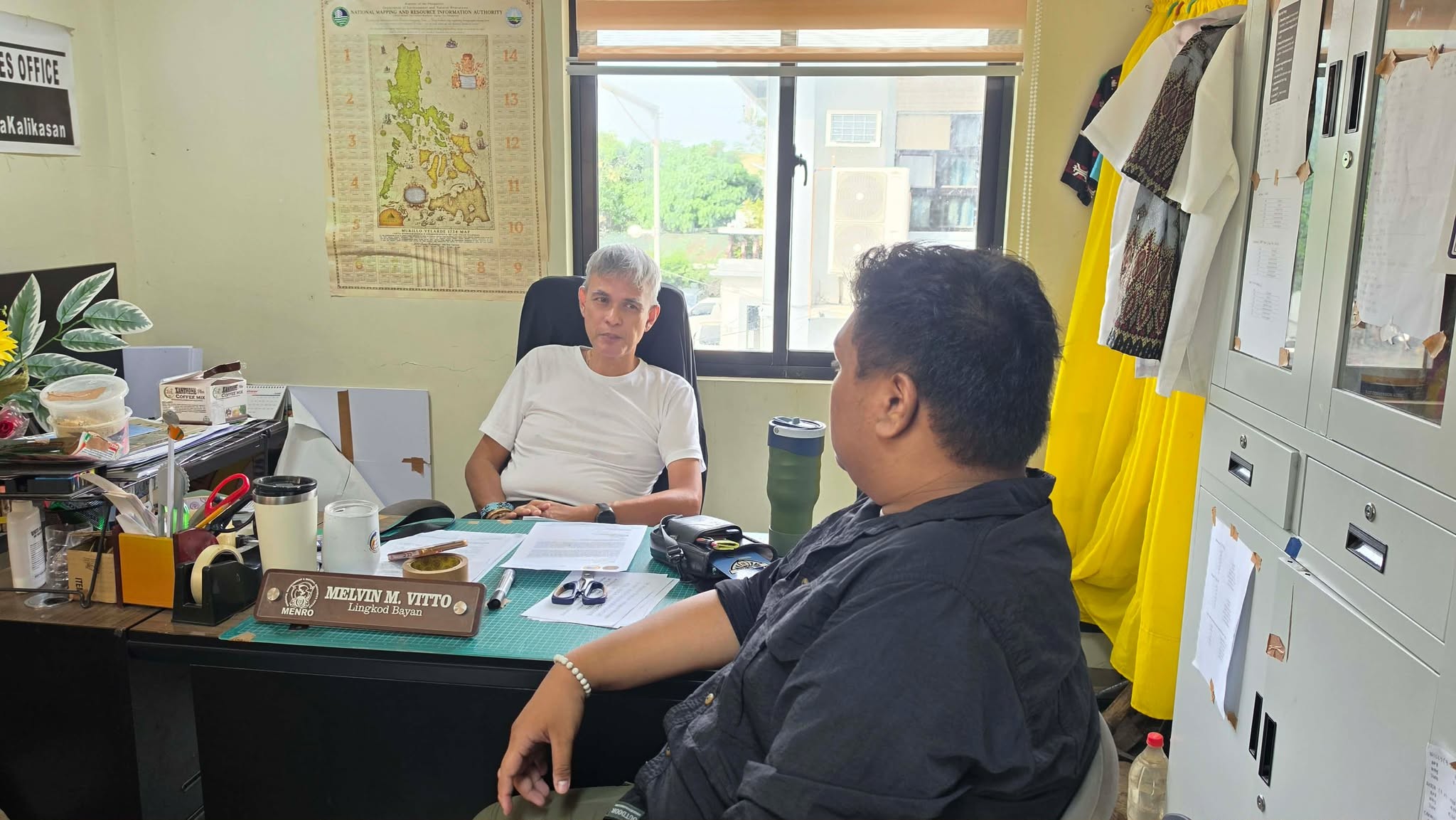
This fieldwork forms part of the research of Mr. Aris Castro of UP-NIGS VTEC Laboratory. The data gathered during this activity will contribute to ongoing research efforts aimed at improving the understanding of volcanic systems and associated geologic hazards.
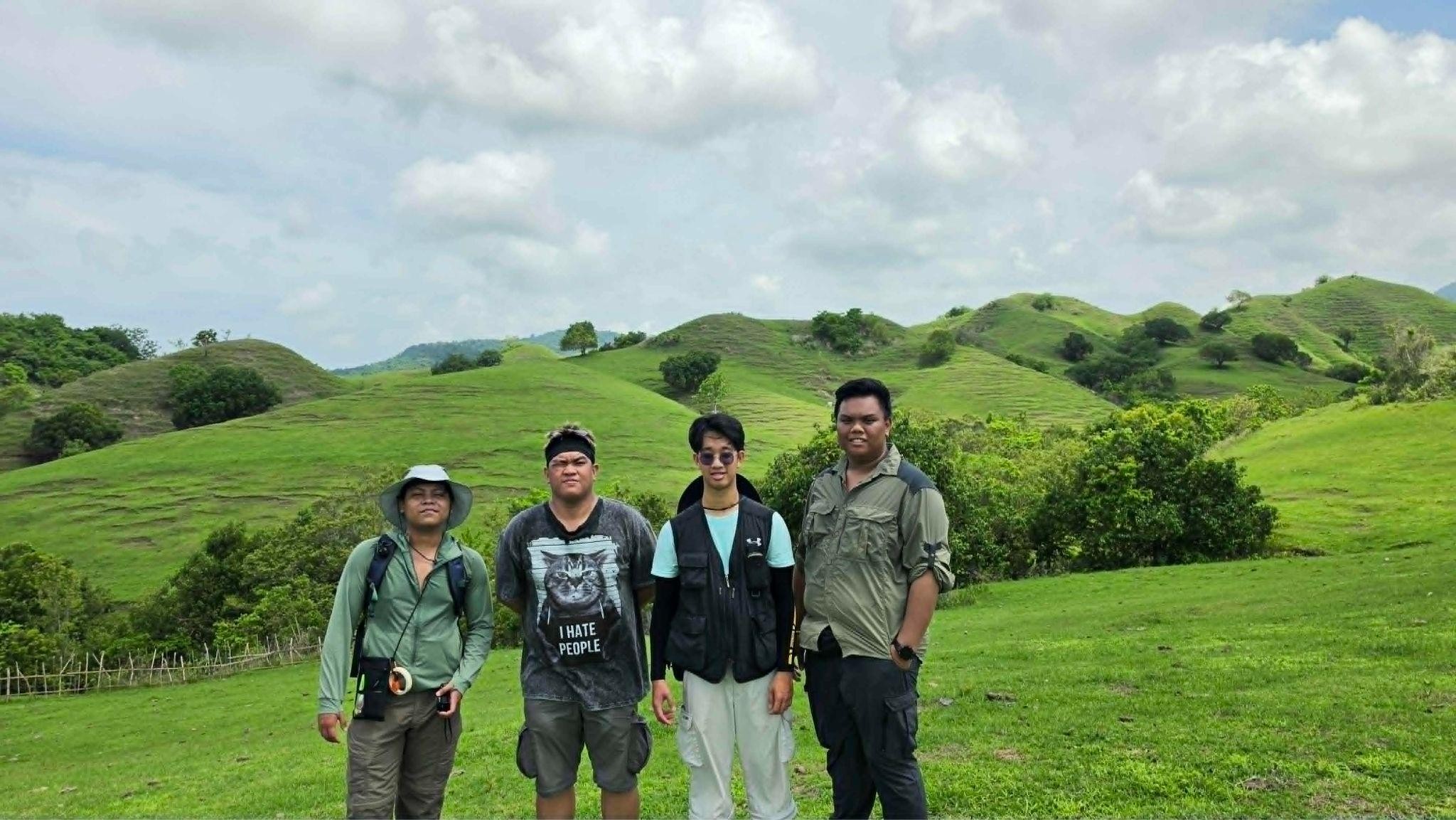
Beyond its scientific objectives, fieldwork highlights the importance of collaboration among academic institutions, researchers, and local communities in advancing geoscientific knowledge and disaster resilience. For researchers at the UPRI, these activities provide opportunities to strengthen technical skills, apply scientific knowledge, and gain firsthand understanding of local hazards and community vulnerabilities. Fieldwork also fosters teamwork, critical thinking, and the integration of scientific and local knowledge, contributing to researchers’ professional growth and UPRI’s institutional capacity to advance evidence-based disaster risk reduction and resilient communities.