
By Dainty Clarice Rabang (Education Division) & Lea Victoria Serrano (Hazards Assessment Team, NOAH Center)
The University of the Philippines Resilience Institute (UPRI), through the Philippine Preparedness Partnership (PhilPrep), held a series of stakeholder engagements in Palawan and Puerto Princesa City from September 28 to 30, 2026, laying the groundwork for a locally led approach to disaster risk reduction and management (DRRM).
The initiative seeks to strengthen collaboration among government, academe, civil society, and the private sector through partnerships rooted in mutual trust, shared priorities, and co-creation. It draws on PhilPrep’s experience in Tarlac City through Project Talagháy, where local stakeholders worked together to develop and sustain community-based early warning and preparedness initiatives. Lessons and knowledge products from this experience will inform the localization process in Palawan and Puerto Princesa, with activities adapted to local needs and priorities.
During the visit, the UPRI–PhilPrep team met with representatives of Palawan State University, led by President Dr. Venzon Limpiada, and Western Philippines University, led by President Dr. Amabel Liao. Discussions explored potential collaboration between UPRI and the two state universities to support disaster resilience efforts in the province.
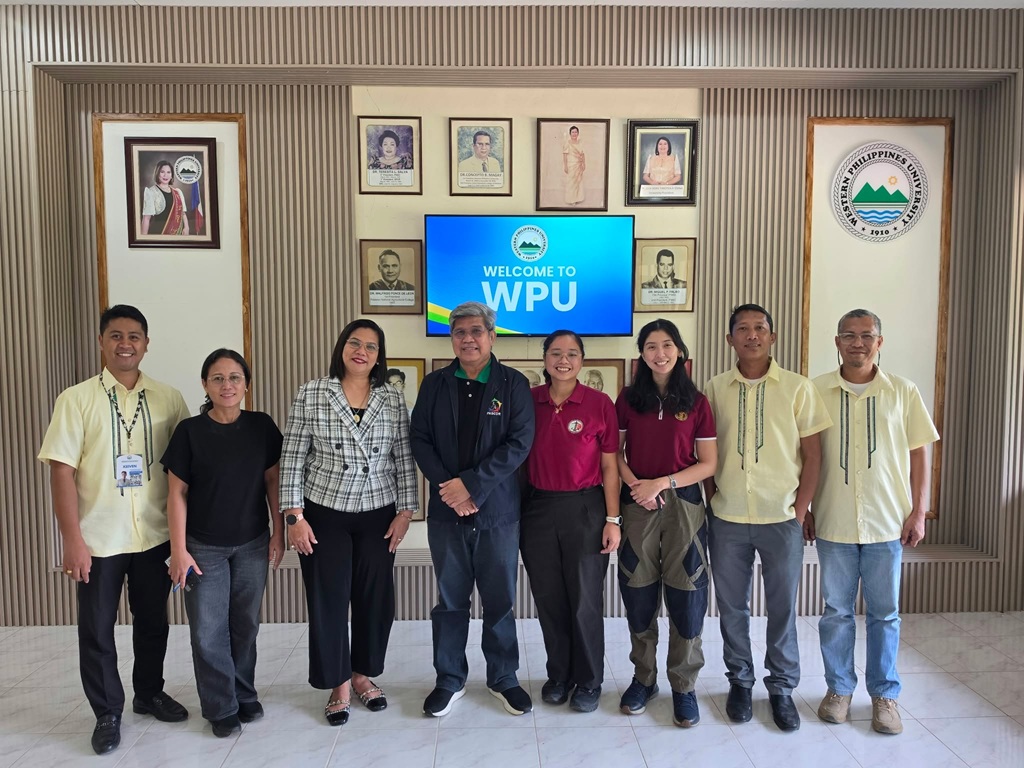
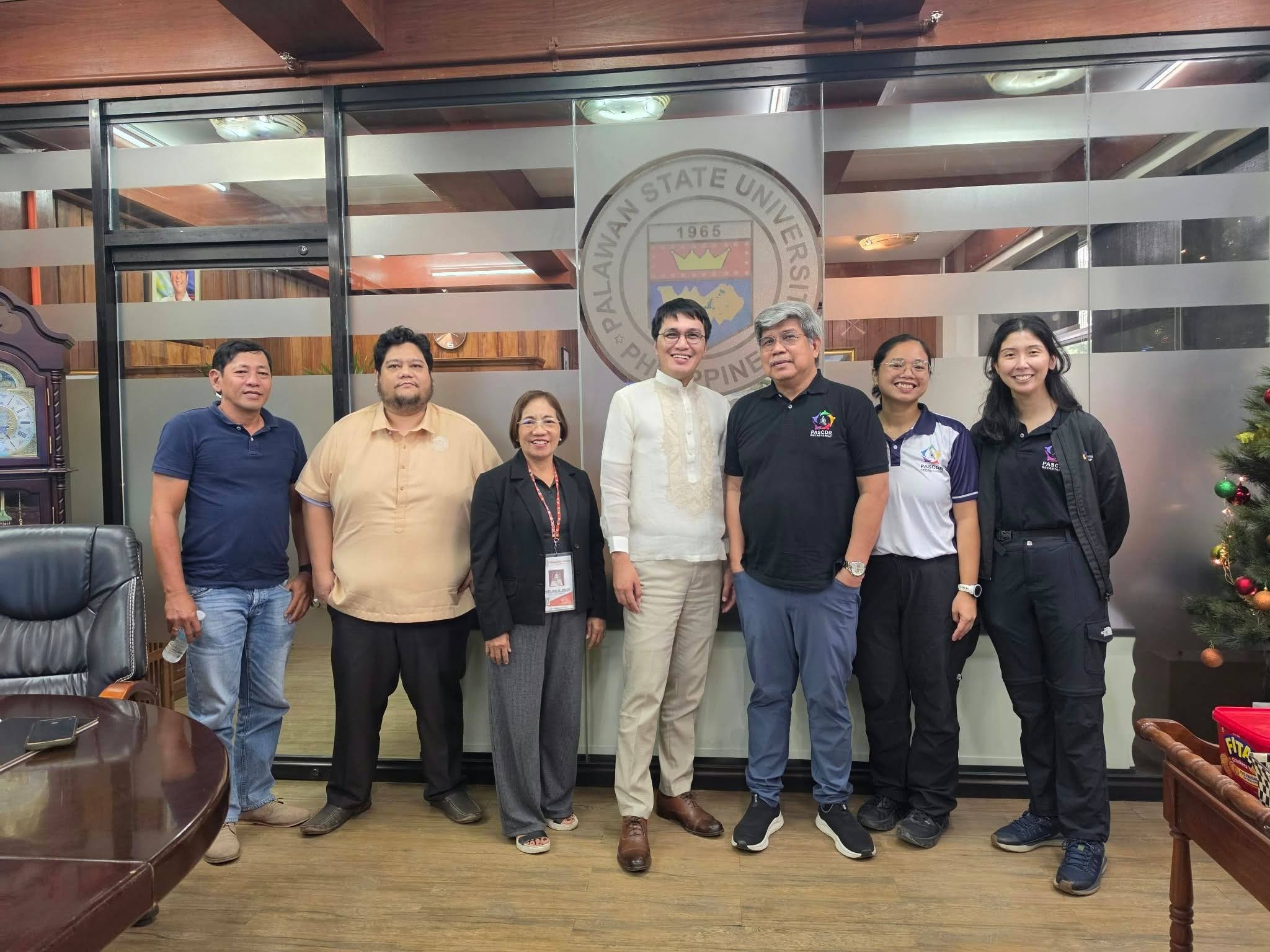
The team also met with Puerto Princesa City Mayor Lucilo Bayron to discuss the proposed engagement, identify areas of shared interest, and explore local challenges that the partnership could help address. To engage the Provincial Government of Palawan, the team presented the localization initiative during the third meeting of the Provincial Disaster Risk Reduction and Management Council.
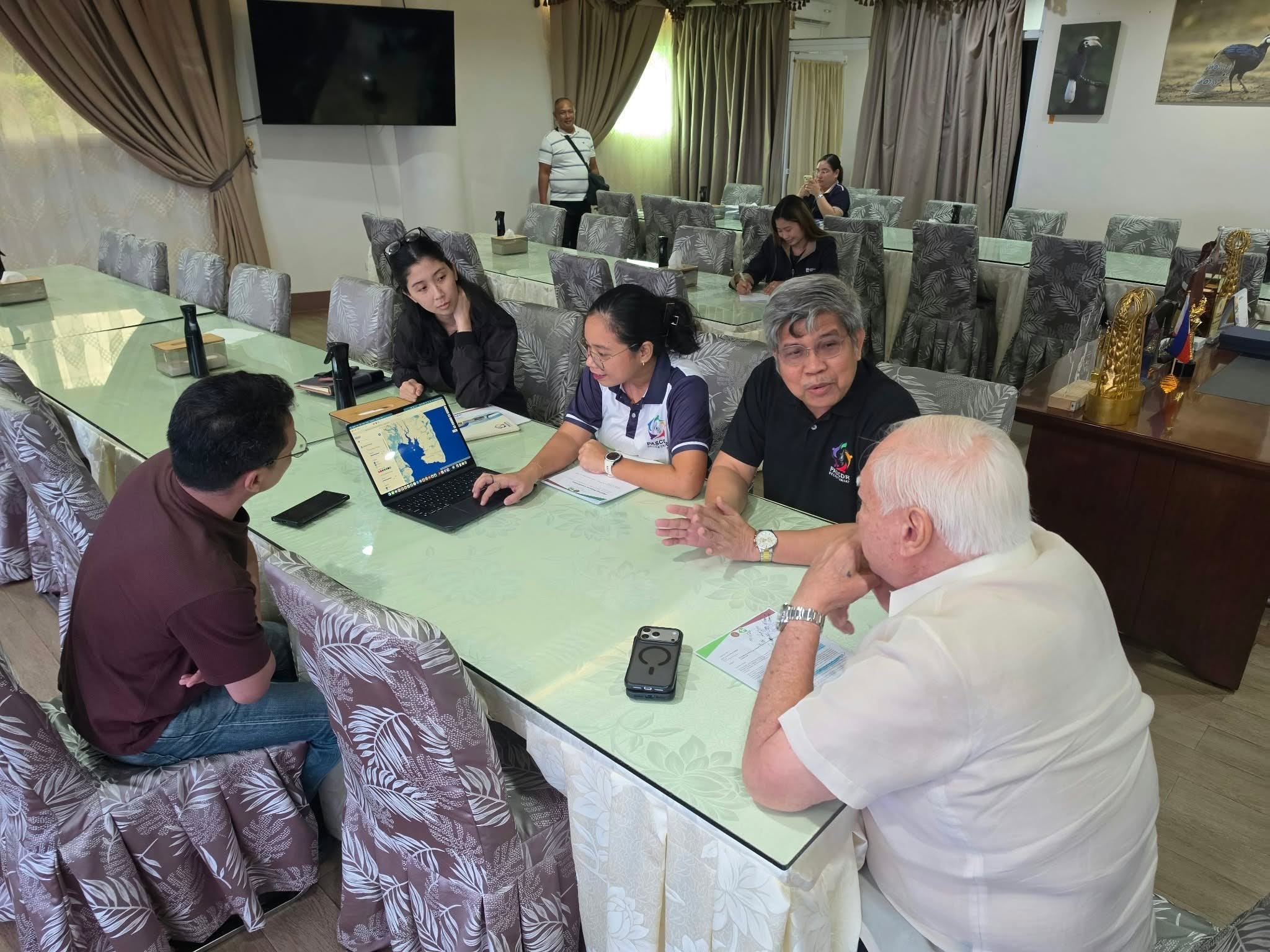
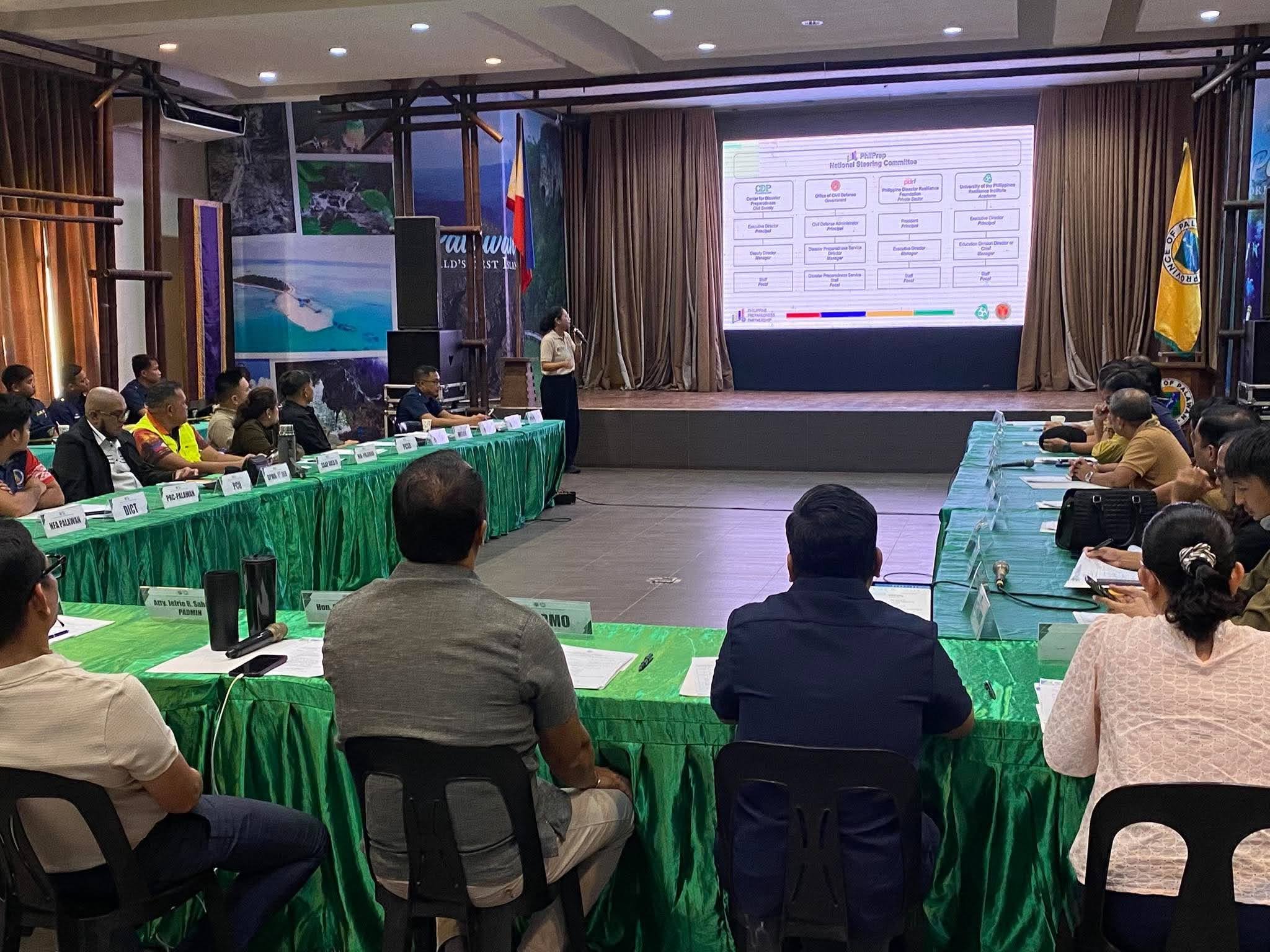
These initial engagements mark the beginning of UPRI and PhilPrep’s partnership-building efforts in Palawan and Puerto Princesa. Moving forward, the initiative will support local stakeholders in identifying shared DRRM priorities and co-creating activities, with PhilPrep providing technical assistance and facilitation support. The approach places local institutions and communities at the center of decision-making and implementation, helping sustain collaboration beyond the project period.
Through this locally led process, UPRI and PhilPrep aim to contribute to sustainable, risk-informed development and long-term disaster resilience amid the challenges of a changing climate.