Article Written By: David Josh Concepcion
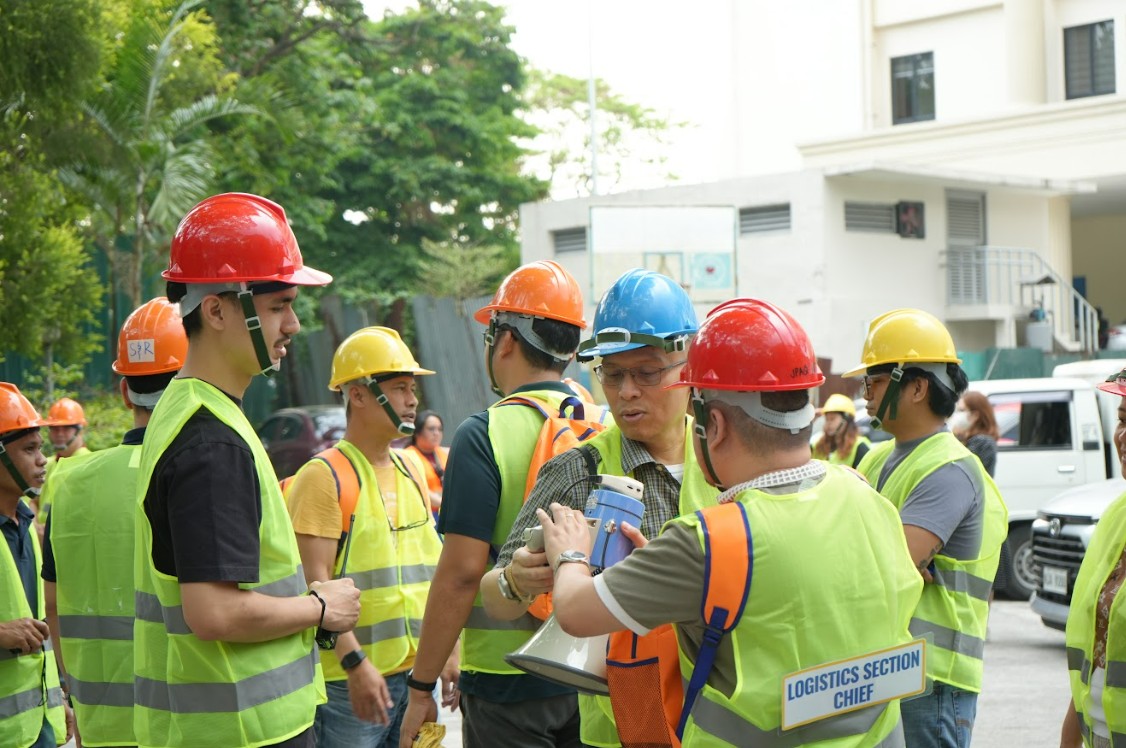
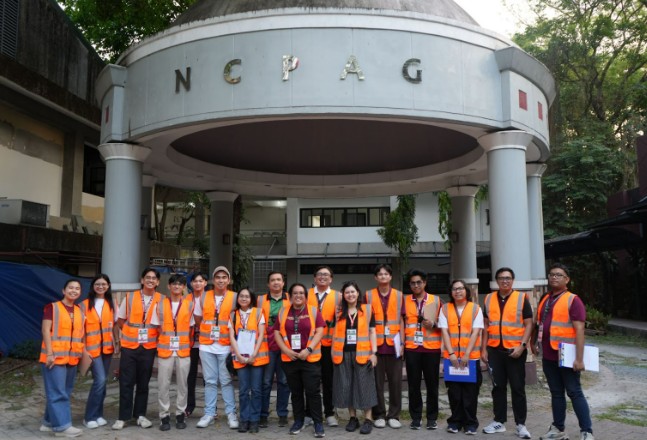
On March 12, 2026, the National College of Public Administration and Governance (NCPAG), in collaboration with the UP Resilience Institute (UPRI), conducted the National Simultaneous Earthquake Drill (NSED). The activity served as an opportunity for NCPAG to apply and operationalize its Emergency Preparedness Plan (EPP) in a simulated earthquake scenario, with UPRI’s Institution Building (IB) Division and trained volunteers deployed as observers to monitor and assess the exercise.
During the drill, NCPAG implemented a comprehensive response that included additional surprise elements such as a simulated power outage and the presence of victims requiring medical attention and search and rescue operations. These unexpected scenarios were introduced to mirror real-life emergency conditions, where disruptions and uncertainties often challenge and test the capacity of their Incident Management Team (IMT), as well as their medical and search and rescue units, in handling complex and evolving emergencies. In particular, the IMT’s ability to make timely decisions, delegate responsibilities, and adapt to rapidly changing situations was observed, highlighting both strengths and areas for improvement. Meanwhile, the medical teams were challenged to demonstrate proper first aid response, patient assessment, and coordination with rescue units, while search and rescue teams navigated simulated hazards to locate and extract victims safely.
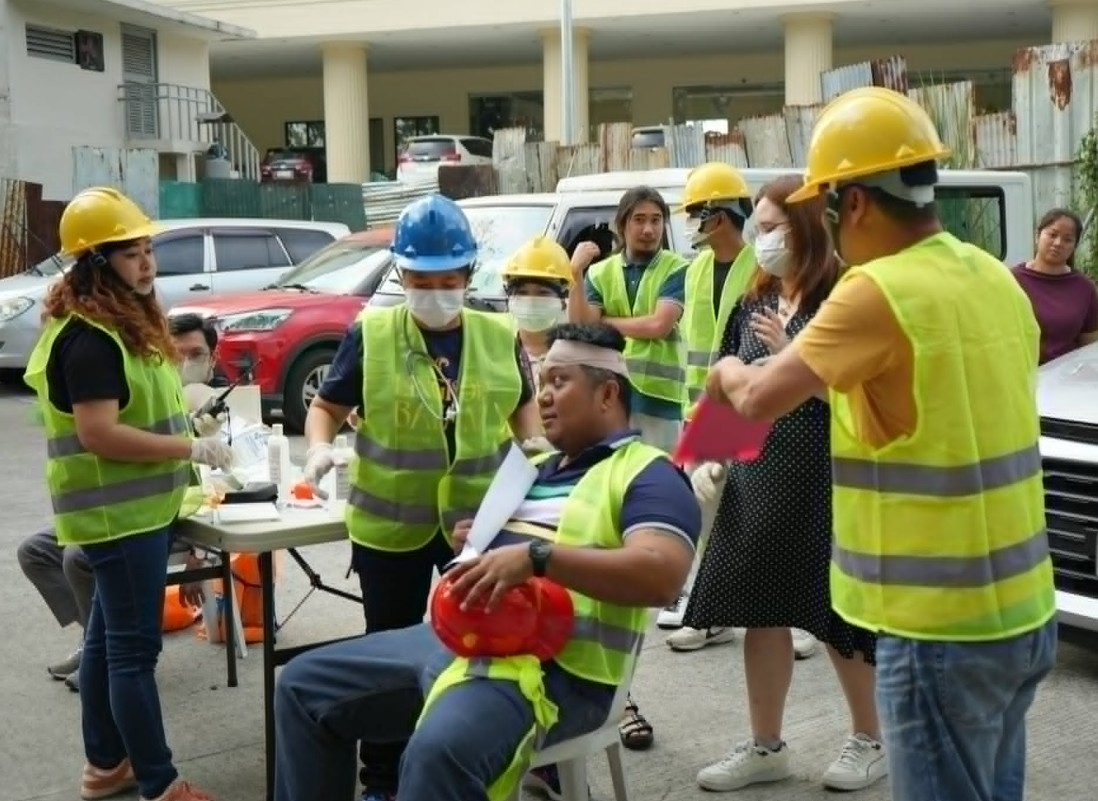
Observers assessed the flow of operations, coordination, and adherence to established protocols throughout the exercise. They paid close attention to how effectively teams communicated across units, the clarity of command structures, and the extent to which participants followed the Emergency Preparedness Plan (EPP). Additionally, the observers noted response times, problem-solving approaches, and the ability of personnel to remain composed under pressure.
Overall, there was a significant improvement in NCPAG’s emergency response compared to previous drills. The activity demonstrated enhanced coordination, clearer communication, and more efficient execution of procedures. Participants exhibited greater familiarity with their roles and responsibilities, resulting in smoother transitions between response phases and reduced delays in action. The drill highlighted the importance of continuous training and realistic simulations in strengthening institutional preparedness. It underscored the value of regularly updating emergency plans, investing in capacity-building initiatives, and fostering a culture of preparedness among all stakeholders, highlighting the resilience within the University.