Written by NOAH Hazard Assessment Team
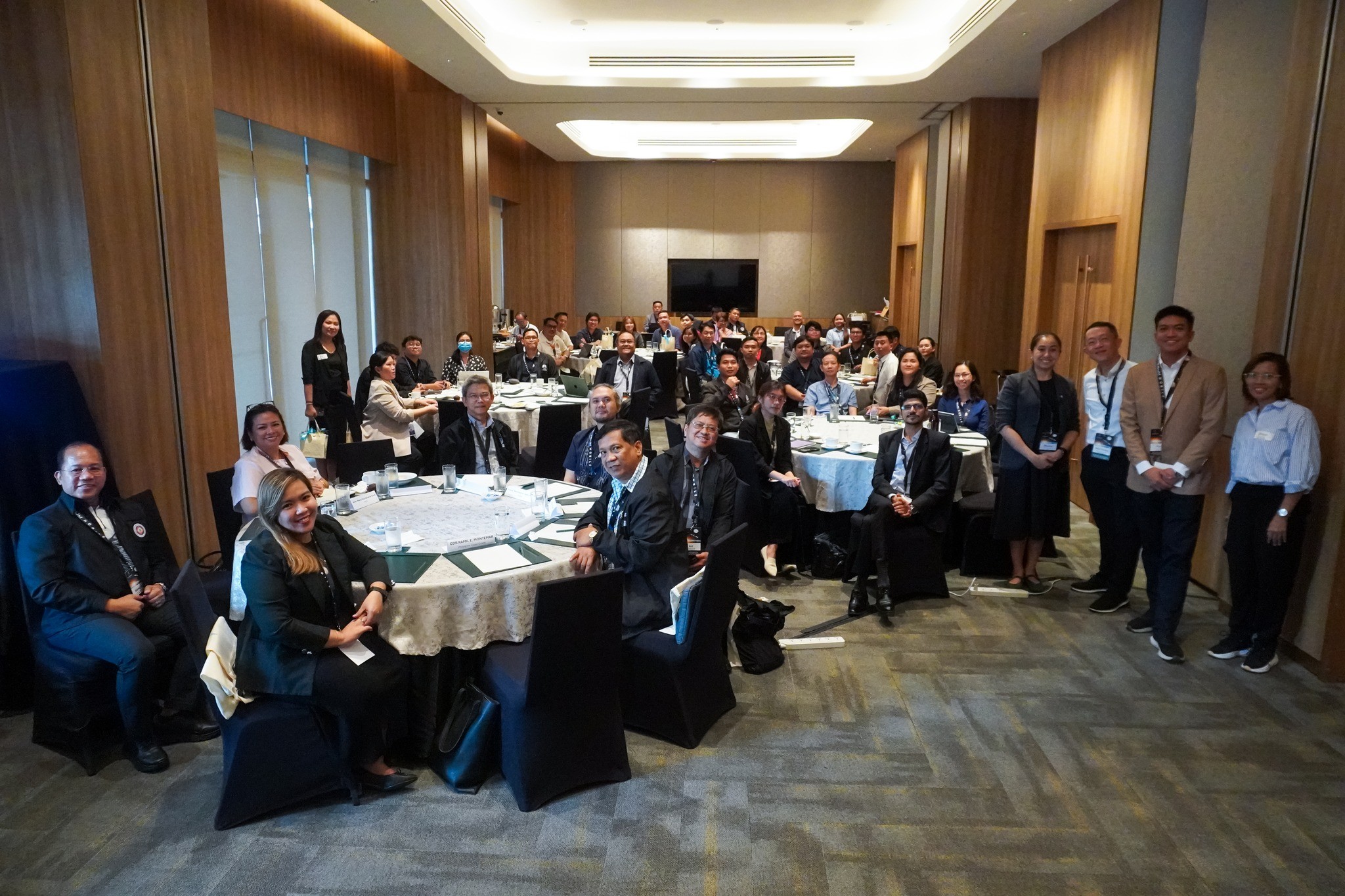
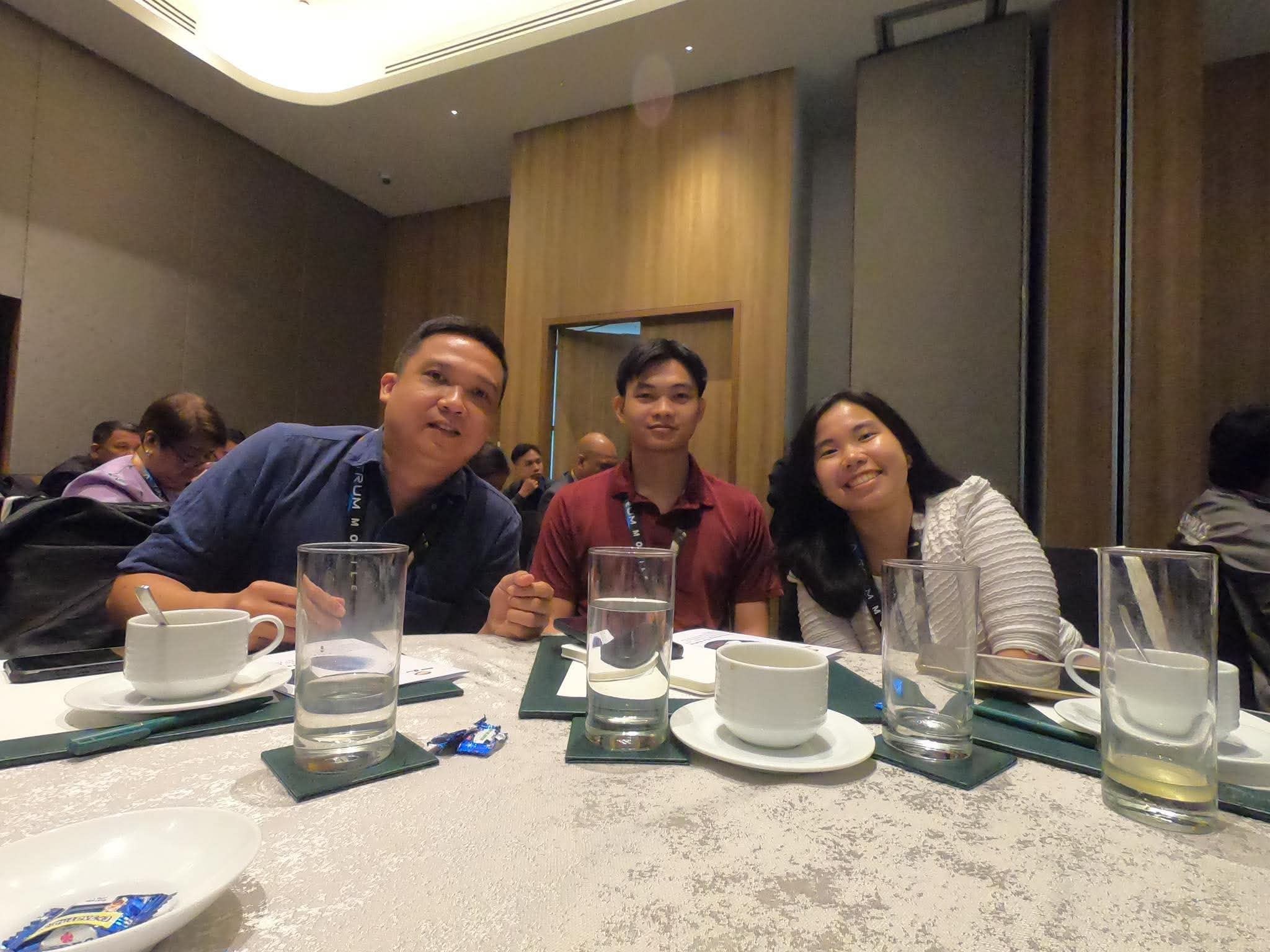
On May 13, 2026, representatives of the UPRI NOAH Center Hazard Assessment Team and Institution Building Division attended the Inter-agency Coordination and Demonstration of Satellite-to-Device (S2D) Services at Lanson Place, Mall of Asia, Manila. This event was organized by the Philippine Space Agency (PhilSA) in collaboration with Astrum Mobile, serving as a platform for inter-agency dialogue regarding disaster monitoring and coordination. Key topics included the difficulties of spreading information during emergencies and the opportunities to enhance national systems for disaster preparedness specifically highlighting the role of space-based technologies in disaster resilience and communication.
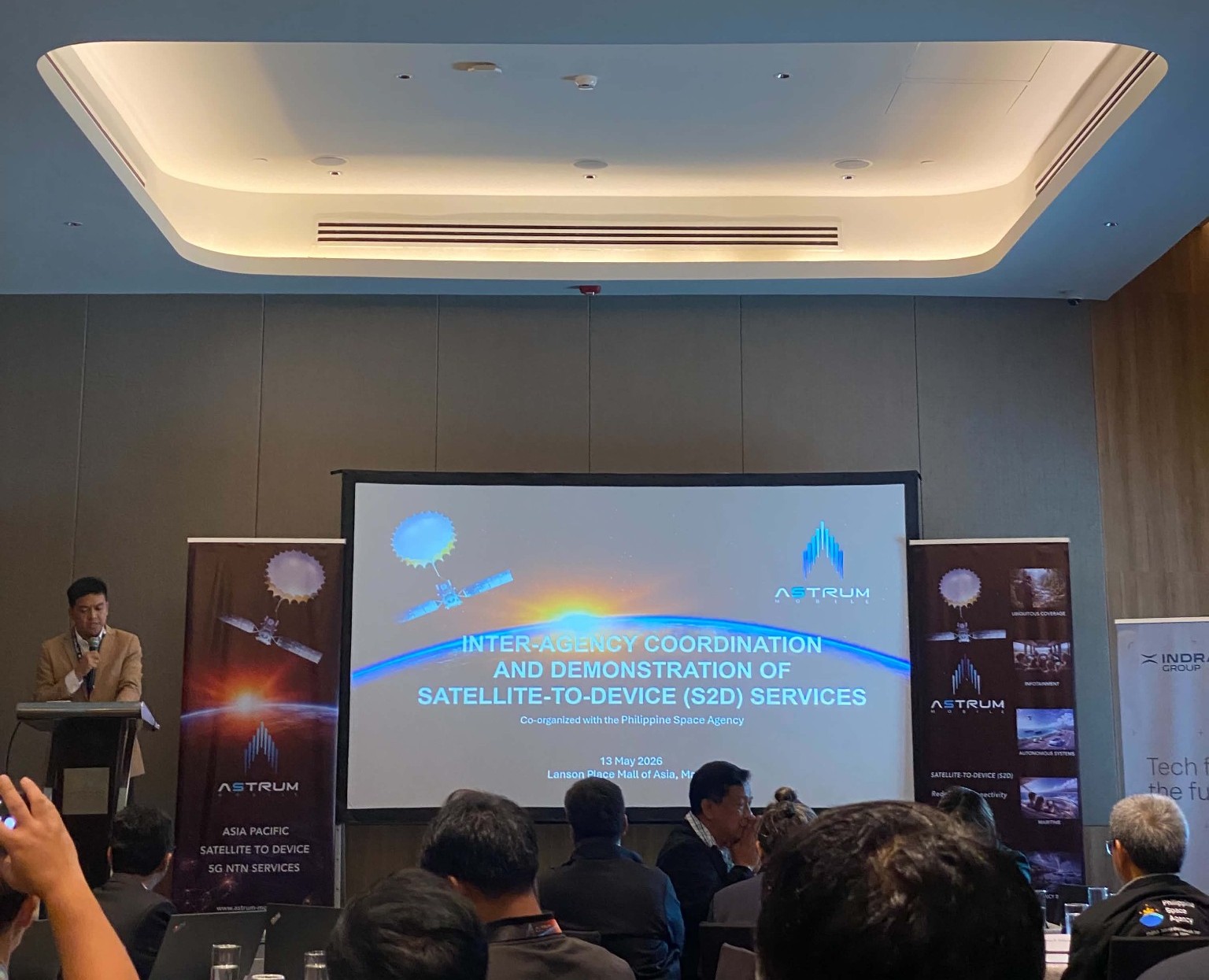
The event consisted of four sessions, beginning with an introductory discussion on space technologies. This session provided valuable insights into how data is derived from space and utilized across every stage of disaster management: mitigation, preparedness, response, and recovery. A key takeaway was the critical importance of ensuring space data successfully reaches the ground to enable effective, data-driven decision-making at the local level.
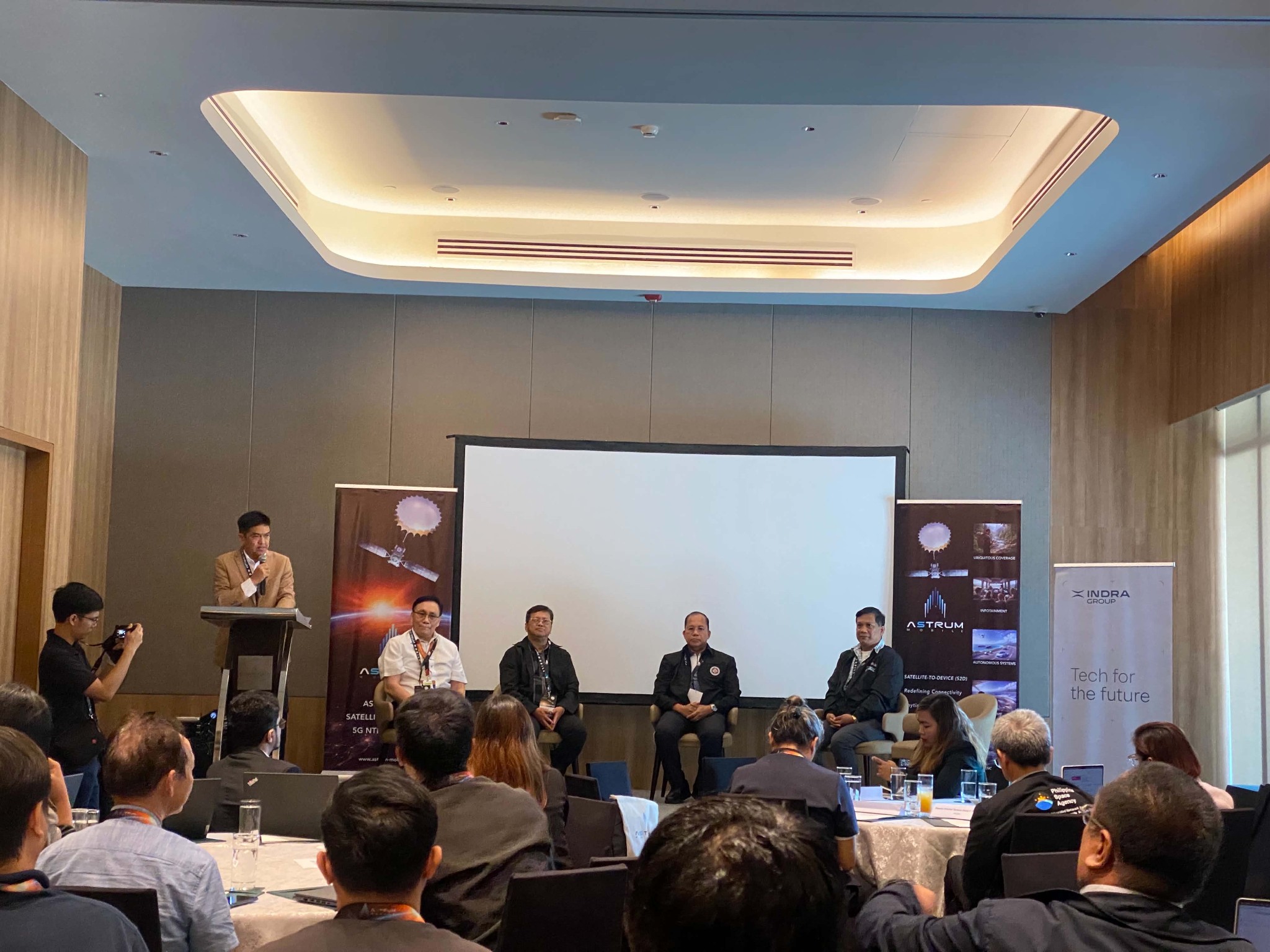
The second session featured a government panel discussion, bringing together representatives from key agencies and departments. Panelists shared insights into their respective roles in disaster monitoring and response, highlighted the challenges they face—particularly during extreme weather events—and explored opportunities for future collaboration and initiatives. A prominent challenge raised was the severe impact of extreme weather, such as strong typhoons, on communication networks. These events often disrupt SMS and radio communications, causing technical glitches and critical delays in broadcasting warnings to affected communities. While various initiatives are underway to address these infrastructure vulnerabilities, communication resilience remains a major hurdle in disaster response.
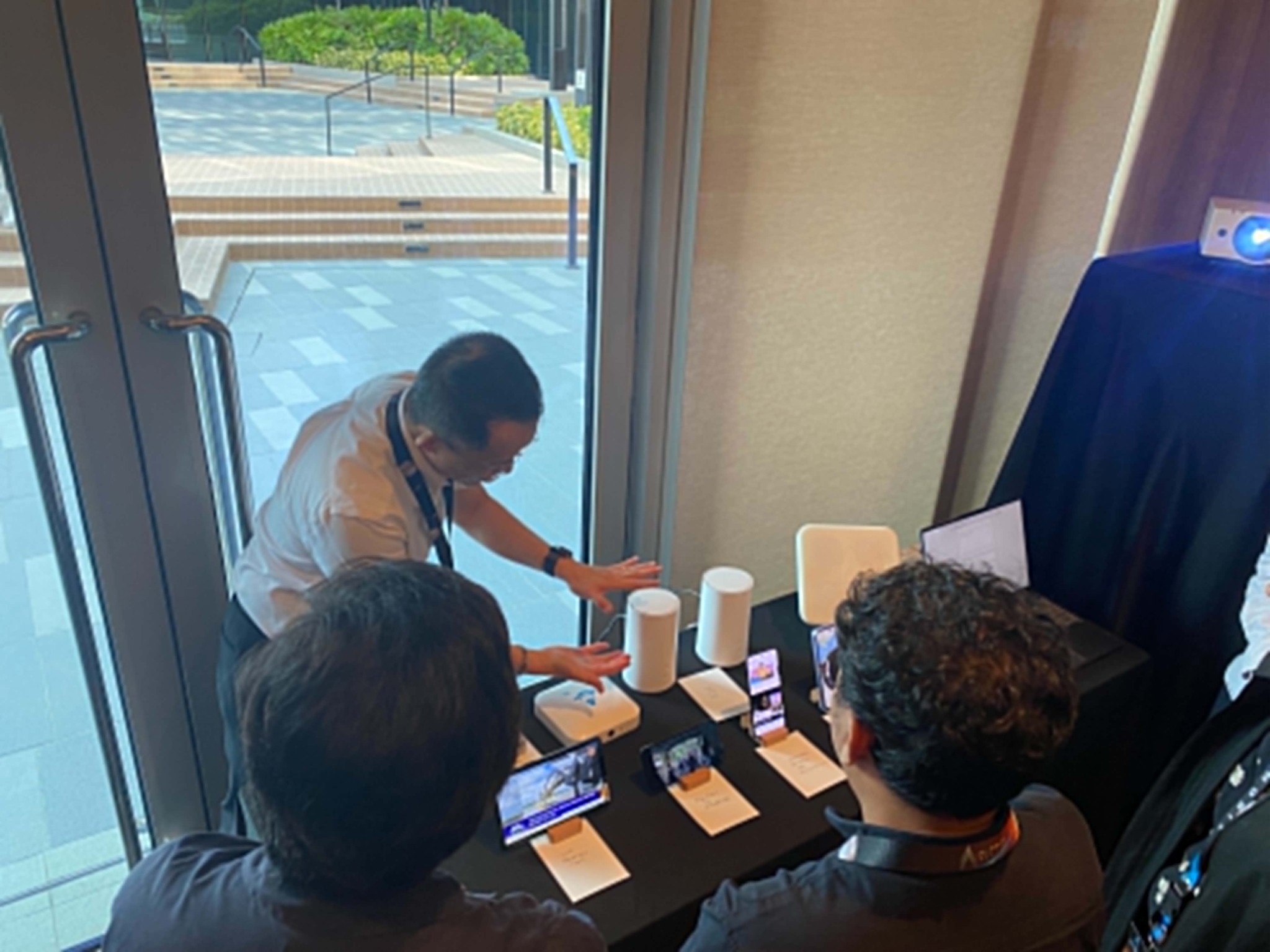
The third session introduced participants to Astrum Mobile Company, their range of services, and satellite-to-device (S2D) technology followed by a live demonstration of their product. Headquartered in Singapore, Astrum Mobile is a satellite services and platform provider with international offices in the Philippines, the USA, and Australia. The company has recently developed a S2D technology leveraging on 5G Non-terrestrial Network (NTN) services directly applicable for user 5G smartphones or smart devices, complemented by its operation on ITU allocated L-band spectrum, which is reportedly known for its exceptional resilience to weather conditions. With Astrum Mobile planning to launch a new satellite in the second half of 2027, S2D coverage will be extended to the Philippines and its maritime zones—presenting a potential to significantly enhance the country’s existing disaster response systems (i.e. national emergency broadcasts) through the assistance of a more resilient communication framework that reaches highly vulnerable, remote rural and maritime areas. Beyond disaster response, the technology can support nationwide education and SME development by broadcasting learning materials directly to the public.
However, direct access to this technology is currently limited to newer smartphone models. Older devices must connect via an Astrum-provided Wi-Fi router, though the company is actively developing solutions to bridge this gap.
The final session elaborated on the opportunities for coordination between different agencies, offering fresh perspectives on enhancing the Philippines’ National Disaster Response Systems.
Overall, this event highlighted the vital role of emerging space technologies in overcoming the country’s communication vulnerabilities during crises. For the UPRI and NOAH Center teams, the insights and demonstrations emphasized the immense potential of S2D technology to bridge critical communication gaps. Moving forward, leveraging these advancements and fostering inter-agency collaborations will be crucial in building a more proactive, resilient, and data-driven disaster response framework for the Philippines.