
Written by Gereka Marie N. Garcia and Ella Danielle C. Santiaguel | Photos by: Amidian Rose Dinampo
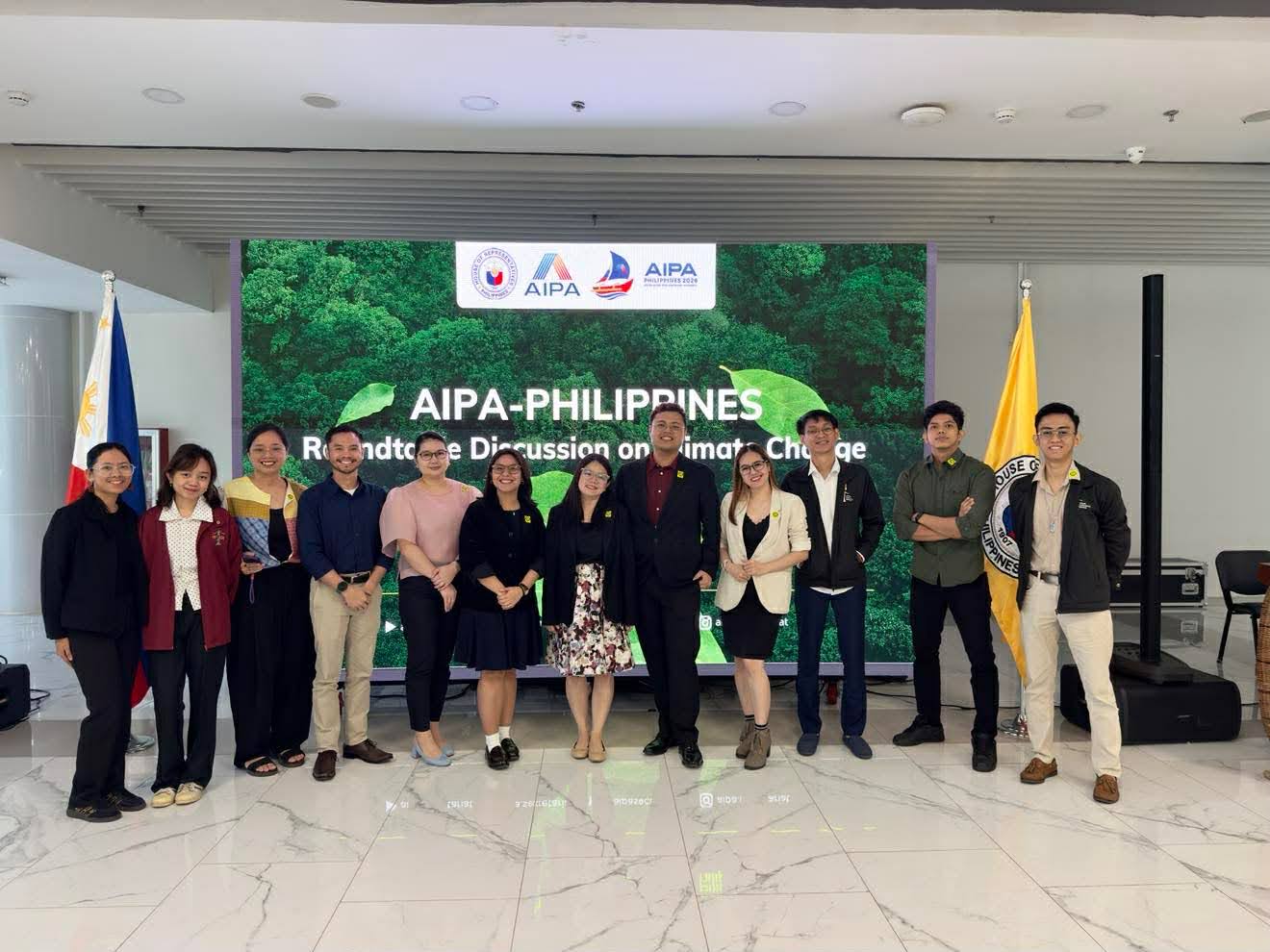
On 12 March 2026, the University of the Philippines Resilience Institute (UPRI) participated in the Climate Change Exhibit and Roundtable Discussion held at the House of Representatives of the Philippines in Quezon City.
The event formed part of the ASEAN Inter-Parliamentary Assembly (AIPA) Capacity Development Program on Climate Change, jointly organized by the House of Representatives and AIPA. The forum brought together lawmakers, parliamentary staff, policy experts, and development partners to examine legislative and policy responses to climate risks affecting the Philippines and the broader ASEAN region.
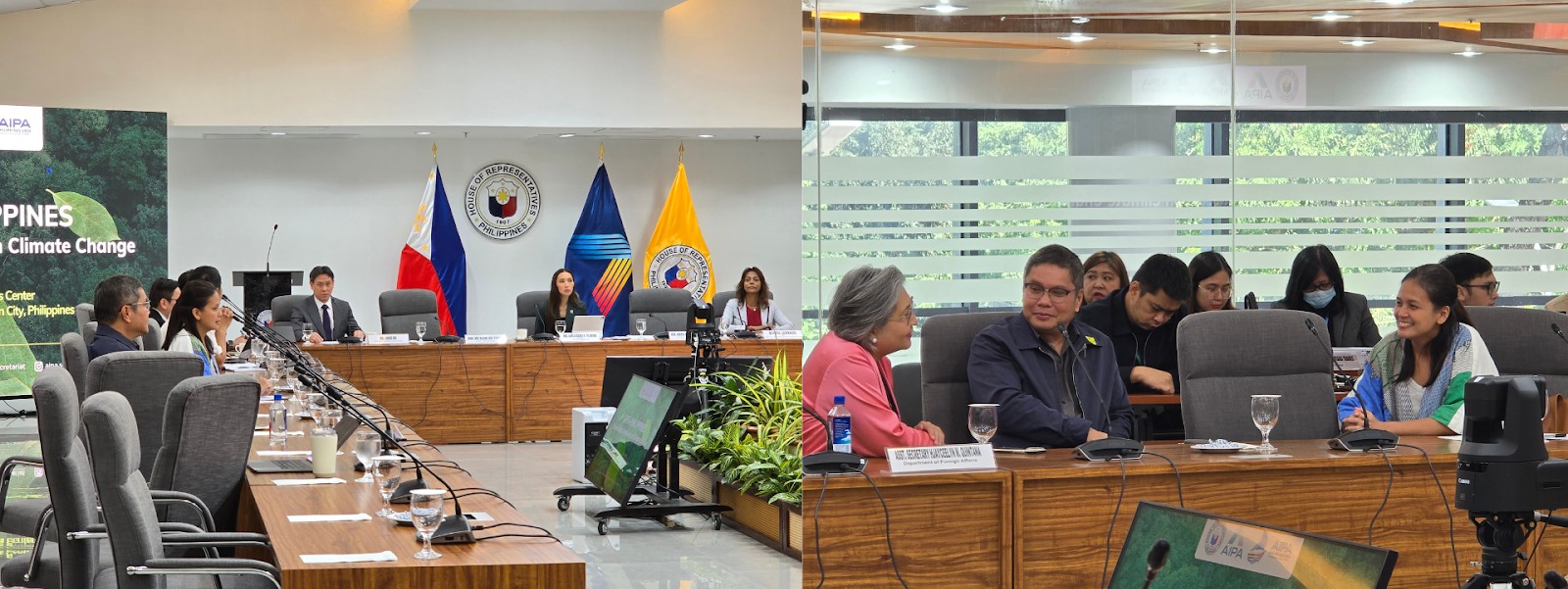
Opening remarks were delivered by Maria Rachel Arenas, Chairperson of the House Committee on Foreign Affairs and Senior Vice Chair of the Special Committee on ASEAN Affairs, and Aniela Bianca Tolentino, Chairperson of the House Committee on Climate Change. The discussions focused on strengthening legislative engagement on climate issues, including renewable energy development, climate finance, carbon pricing mechanisms, and international support for loss-and-damage responses.
UPRI Representation at the Climate Roundtable
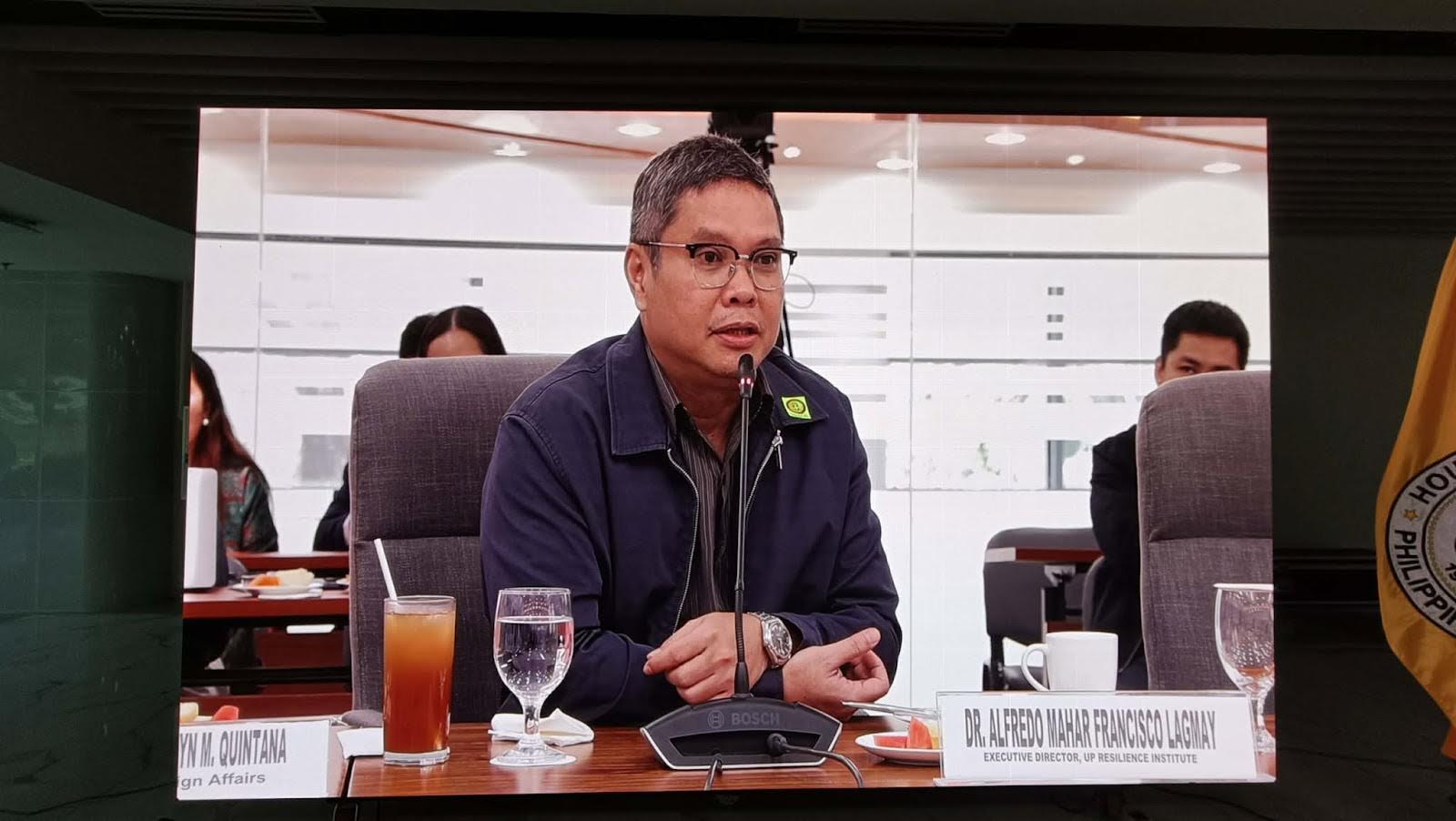
The roundtable featured a distinguished group of climate leaders. Dr. Mahar Lagmay, Executive Director of UPRI, represented the institute, sharing insights on climate risk, disaster resilience, and the integration of nature-based solutions with traditional infrastructure. Dr. Lagmay emphasized the importance of science-based decision-making, illustrating how climate data, hazard mapping, and risk modeling can guide policies for flood management, disaster preparedness, and sustainable development.
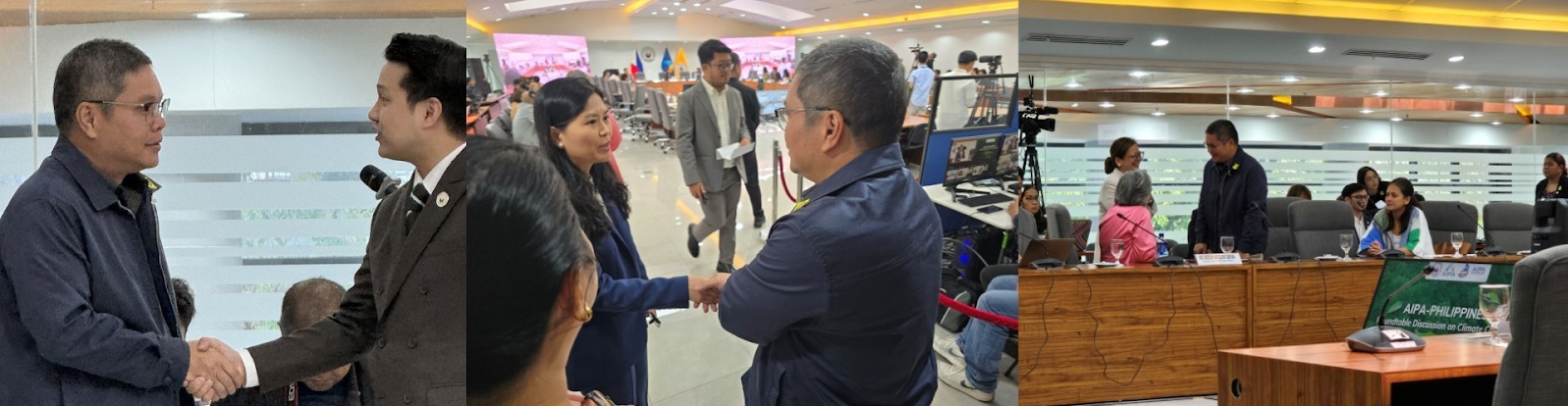
He was joined by other prominent climate and policy leaders, including Dr. Louis Ng from the Tara Climate Foundation, Sunita Lukkhoo of the European Investment Bank, and legislators like Hon. Anna Victoria Volos Tuazon and Hon. Brian Poe Llamanzares, all of whom contributed valuable perspectives on climate governance. Together with other participants of the roundtable, they exemplified the collaborative leadership necessary to translate scientific knowledge into effective climate policies for the Philippines and the broader ASEAN region.
Promoting Resilience and Nature-based Solutions
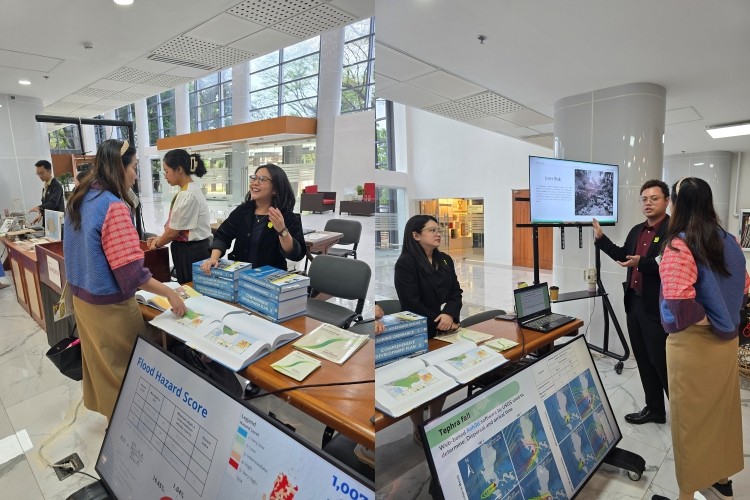
Alongside the roundtable, UPRI supported the Climate Change Exhibit through materials that demonstrate how data and technology can support climate adaptation and disaster risk reduction.
A major section of the exhibit highlighted tools and resources from Project NOAH, which provides accessible hazard and risk information for disaster preparedness and planning.
At the center was the “Ang Sapa” series, a short clay animation explaining how streams and rivers (sapa) behave during heavy rainfall and how flooding occurs. The series also shows how protecting waterways, restoring vegetation, and improving land absorption can reduce flood risks through nature-based solutions.
Visitors could also access the NOAH and GINA mobile applications via QR codes to explore hazard information and monitoring tools on their phones.
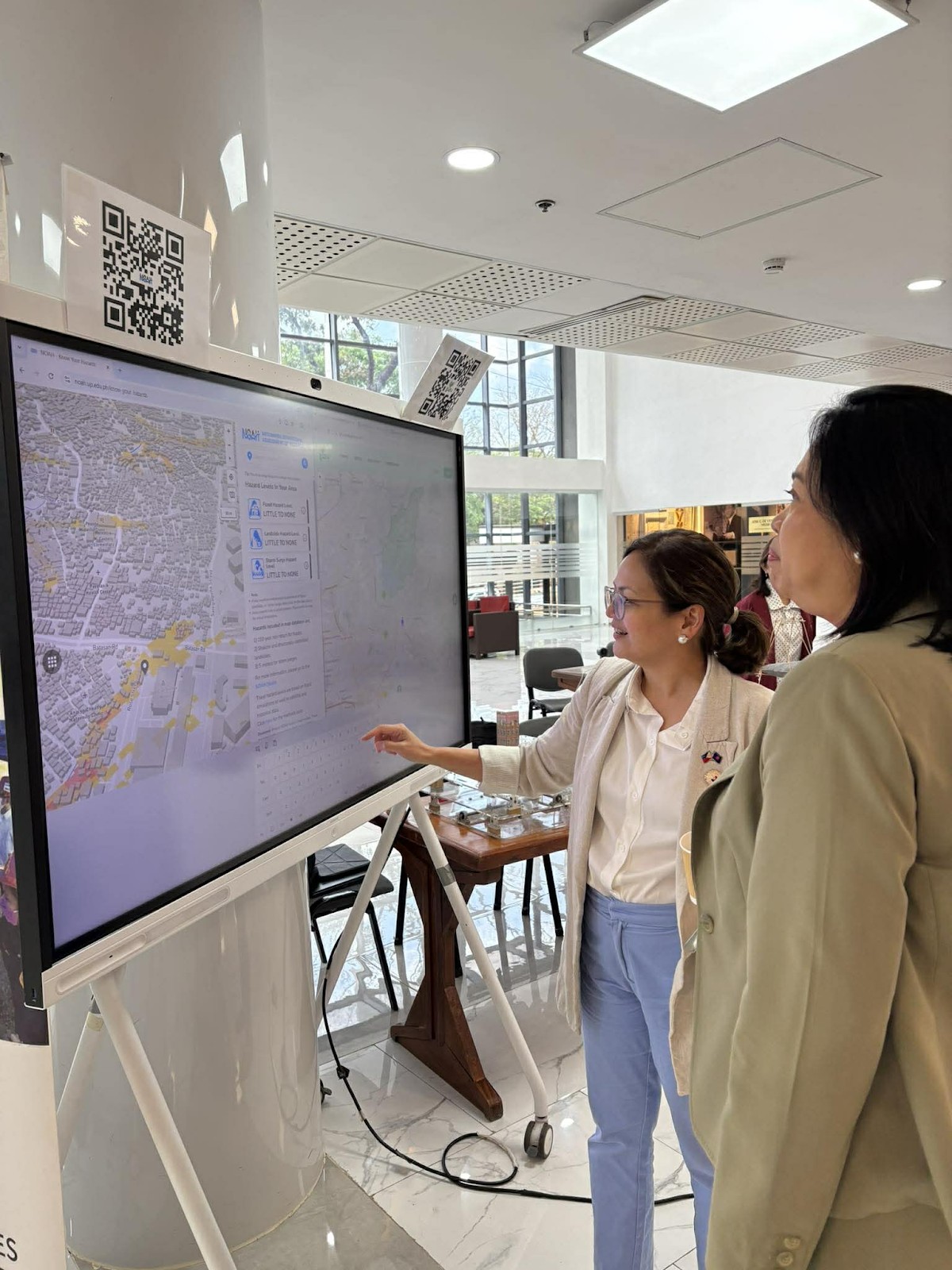
The exhibit featured several NOAH FMC research videos, including Macro-Level Data Analysis of the Philippines, Elucidation of Reforestation Programs and Natural Detention Ponds as a Nature-Based Solution Coupling Strategy for Flood Mitigation, and Multi-Scenario Flood Risk Assessment of Malogo and Sicaba Watersheds in Negros Occidental, Philippines. These highlighted how watershed analysis, flood modeling, and ecosystem-based interventions inform disaster risk reduction.
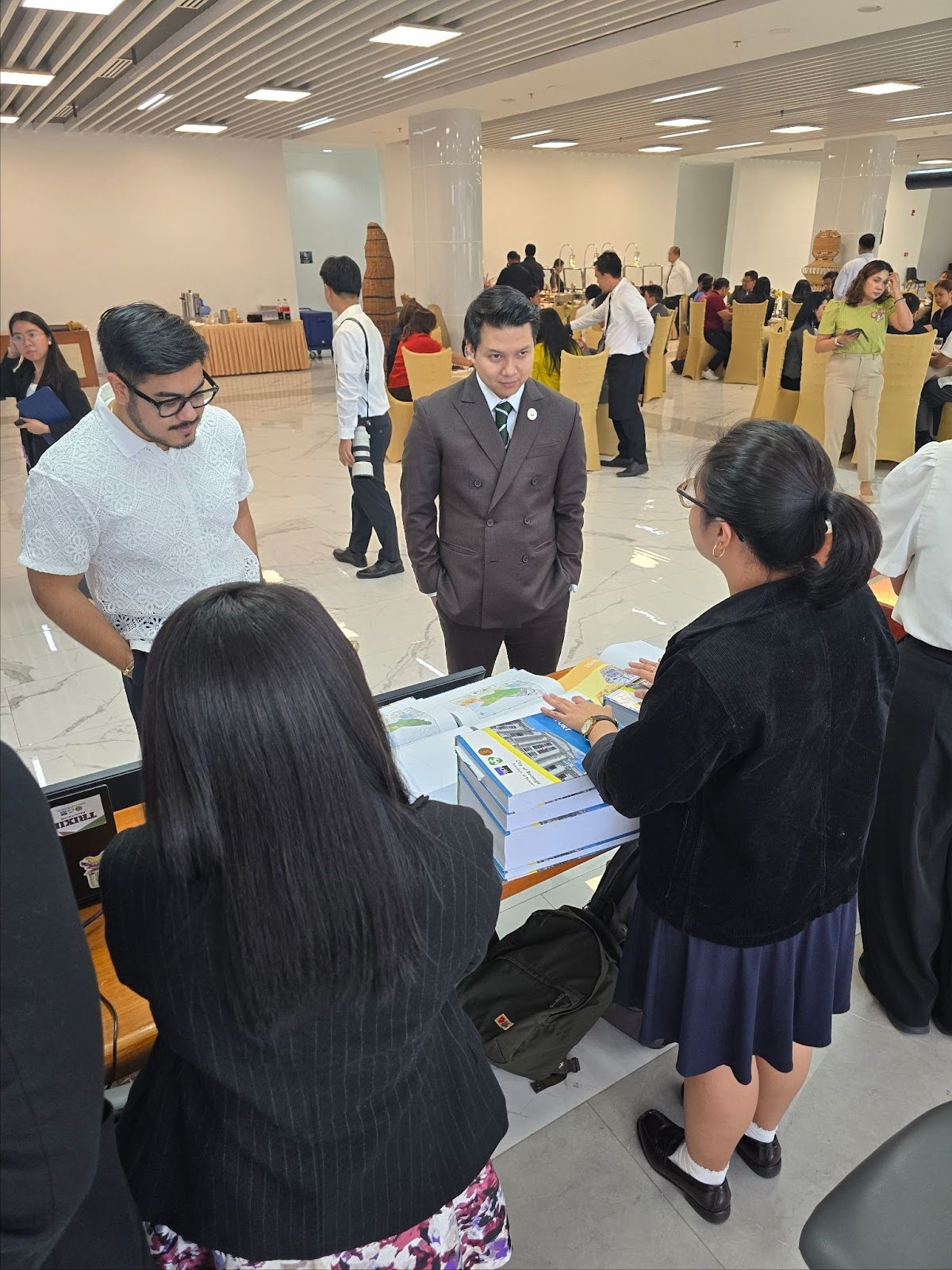
Hard-bound copies of risk-informed local development plans were also displayed by the NOAH Planning Component. These plans, such as the Comprehensive Land Use Plans (CLUP), Comprehensive Development Plans (CDP), and other related local plans, are mandated for preparation by cities and municipalities in the Philippines to guide land use, sectoral development investments, and policy directions. The exhibited plans demonstrate how probabilistic hazard simulations and scientific risk assessments are integrated into planning processes to support evidence-based and disaster-resilient local development.
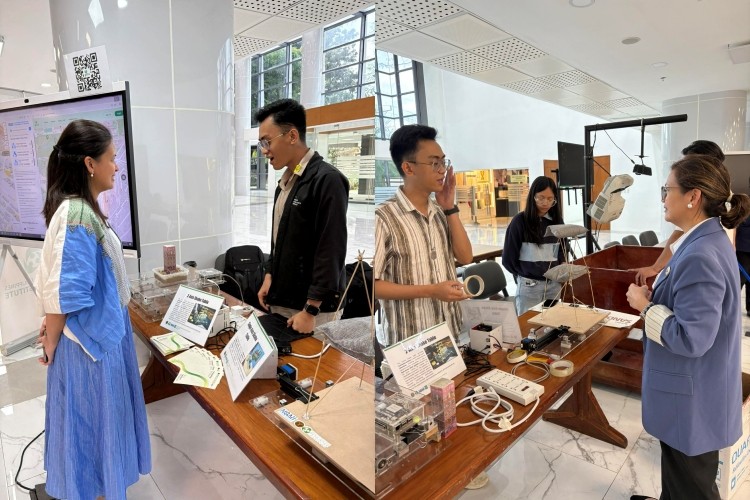
A Shake Table demonstrating how model structures respond to simulated earthquake shaking were also displayed.
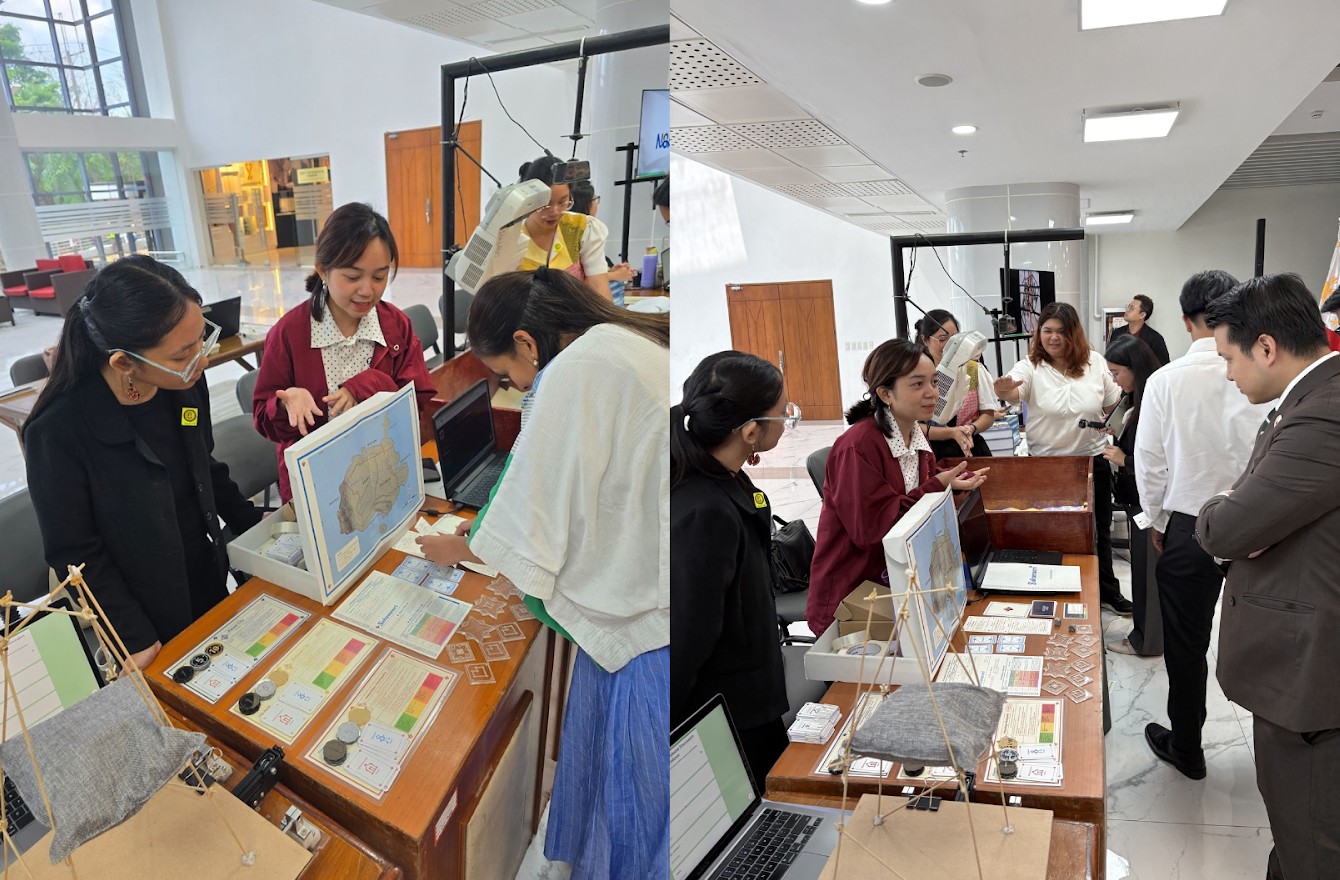
Another section highlighted tools developed by the Research and Creative Work Division (RCW) of UPRI, particularly the Sakunwari board game, a board game that simulates the experiences of an LGU as they work together to manage the impacts of hazards and pandemics.
RCW also showcased the NOAH × Flood Intelligence Dashboard, a decision-support platform that help identify location-specific nature-based solutions. Through the dashboard, users—such as local government units (LGUs)—can explore interventions like retention basins, expanded vegetation cover, or other landscape-based solutions and estimate how much flood risk could potentially be reduced by implementing these measures in specific areas.
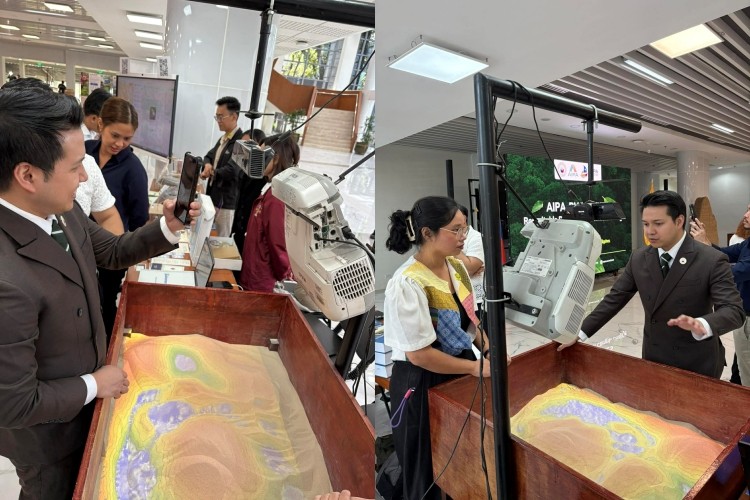
UPRI’s Education Division also featured the Augmented Reality (AR) Sandbox, an interactive educational tool used for disaster risk reduction and climate change adaptation learning. The sandbox allows participants to shape real sand while a projection system overlays real-time contour lines, elevation colors, and water simulations. As users reshape the terrain, they can immediately observe how water flows and pools across landscapes, helping illustrate how topography influences flooding and watershed behavior.
Together, these exhibit components demonstrate how science, technology, education, and creative communication can help make complex climate and disaster risk information more accessible for policymakers and the public.
Bridging Science and Policy
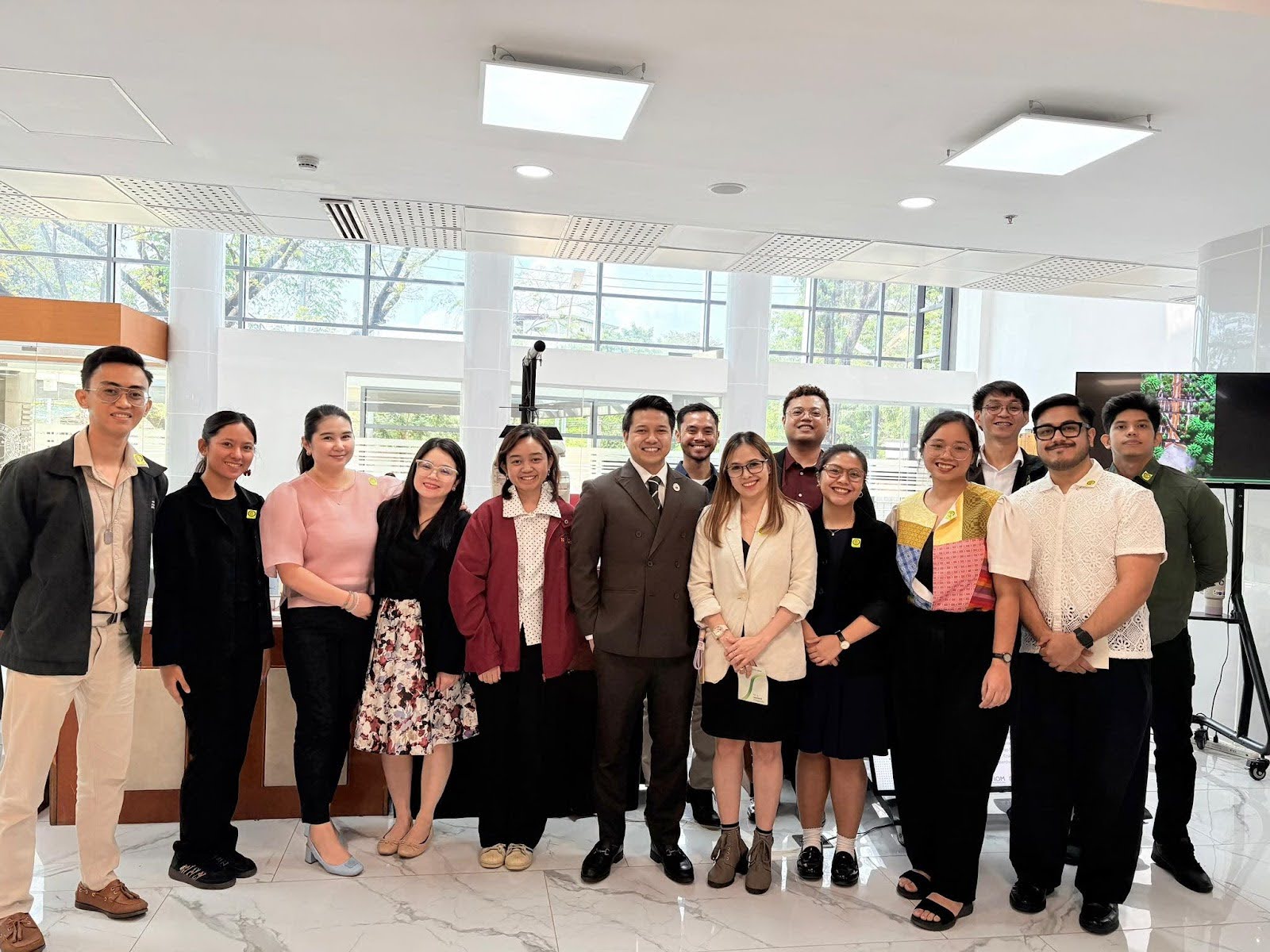
Through its participation in both the exhibit and the roundtable discussion, UPRI reinforced the role of scientific research, climate data, and technological innovation in informing climate policy and disaster risk reduction.
By engaging with lawmakers and regional partners, the institute continues to support efforts that translate research into practical tools and policies for climate resilience in the Philippines and across ASEAN.