
by Aira Joy C. Delos Angeles, Irish John Avis, Carl Dizon, and Jaime Broñozo
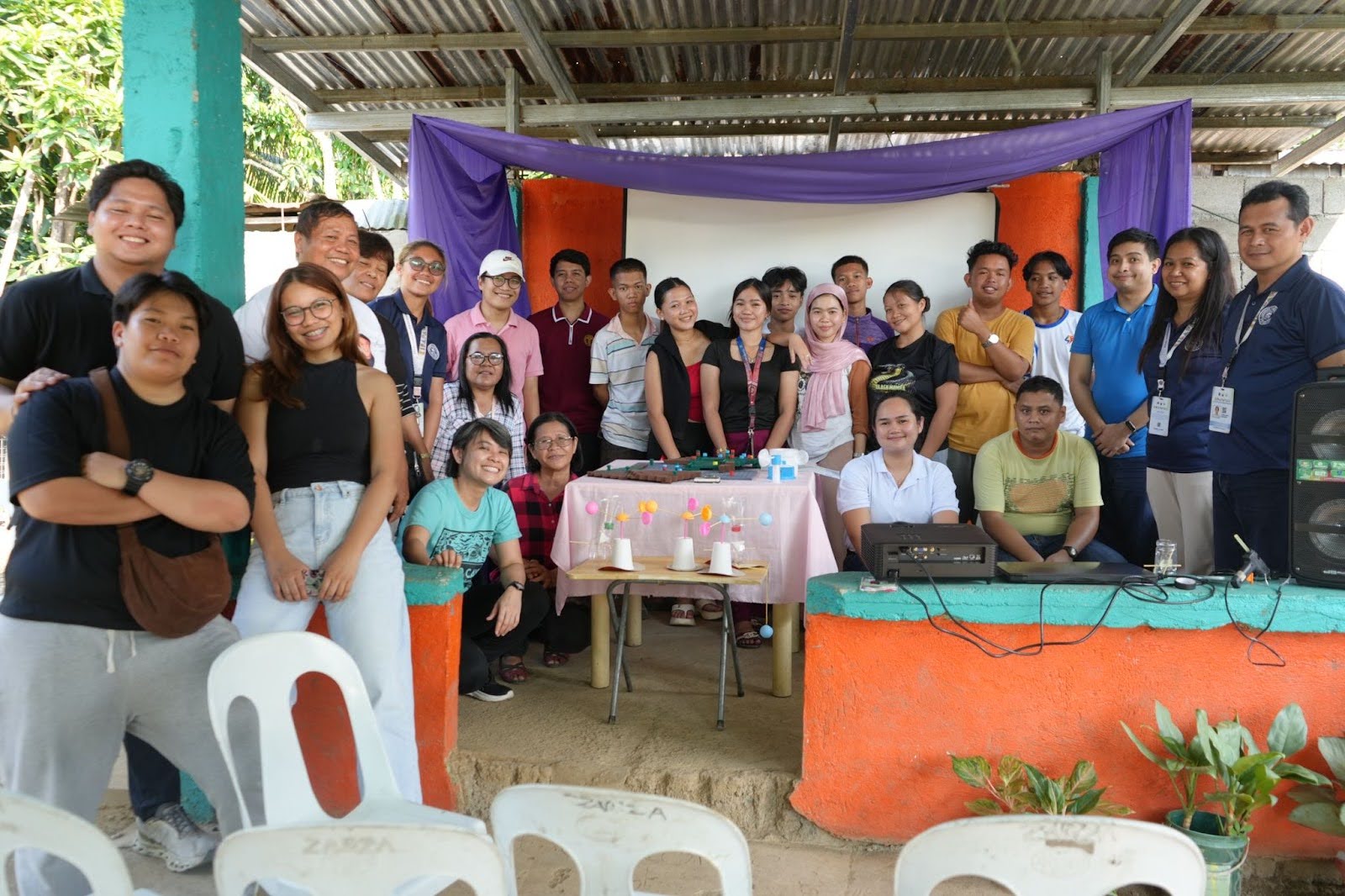
March 30, 2026 —The RURBANISE Innovation Workshop officially commenced its pilot implementation at HOA 1 Resettlement, Purok Sunkist, Barangay Singao, Kidapawan City, marking the first of seven homeowners’ associations (HOAs) set to participate in the initiative. The Innovation Workshop formed part of the WP4 deliverables of the UP Resilience Institute (UP RI) under the RURBANISE Project. It was conducted in partnership with the local HOA partner, HOA 1 Resettlement, reflecting the project’s commitment to co-creating resilience solutions alongside communities and civil society partners.
The workshop opened with a brief introduction by Mr. Irish John Avis, Project Coordinator of UP RI for the RURBANISE Project, who welcomed participants and set the tone for the day. He highlighted the relevance of the workshop activities to everyday life and outlined the expectations: participants would actively explore community hazards, engage in hands-on exercises, collaborate with peers, and reflect on how these experiences can strengthen their neighborhood’s resilience.
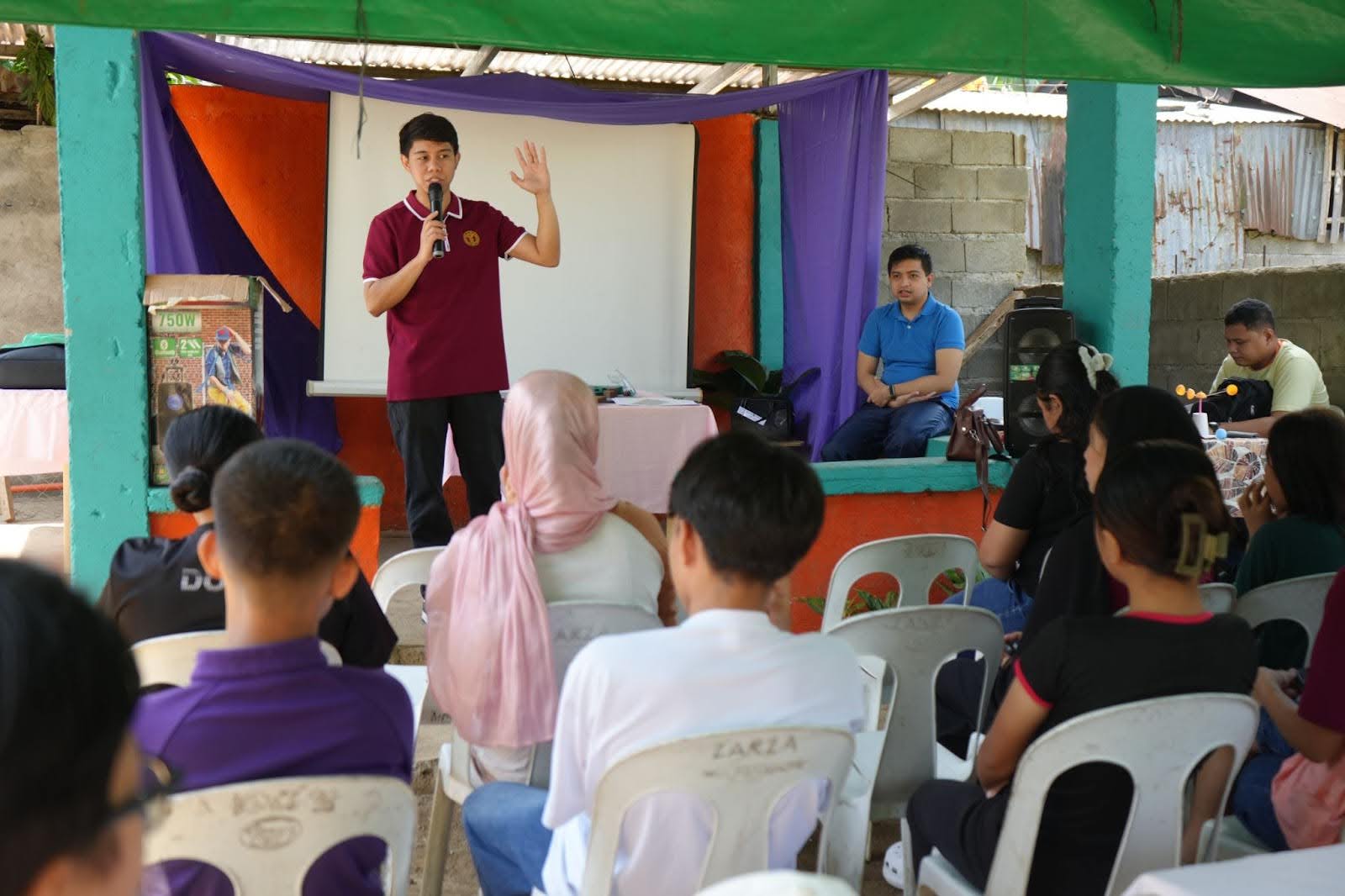
Activity 1: Participatory 3D Mapping of HOA 1
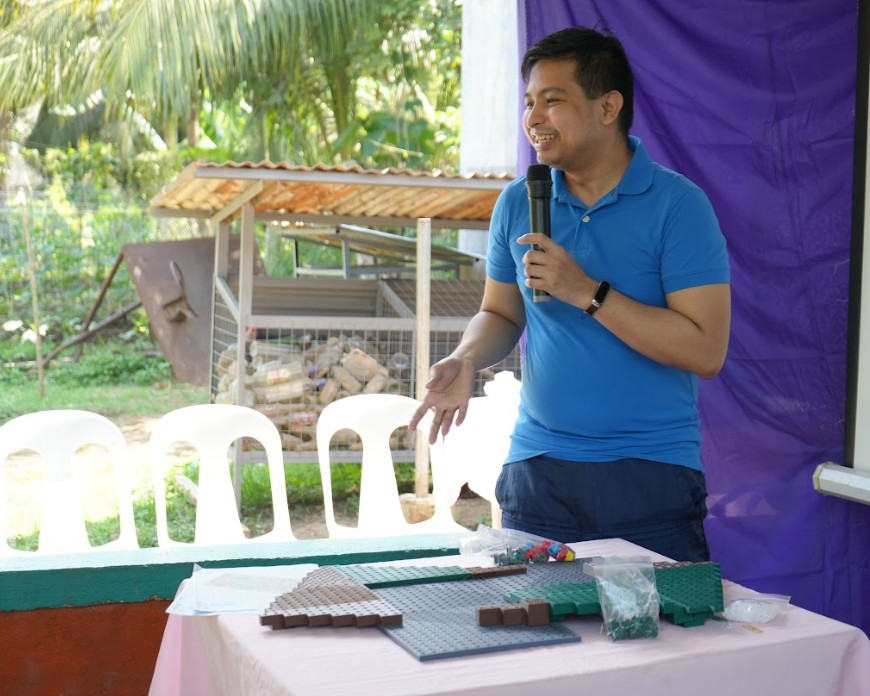
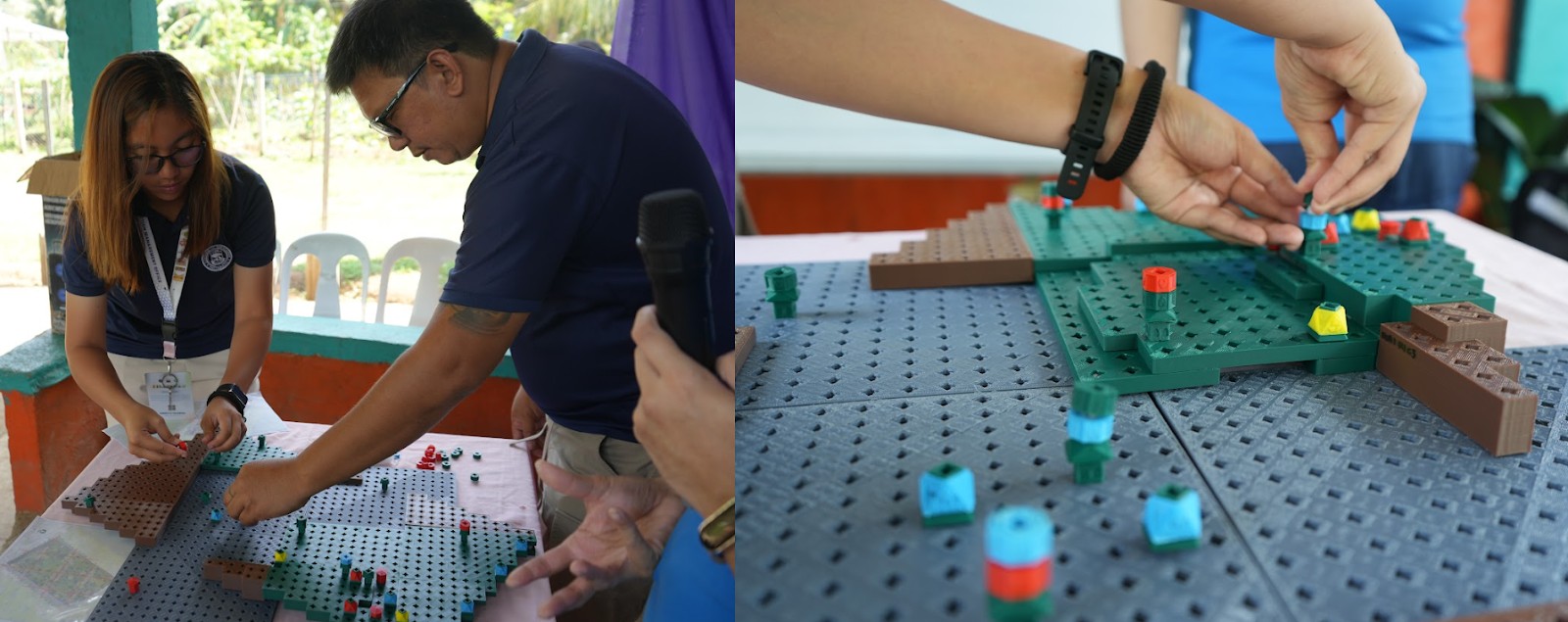
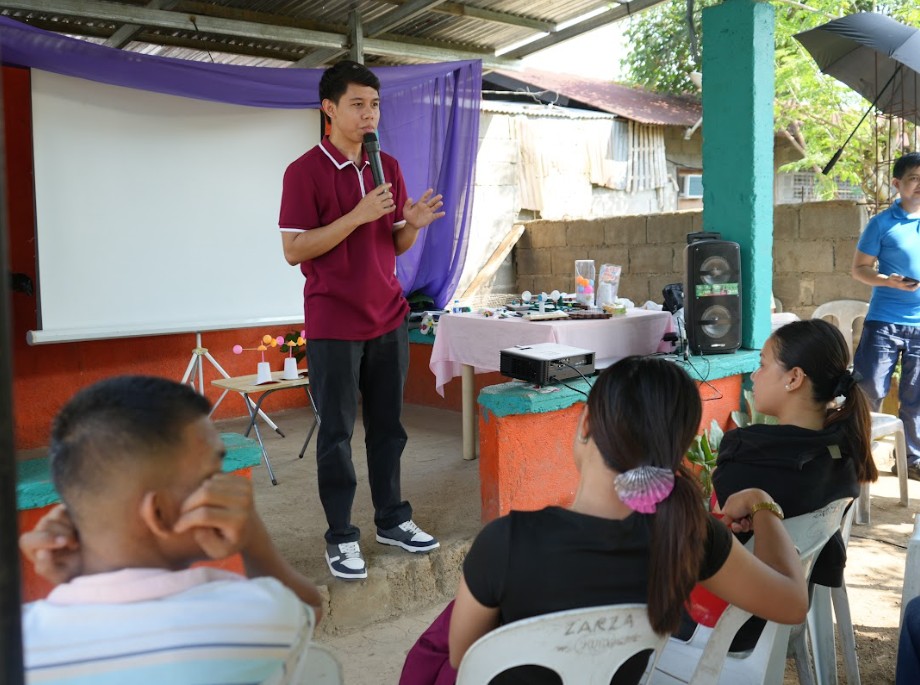
The first activity, led by Mr. Carl Dizon of the RURBANISE Technical Development Team, centered on a 3D Lego-block–like map of HOA 1 Resettlement.
Three volunteers placed house markers on the 3D map to represent existing residential structures within the community. Additional markers were attached to identify important community structures, such as the community center and sari-sari stores.
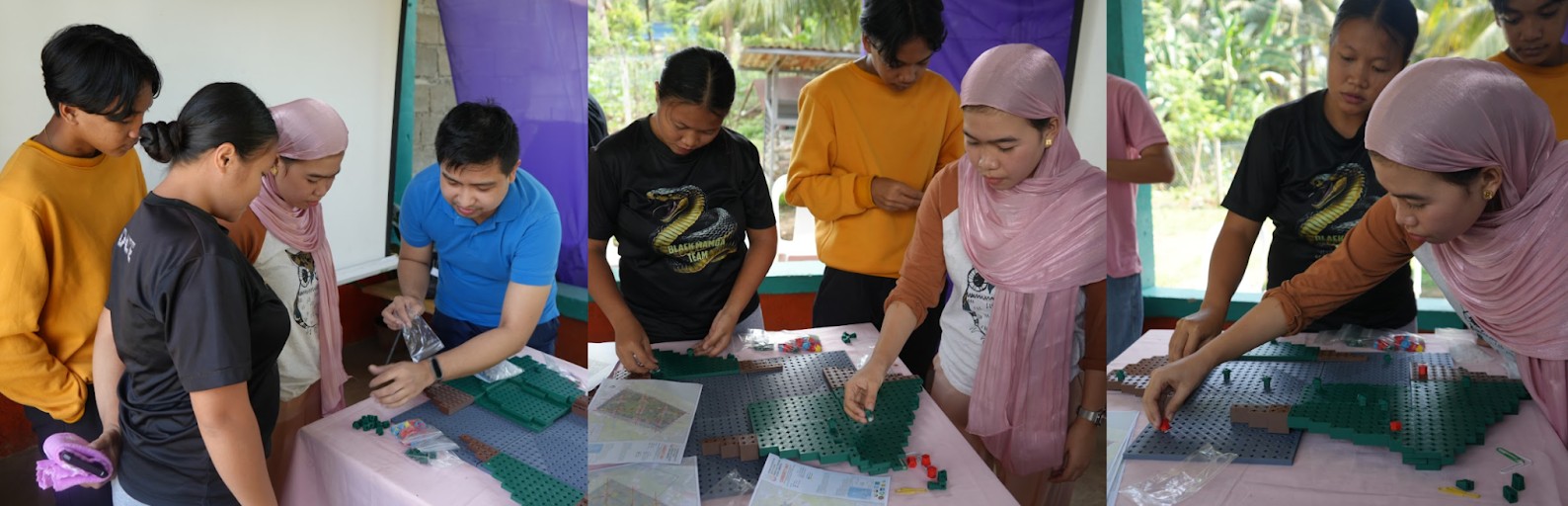
Another set of volunteers identified potential hazards—including flooding, earthquakes, and fire risks—and positioned hazard markers in areas they perceived to be most exposed within the HOA. The exercise drew from residents’ lived experiences, allowing local knowledge to inform the mapping process.
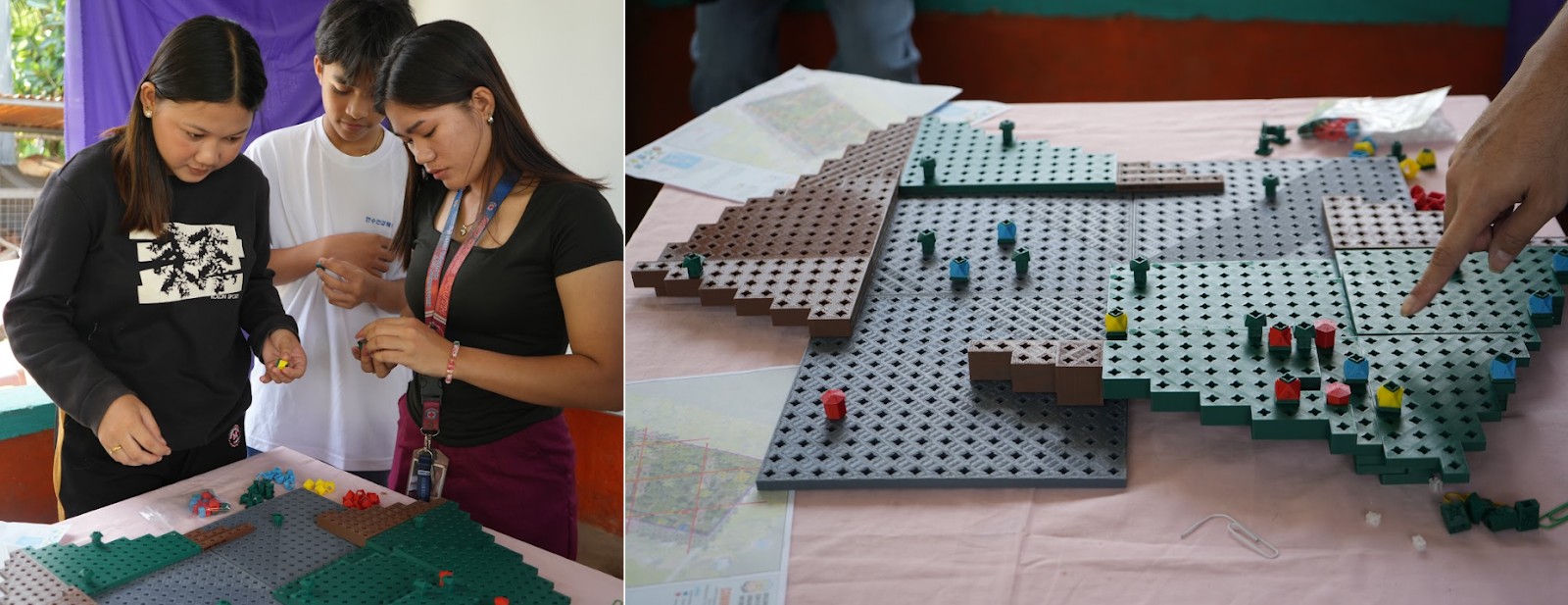
Representatives from the City Disaster Risk Reduction and Management Office (CDRRMO) of Kidapawan City also participated. Two CDRRMO volunteers worked alongside HOA 1 participants to place markers identifying vulnerable groups, including women and children, persons with disabilities (PWDs), and senior citizens. This collaborative validation ensured that both technical expertise and community perspectives were reflected in the outputs.
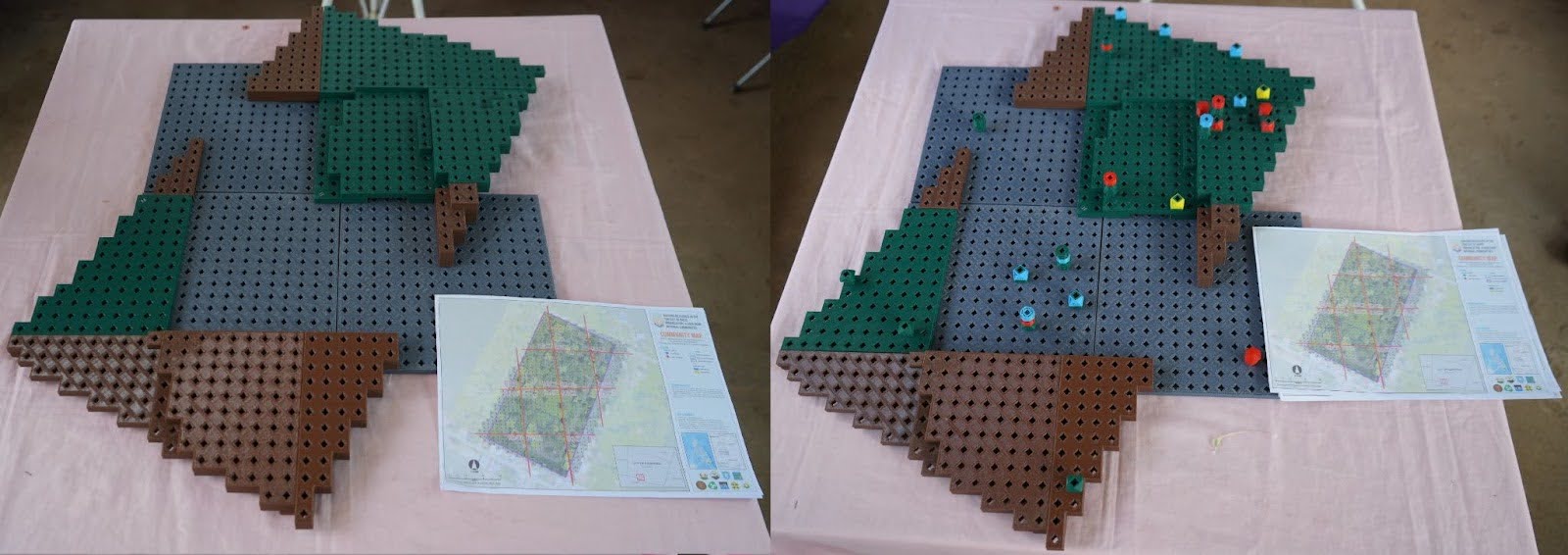
The participatory mapping activity fostered dialogue, increased risk awareness, and strengthened community ownership of localized hazard information.
Activity 2: Understanding Weather-Sensing Devices
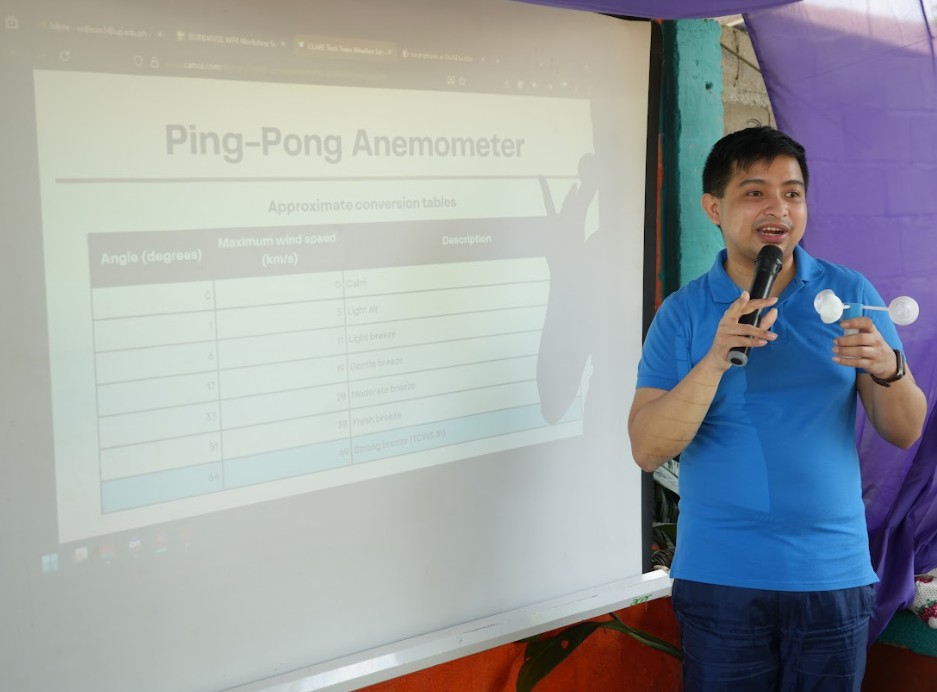
The second activity shifted the focus to community-based weather monitoring. Mr. Jaime Broñozo of the RURBANISE Technical Development Team explained how weather-sensing devices are developed and how they function as components of early warning systems. Participants were introduced to the principles behind localized weather data collection and its significance in disaster preparedness.
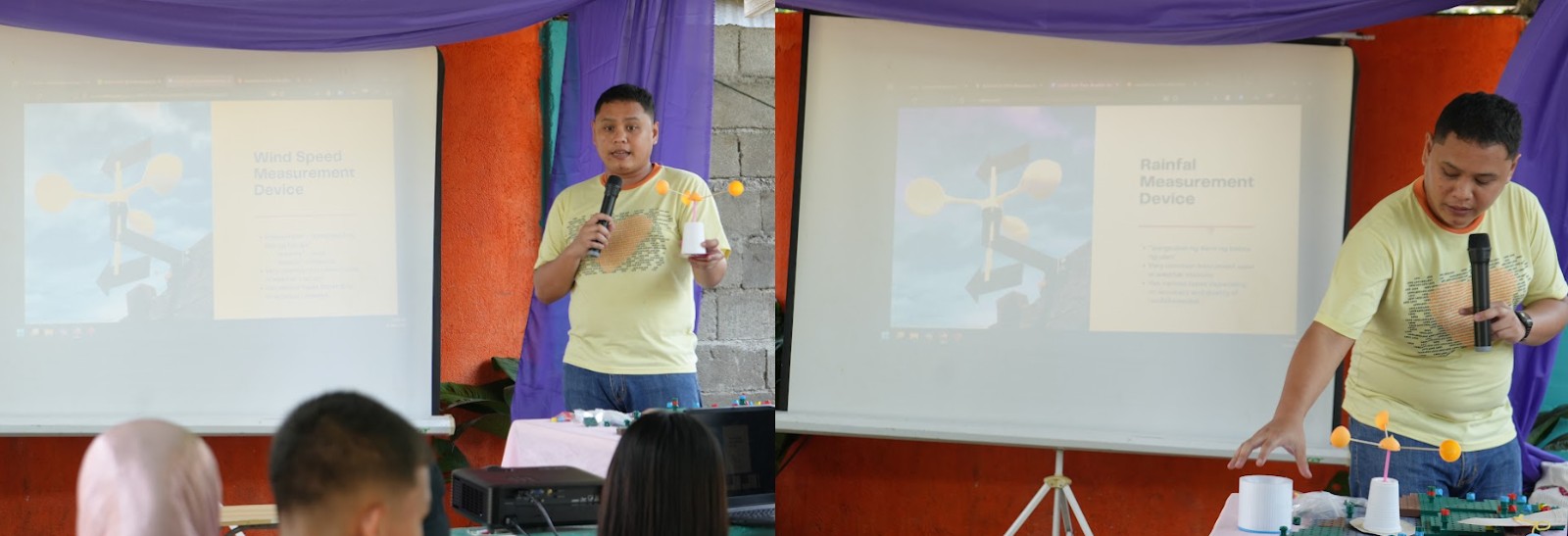
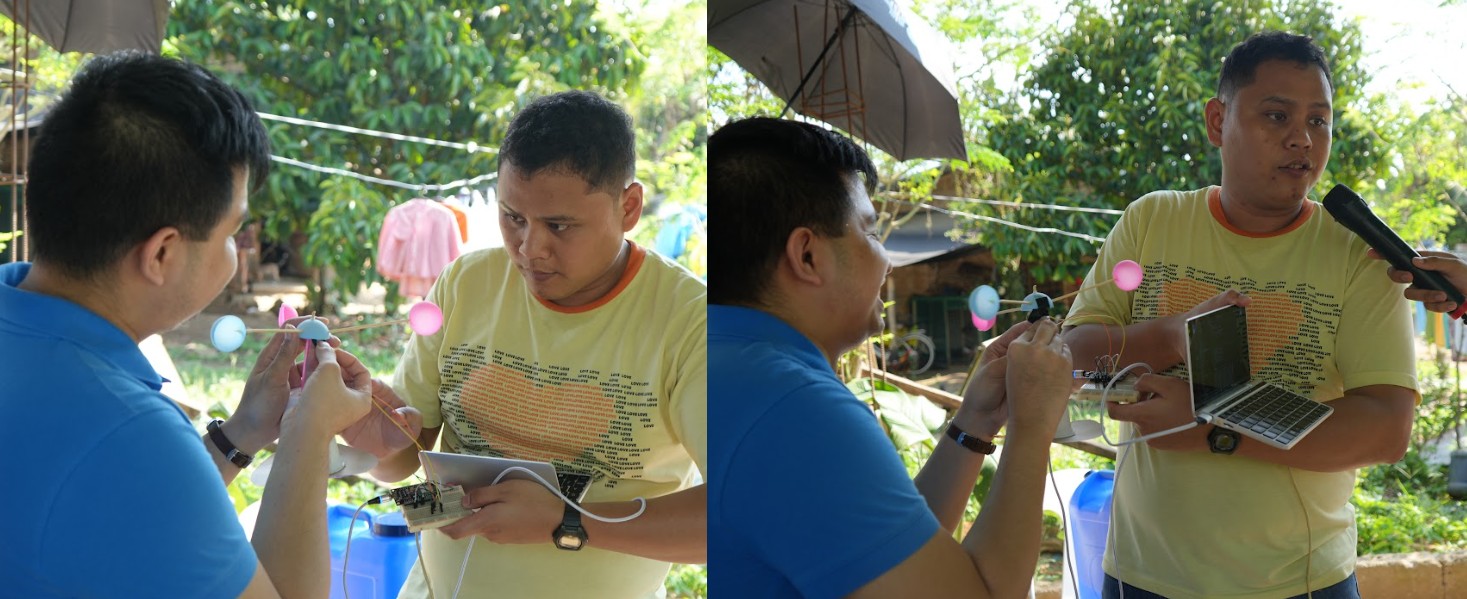
This was followed by a hands-on session led by Mr. Carl Dizon, in which participants were divided into two groups to construct a DIY anemometer—a device used to measure wind speed. Guided step-by-step, participants assembled their units and gained a firsthand understanding of how wind measurements are generated.
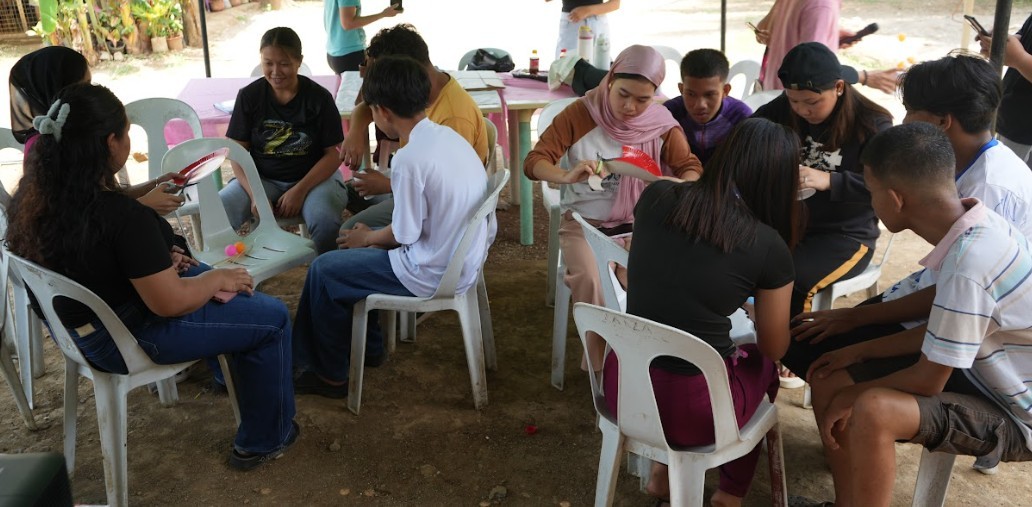
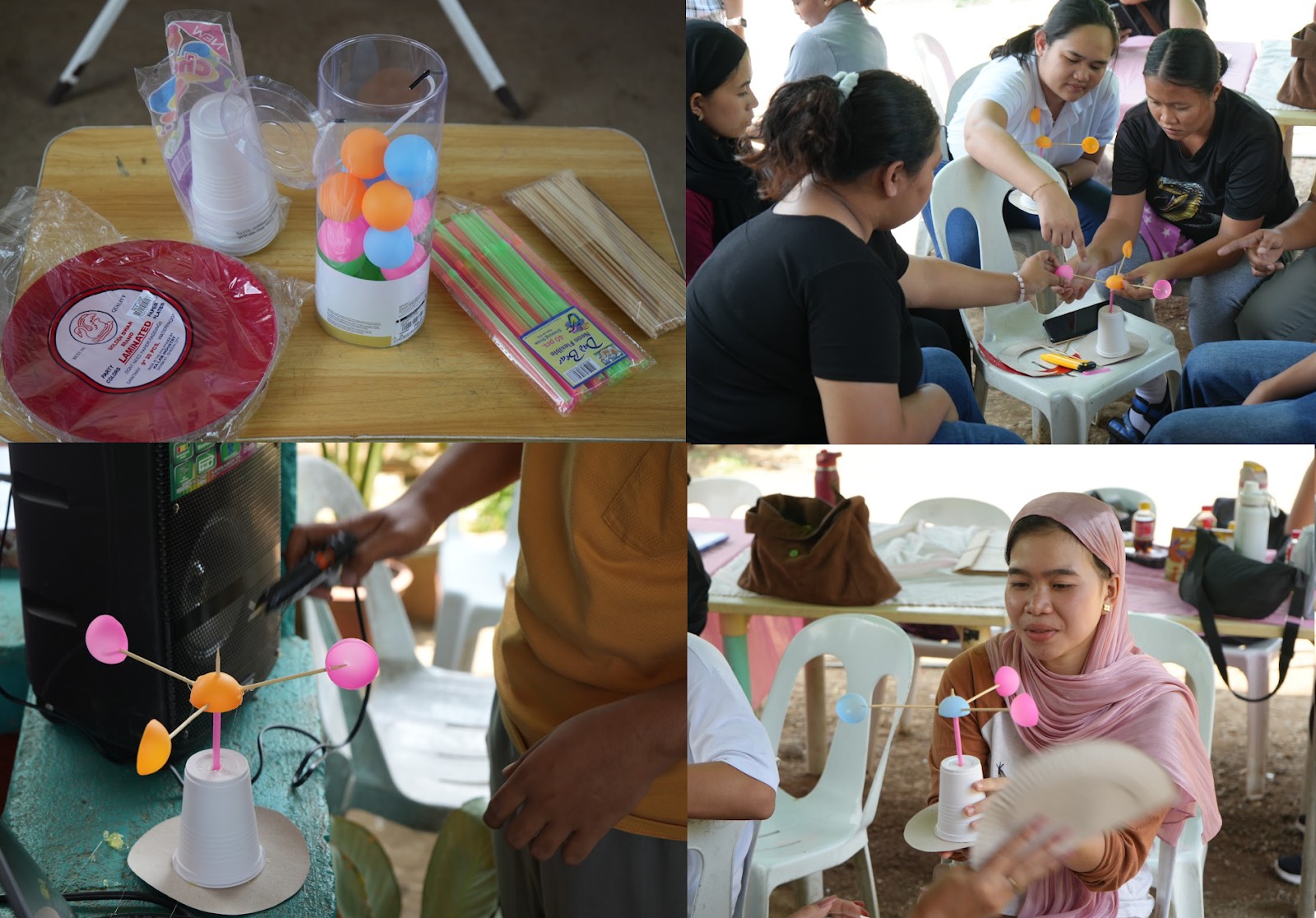
After the activity, participants shared reflections and feedback, expressing appreciation for the interactive and practical learning experience.
Activity 3: Building a DIY Tipping Bucket Rain Gauge
Maintaining the same groupings, participants then constructed a DIY tipping bucket rain gauge used to measure rainfall. The activity demonstrated how rainfall data is collected and translated into actionable information for early warning systems.
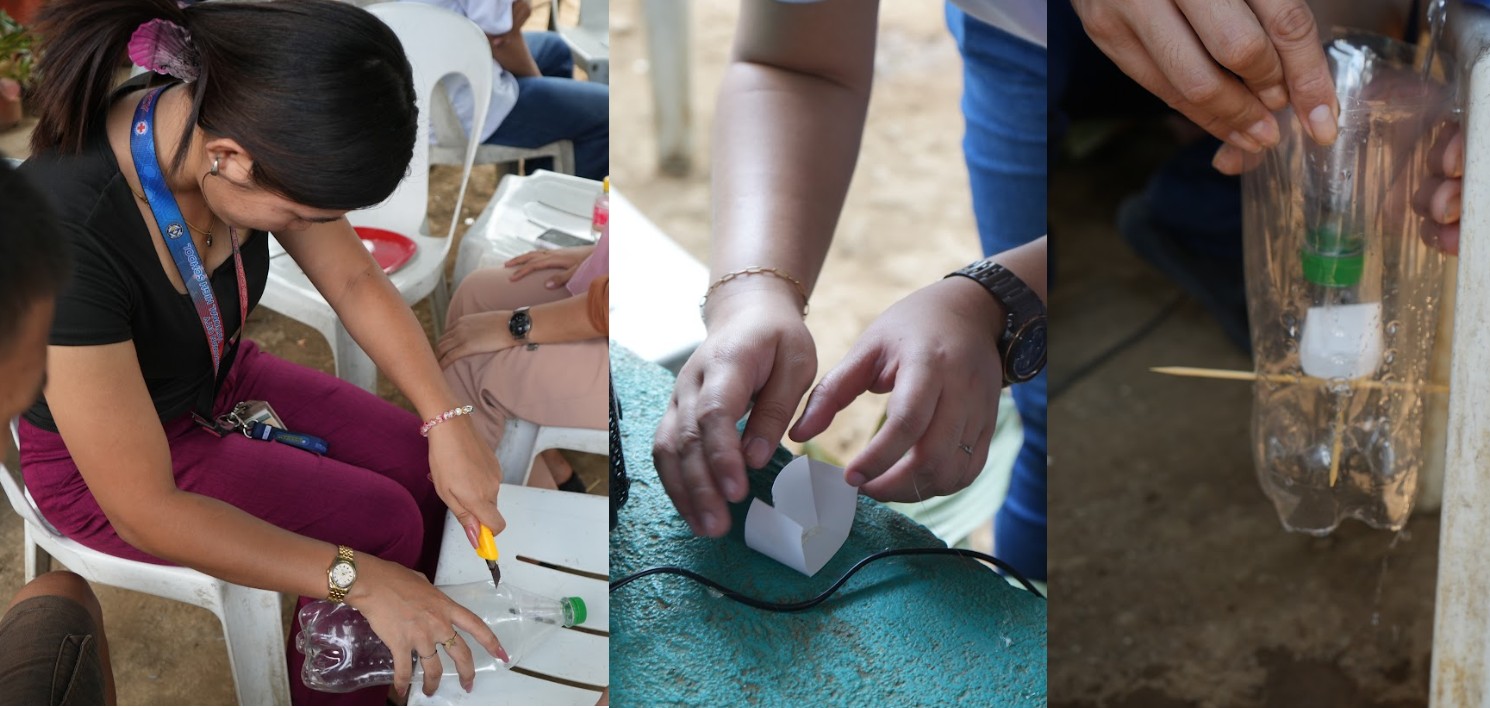
To conclude Activities 2 and 3, the groups tested the functionality of their devices by integrating electronic components that displayed real-time measurements on a screen. Both DIY anemometers were confirmed to be working—an encouraging result that reinforced the technical concepts introduced during the session.
Beyond technical learning, the activities also fostered local empowerment and capacity-building: participants gained practical knowledge they can apply within their own community. By understanding how weather-sensing devices operate and how to interpret data, residents are better equipped to implement early warning measures, make informed decisions, and take proactive actions to protect themselves and their neighbors from climate-related hazards. The exercise highlighted the broader objective of the Innovation Workshop: to cultivate both technical understanding and community resilience, ensuring that the skills and knowledge gained translate into actionable local solutions.
Empowering Youth and Strengthening Community Resilience
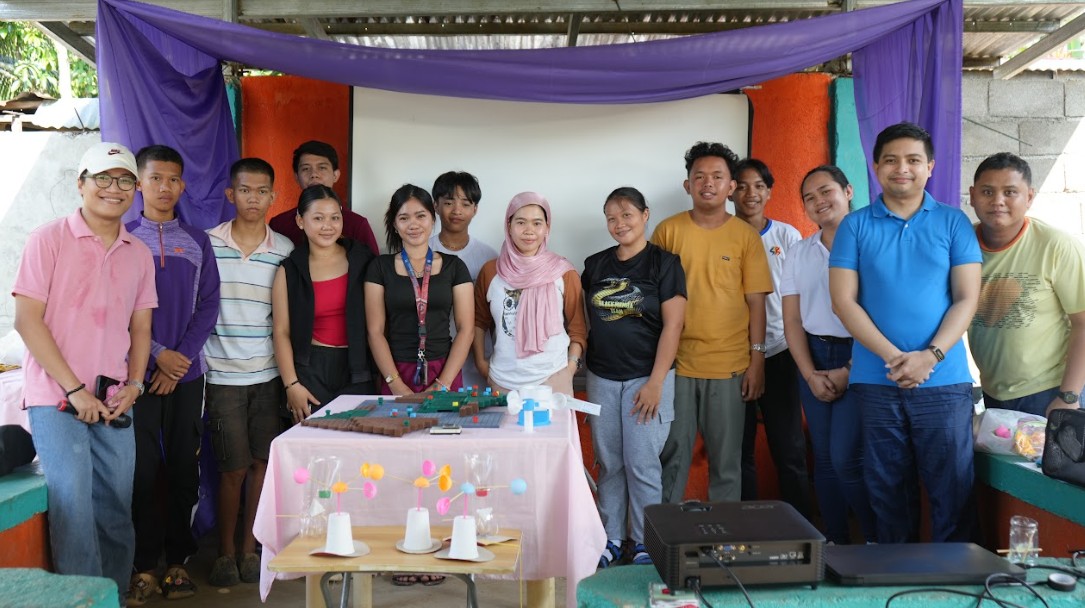
In his closing message, Mr. Irish John Avis reiterated the relevance of the workshop activities in fostering a resilient community. He emphasized the vital role of youth, who comprised a significant portion of the participants, in sustaining long-term resilience efforts. The workshop concluded with reflections from participants and a positive turnout, marking a successful pilot implementation.
—
Partner Representatives Present
The workshop was also attended by key representatives from the partner consortiums, who were present on the day of the event:
- Ms. Emelyn Bermundo, Senior Community Architect, Technical Assistance Movement for People and Environment, Inc. (TAMPEI)
- Mr. Armand Glenn Martin, Mindanao Hub Coordinator, TAMPEI
- Ms. Roshane Queen Bigornia, Finance, Homeless People’s Federation Philippines, Inc. (HPFPI)-Davao
- Ms. Maria Ysabelle Pangilinan, Project Assistant, Philippine Action for Community-led Shelter Initiatives, Inc. (PACSII)
- Ms. Gabrielle Eden L. Donato, Field Coordinator, PACSII
Their presence highlighted the collaborative and participatory nature of the initiative, reinforcing the value of partnership in building resilient communities.
About the RURBANISE Project
The RURBANISE Project is a multi-sectoral research initiative supported by the Climate Adaptation and Resilience (CLARE) Programme—a partnership between the United Kingdom’s Foreign, Commonwealth & Development Office (FCDO) and Canada’s International Development Research Centre (IDRC).
RURBANISE brings together six consortium partners, each contributing distinct expertise toward a shared advocacy: strengthening effective responses for climate adaptation and resilience that acknowledge and build upon the lived experiences and capacities of residents of informal settlements in the Philippines amid rapid urbanization and intensifying climate risks.
Consortium Partners
- Lead Organization: Technical Assistance Movement for People and Environment, Inc. (TAMPEI)
- International Academic Partner: University of Sheffield Urban Institute
- Community-Led Housing: Homeless People’s Federation Philippines, Inc. (HPFPI) through Philippine Action for Community-led Shelter Initiatives, Inc. (PACSII)
- Environmental Research: Institute of Environmental Science for Social Change (ESSC)
- Strategic Planning and Resilience: University of the Philippines Resilience Institute (UPRI) through University of the Philippines Public Administration Foundation, Inc. (UPPAF), and the School of Urban and Regional Planning (SURP) through Planning and Development Research Foundation, Inc. (PLANADES)
Through this collaborative framework, the RURBANISE Project advances participatory research, environmental science, strategic planning, and community-led innovation, ensuring that resilience-building efforts remain inclusive, evidence-based, and grounded in local realities.