
By: April Dawn F. Tegelan
Climate and disaster risks are often understood through maps, data, and technical reports. For local governments, however, the real challenge lies in translating these into concrete and actionable decisions. In many cases, the question is no longer just “what are the risks”, but “what do these risks mean for communities, and what can be done about them.”
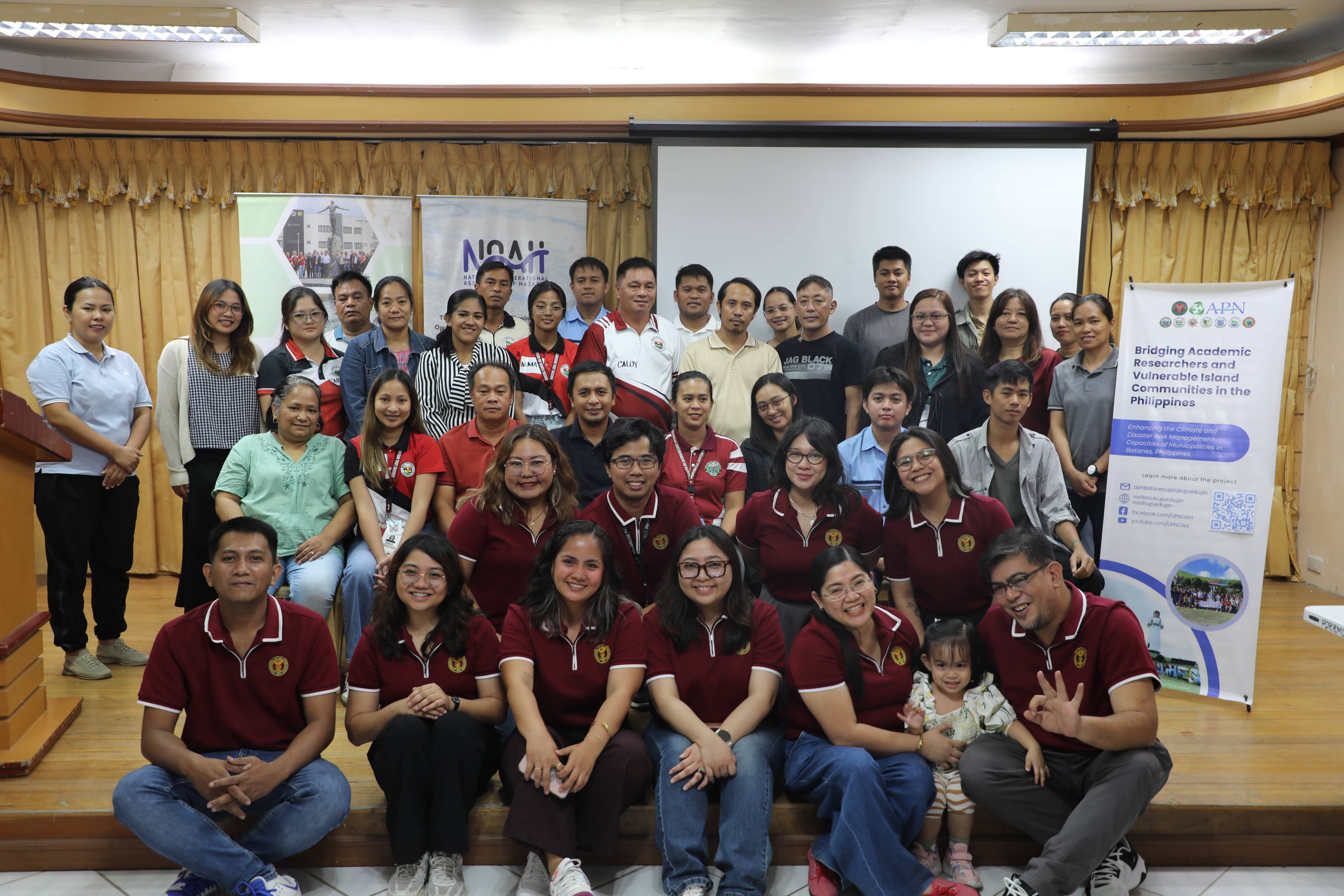
This shift from assessment to action was at the core of a recent workshop conducted under the project “Bridging Academic Researchers and Vulnerable Island Communities in the Philippines: Enhancing the Climate and Disaster Risk Management Capacities of Municipalities in Batanes.” Building on earlier activities on Climate and Disaster Risk Assessment or CDRA, the “Identifying Risk-Sensitive Policy Interventions and Entry Points for Mainstreaming Climate and Disaster Risk Assessment into Local Plans” held last 13 April 2026 at the Human Resource Training Center, at the Provincial Capitol of Batanes in the Municipality of Basco, focused on validating results, understanding their implications, and identifying practical risk management strategies grounded in local realities.
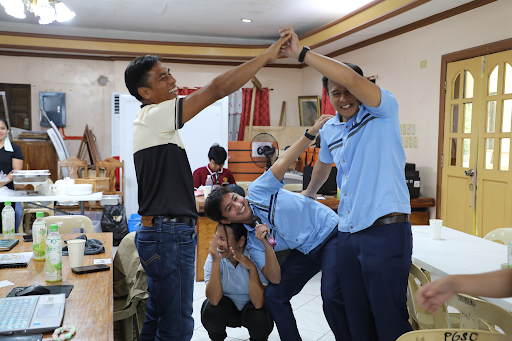
The workshop opened with a presentation of the initial CDRA results, covering hazards, exposure, and vulnerability across key sectors. Rather than treating these as final outputs, participants were encouraged to view them as working results shaped by both data and experience. Through a validation activity, local stakeholders revisited the findings and grounded them in what they see and encounter in their own communities. This process revealed important nuances, from site specific flooding patterns to differences in vulnerability across barangays. It became clear that risk is not only measured through models, but also understood through lived realities.
From here, the conversation shifted from what the risks are to what they mean. Participants unpacked how hazards translate into real world impacts, affecting not only infrastructure, but also livelihoods, access to services, and daily life. This shift in perspective highlighted how risks are interconnected and cannot be addressed in isolation.
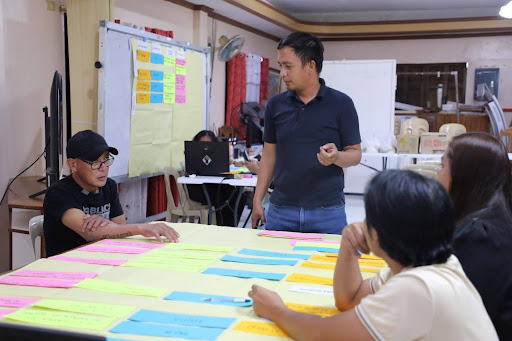
The discussions then moved toward action. Participants worked through the technical findings and began identifying interventions that could be integrated into local plans. What emerged was not a need to start from zero, but an opportunity to strengthen what is already being done. Many existing practices, when aligned with scientific insights, can serve as strong foundations for resilience building.
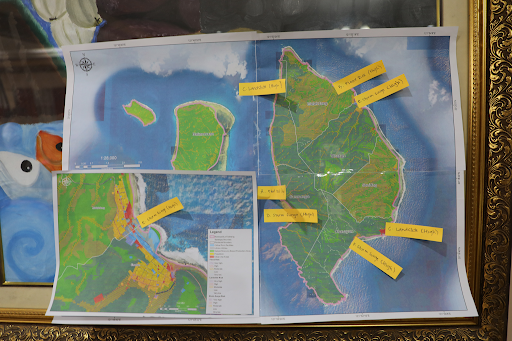
The final session focused on mapping Major Development Areas and corresponding risk management options. By linking risks with specific areas for intervention, participants were able to visualize where actions can be prioritized. In doing so, the assessment became more firmly grounded in planning and decision making, allowing local governments to move more deliberately from analysis to implementation.
As the workshop came to a close, one message stood out. Risk assessments are only as valuable as the actions they inform. More than a technical exercise, the session showed that effective climate and disaster risk management is a participatory and evolving process. It requires continuous validation, critical reflection, and the ability to translate complex data into meaningful action.
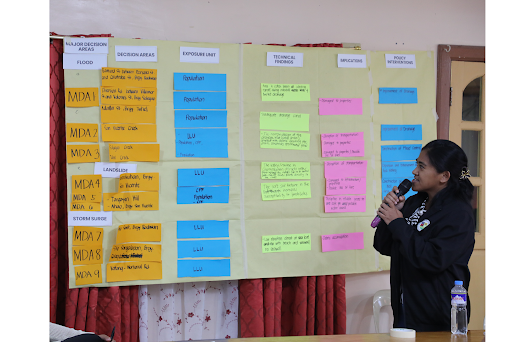
As the municipalities of Batanes move forward, the challenge and opportunity lie in embedding these insights into everyday governance. In doing so, risk assessments evolve from static documents into living tools that guide decisions, protect communities, and support resilient development.
In the end, resilience is not only about understanding risks, but about acting on them, grounded in both science and the realities of the communities they aim to serve.