
by Aira Joy C. Delos Angeles, Irish Avis, Carl Dizon, and Jaime Broñozo
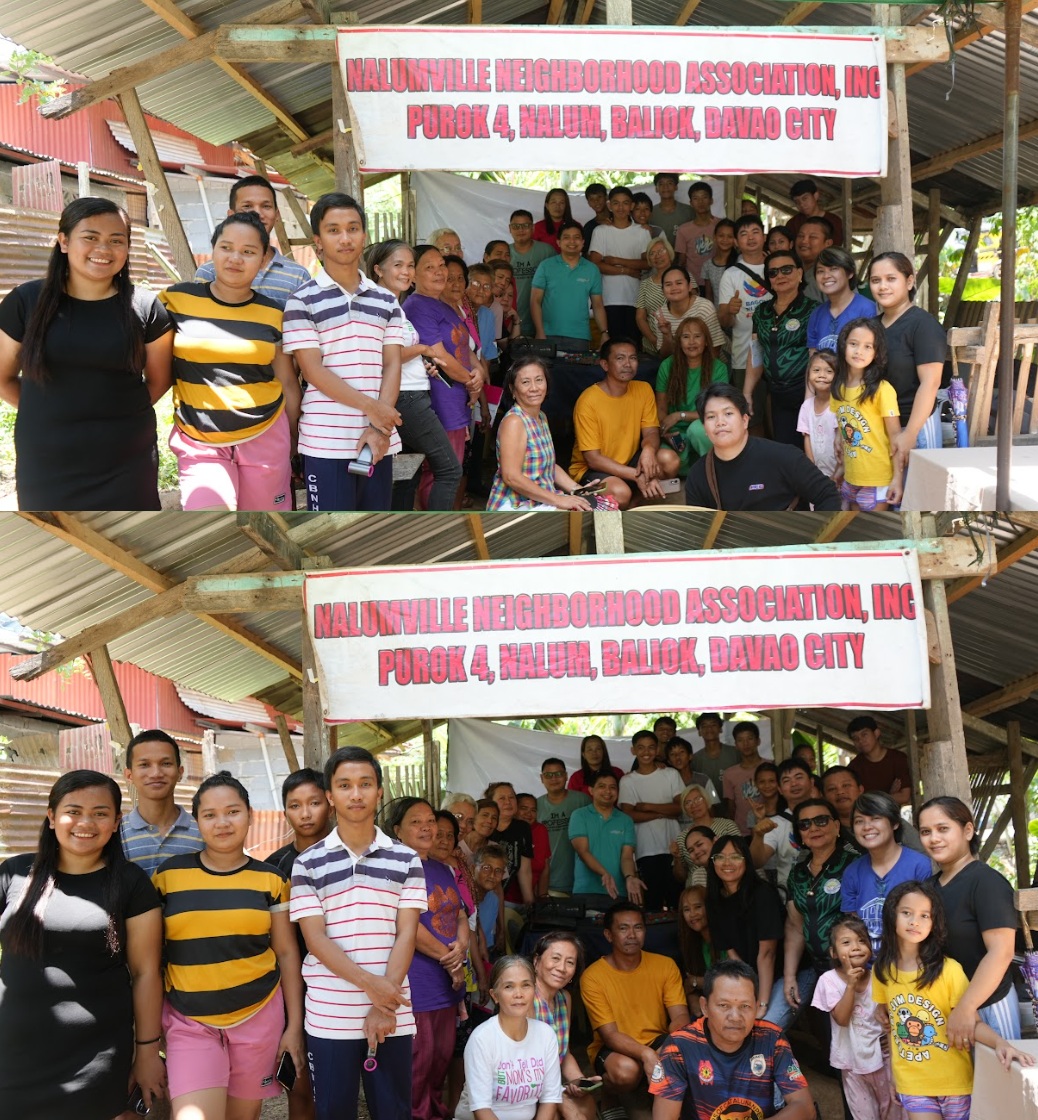
Following the successful pilot of the RURBANISE WP4 Innovation Workshop in HOA 1 Resettlement, Kidapawan City, on March 30, 2026 (read more through this link), the initiative was subsequently rolled out in Nalumville HOA, Barangay Baliok, Davao City, on April 1, 2026, further advancing efforts to strengthen community-based resilience in vulnerable settlements.
The RURBANISE Innovation Workshop was organized by the University of the Philippines Resilience Institute (UPRI) in collaboration with the Technical Assistance Movement for People and Environment, Inc. (TAMPEI) and the Homeless People’s Federation Philippines, Inc. (HPFPI), in partnership with the Nalumville Homeowners Association. This activity demonstrates the project’s ongoing commitment to collaboratively developing resilience solutions with communities and civil society partners.
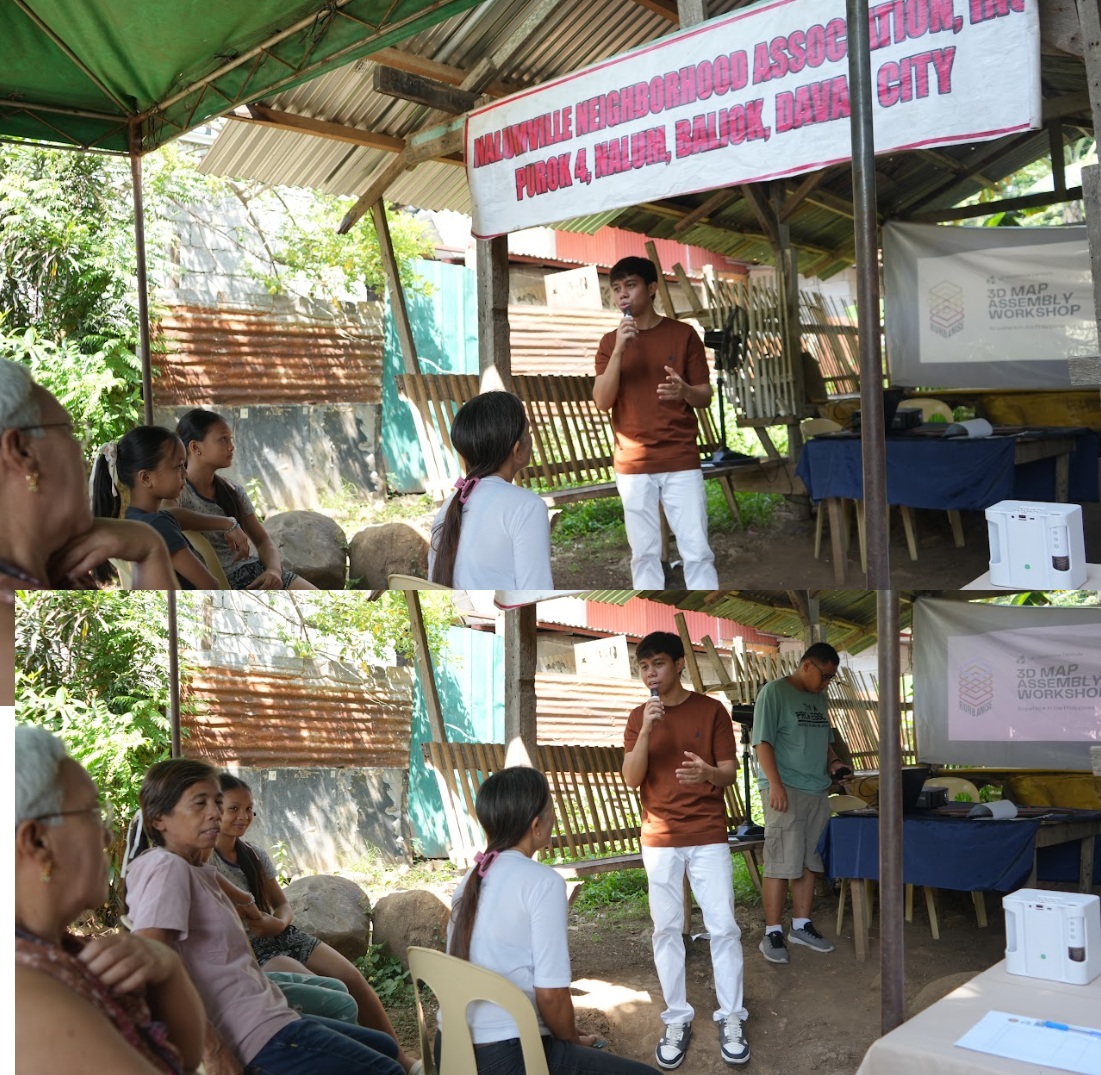
The workshop began with an introduction from Mr. Irish John Avis, Project Coordinator of UP RI for the RURBANISE Project, who emphasized the importance of participatory tools such as 3D mapping in enhancing local decision-making. He stressed that building resilience is a shared responsibility that should be cultivated collectively, while also empowering individuals, especially the youth, to become future leaders in their community.
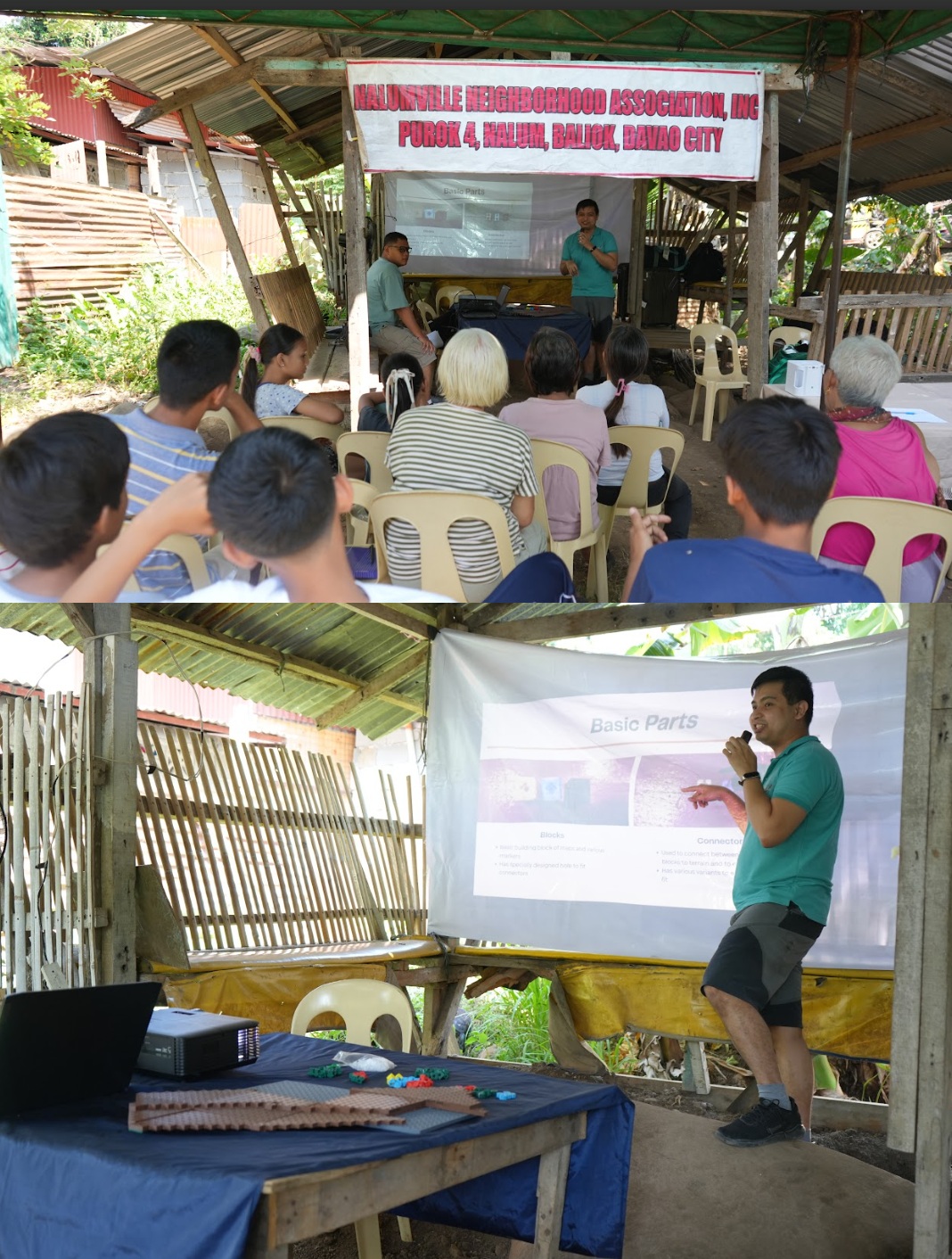
Building on this foundation, Mr. Carl Dizon of the RURBANISE Technical Development Team facilitated a hands-on mapping activity using a 3D model of the community. Residents actively participated by placing markers to represent existing houses and key establishments, such as community centers and sari-sari stores. This participatory exercise enabled participants to visualize their assets and resources within their environment. Representatives from the City Disaster Risk Reduction and Management Office (CDRRMO) of Davao City joined the activity to assist residents in identifying hazard-prone areas. Together, they marked locations that were susceptible to flooding, earthquakes, and fire risks, further enriching the community’s understanding of localized hazards.
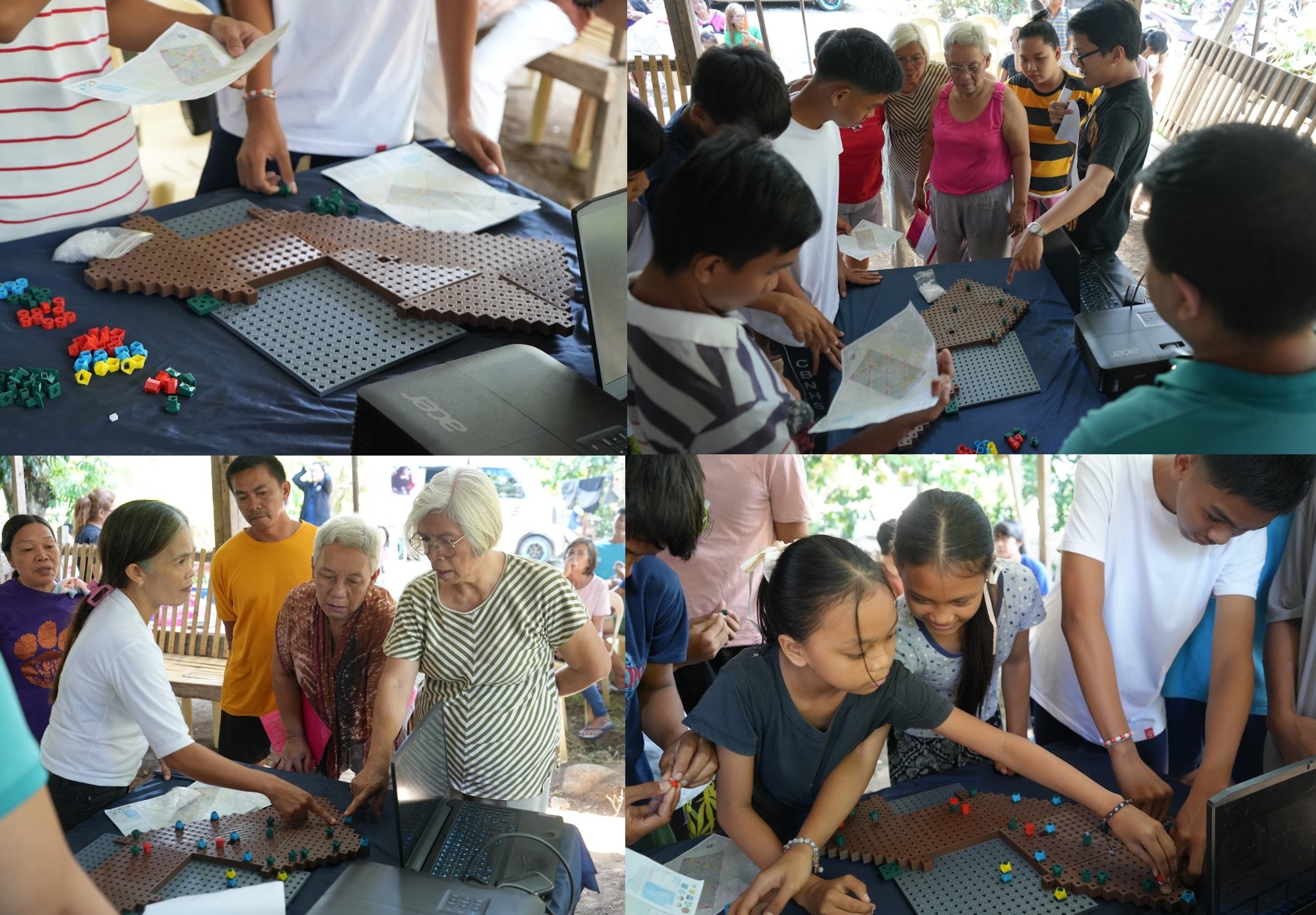
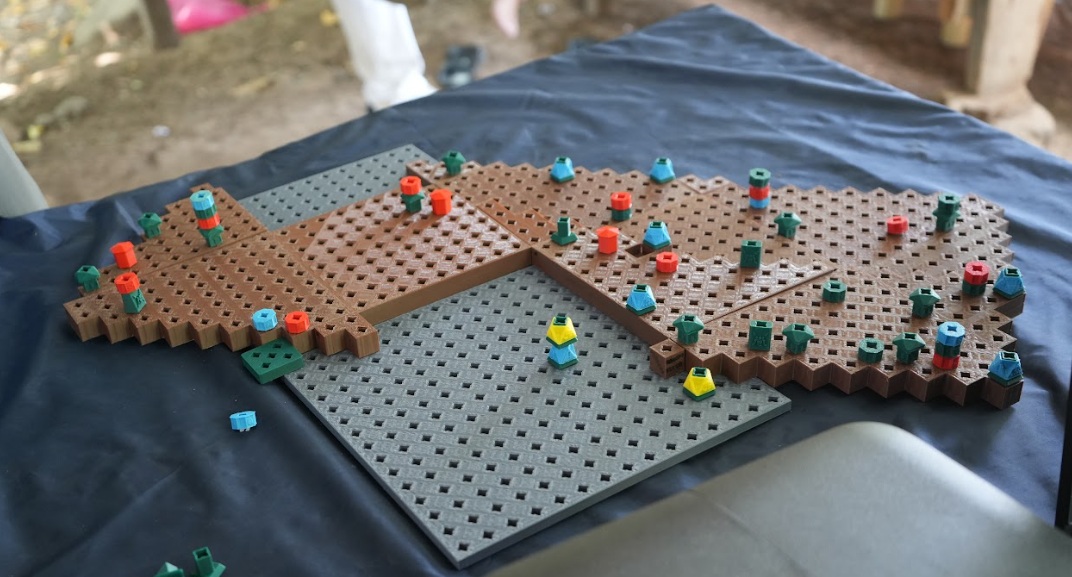
The activity also placed strong emphasis on inclusivity. Participants collectively identified and marked households with vulnerable populations, including persons with disabilities (PWDs), senior citizens, pregnant and lactating women, and children. This process not only enhanced the accuracy of the community map but also deepened awareness of the distribution and needs of at-risk groups. Notably, the exercise revealed a significant number of senior citizens within the community, an insight that prompted discussions on targeted support and preparedness strategies for this sector.
In his closing remarks, Mr. Avis reflected on the workshop’s mission of strengthening community resilience. He highlighted a key realization among HOA members regarding the substantial number of senior citizens present, reinforcing the value of inclusive and accurate mapping. The resulting output now serves as a vital tool for identifying vulnerable residents and guiding more targeted preparedness efforts that address their specific needs.
Overall, the RURBANISE Innovation Workshop in Nalumville fostered a stronger sense of ownership, awareness, and collective responsibility among residents through participatory mapping and collaborative learning. As communities continue to engage in these activities, they become better equipped to anticipate risks, protect vulnerable sectors, and develop sustainable resilience solutions grounded in local knowledge and experience.
—
About the RURBANISE Project
The RURBANISE Project is a multi-sectoral research initiative supported by the Climate Adaptation and Resilience (CLARE) Programme—a partnership between the United Kingdom’s Foreign, Commonwealth & Development Office (FCDO) and Canada’s International Development Research Centre (IDRC).
RURBANISE brings together six consortium partners, each contributing distinct expertise toward a shared advocacy: strengthening effective responses for climate adaptation and resilience that acknowledge and build upon the lived experiences and capacities of residents of informal settlements in the Philippines amid rapid urbanization and intensifying climate risks.
Consortium Partners
- Lead Organization: Technical Assistance Movement for People and Environment, Inc. (TAMPEI)
- International Academic Partner: University of Sheffield Urban Institute
- Community-Led Housing: Homeless People’s Federation Philippines, Inc. (HPFPI) through Philippine Action for Community-led Shelter Initiatives, Inc. (PACSII)
- Environmental Research: Institute of Environmental Science for Social Change (ESSC)
- Strategic Planning and Resilience: University of the Philippines Resilience Institute (UPRI) through University of the Philippines Public Administration Foundation, Inc. (UPPAF), and the School of Urban and Regional Planning (SURP) through Planning and Development Research Foundation, Inc. (PLANADES)
Through this collaborative framework, the RURBANISE Project advances participatory research, environmental science, strategic planning, and community-led innovation, ensuring that resilience solutions are tailored to the unique challenges faced by these communities.