
Written by Ma. Shara Micah Oliquino; photos by Lizeth Gutierrez, UPRI Education Division
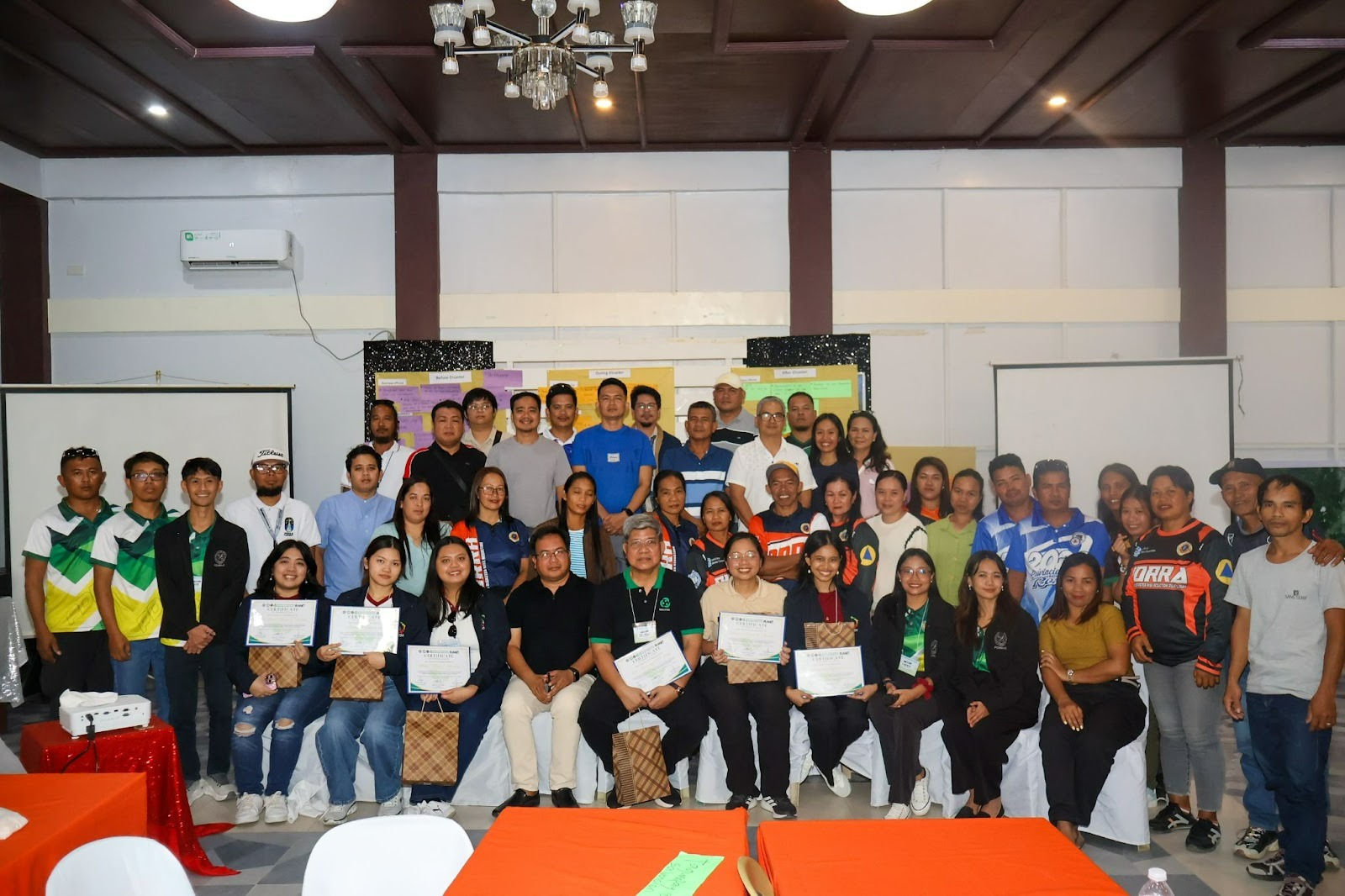
A two-day capacity development workshop titled “Disaster Risk Reduction, Planning, and Climate Change Adaptation: Enhancing Palawan’s Resilience through Science-Based Ecosystem Assessment” was held in Roxas, Palawan from 23 to 24 March 2026. Organized and facilitated by the Palawan Provincial Disaster Risk Reduction and Management Office (PDRRMO) in partnership with the UP Resilience Institute (UPRI), the workshop convened local government representatives, barangay officials, and community volunteers from the municipality and nearby areas. The workshop focused on strengthening community preparedness for disasters, particularly in areas severely affected by Bagyong Tino and those frequently experiencing flooding and other natural hazards.
Participants included representatives from the Municipality of Roxas, Palawan, including the Municipal Disaster Risk Reduction and Management Office, Municipal Planning and Development Office, and Municipal Environment and Natural Resources Office. Barangay officials from Caramay and New Cuyo, along with community volunteers such as CDAG members, actively participated in the sessions. Participants from other municipalities, including Narra, San Vicente, Brooke’s Point, Sofronio Española, and El Nido, also joined the workshop, allowing for the exchange of experiences and strengthening coordination and risk reduction efforts across Palawan.
With UPRI serving as resource speakers, the workshop was designed to deepen participants’ understanding of environmental and ecosystem assessment, strengthen their knowledge of disaster governance at the local level, and build practical skills in risk assessment, mapping, and local development planning. It emphasized that resilience begins with communities, requiring early and proactive action rather than responding only after disasters occur.
Highlights from the first day of the workshop
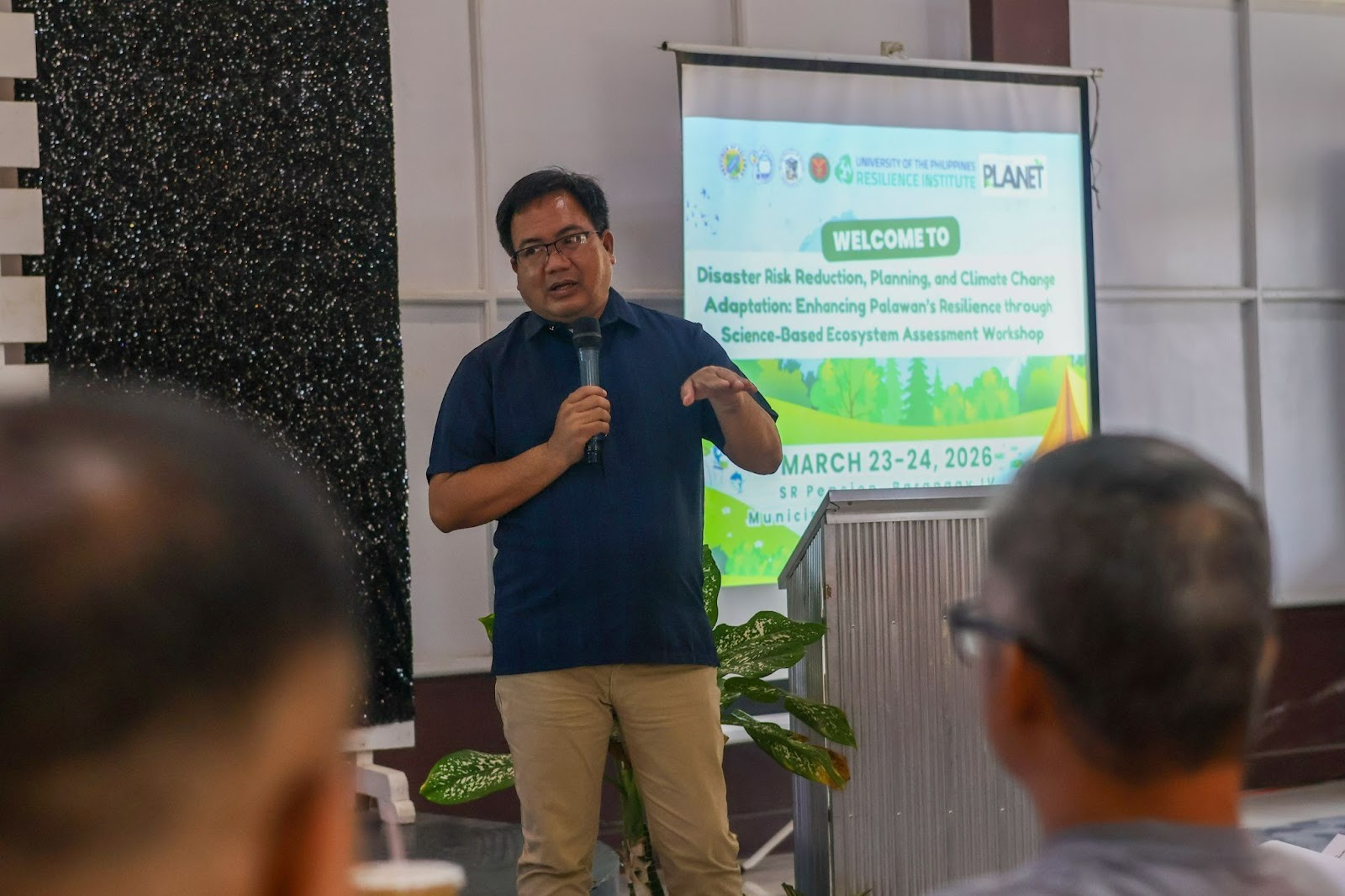
During the first day of the workshop, Palawan PDRRM Officer Jeremias Y. Alili warmly welcomed the participants, highlighting the importance of grounding disaster risk reduction efforts in the lived realities of communities. Reflecting on the impacts of Bagyong Tino, he underscored that planning should not remain confined within offices, but must be informed by what people actually experience on the ground. He noted that some initiatives risk becoming routine or “transactional” in nature, such as tree planting or infrastructure projects, which, while well-intentioned, do not always result in meaningful change.
Furthermore, Mr. Alili highlighted how disaster risk reduction efforts often go unnoticed, noting, “DRRM is something we do that doesn’t make headlines, but when there is a casualty, it immediately becomes news..” This, he explained, shows the need to go beyond one-time efforts and focus on solutions that truly support communities in the long term. He stressed the importance of preventing disasters, not just responding to them, especially given the limitations in local resources, encouraging participants to better understand their environment and consider nature-based solutions as practical ways to reduce risks.
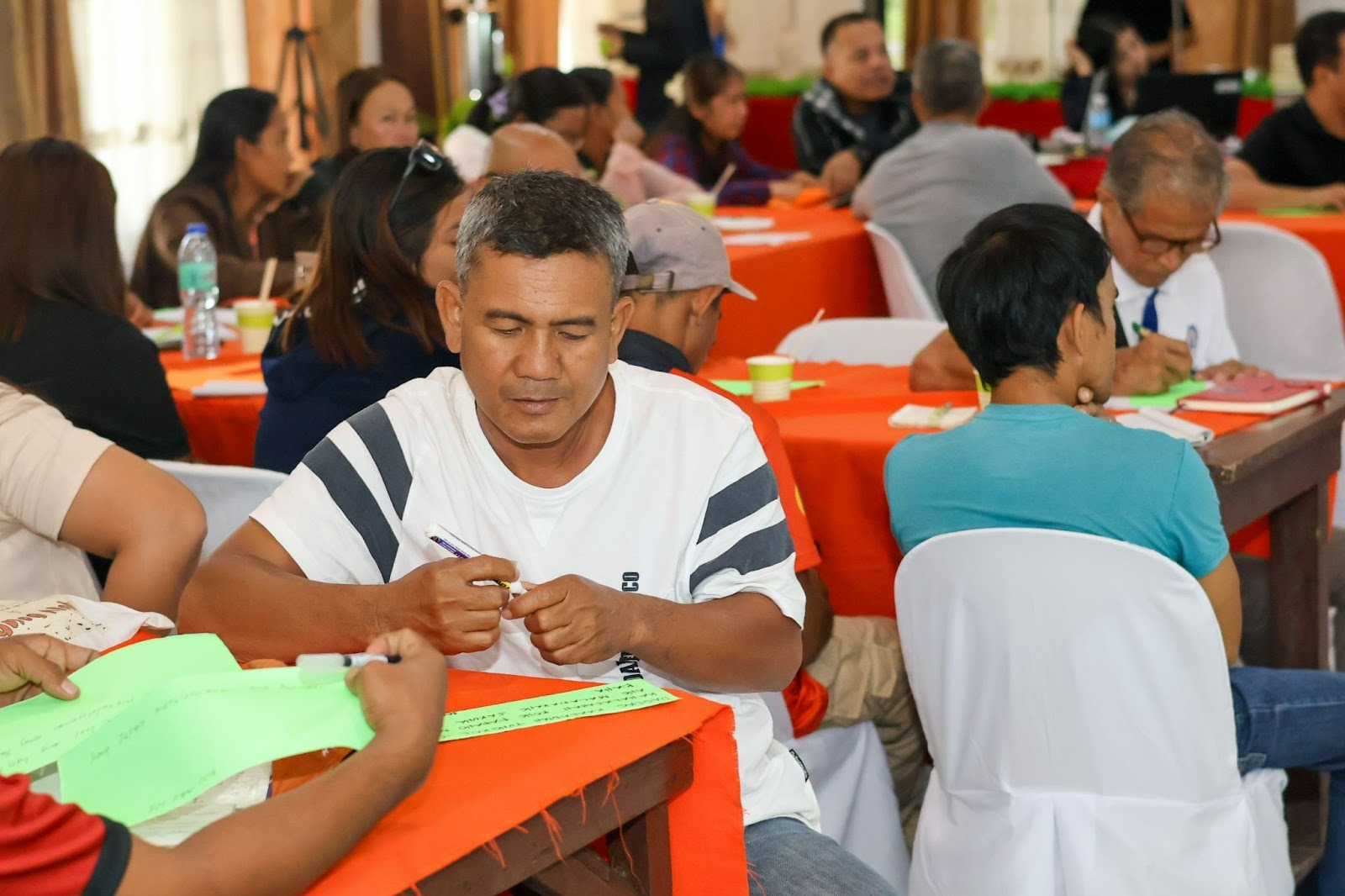
Prior to the lecture sessions, participants were given the opportunity to share their expectations and learning goals for the workshop. Through an expectation-setting activity using metacards, participants expressed a range of intended takeaways, including identifying ways to prevent or mitigate flooding, understanding climate change and its impacts, and strengthening local preparedness and response strategies. These insights and expectations helped shape the discussions in the lecture sessions that followed, where participants explored key concepts on environmental and ecosystem assessment, disaster governance, and hazard risk assessment.
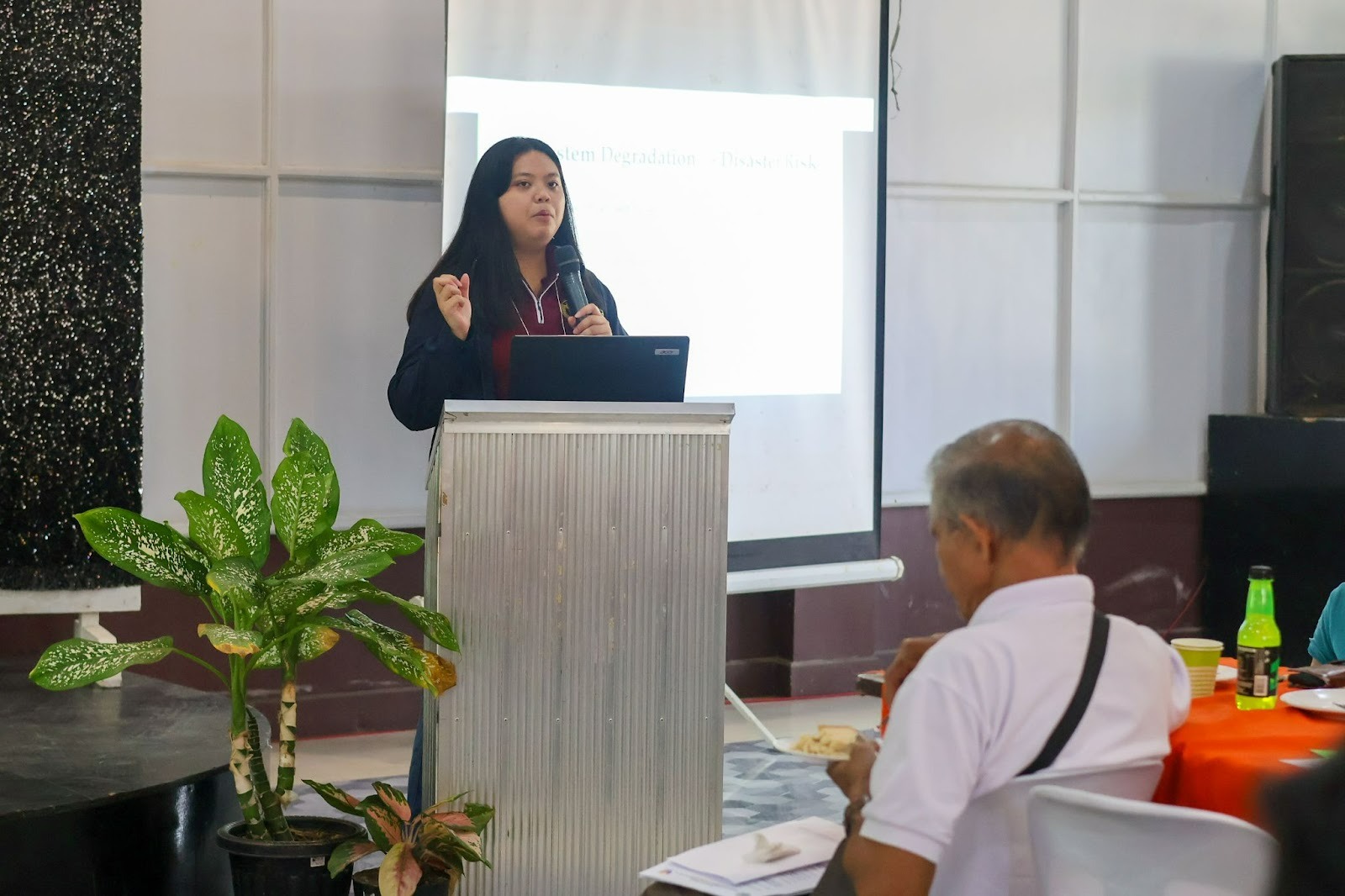
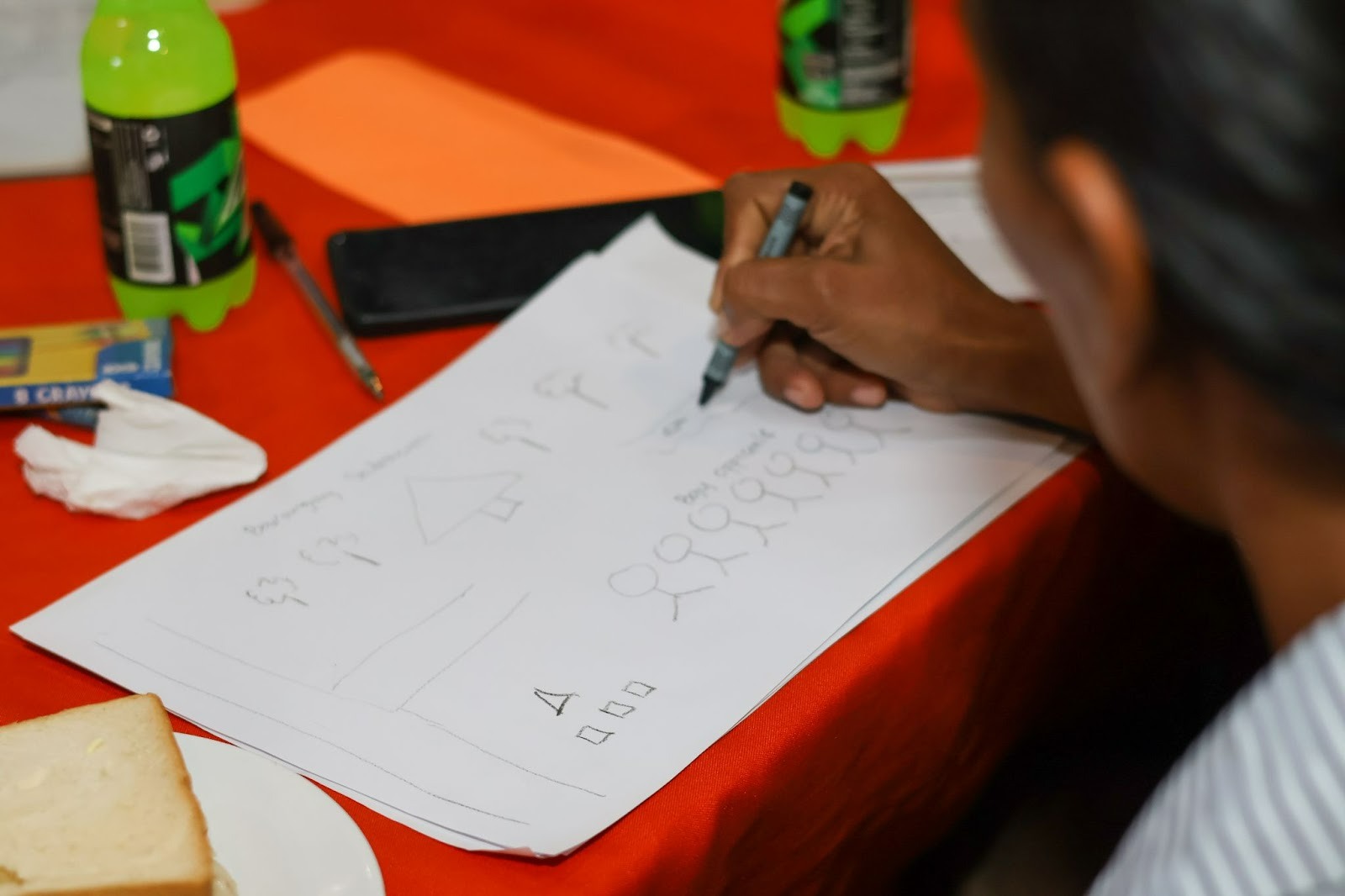
Science Research Specialist II Ms. Monica May Mendoza facilitated the first session on environmental and ecosystem assessment, guiding participants in observing and analyzing their surroundings and understanding how these have changed over time. To ground the discussion in local contexts, participants were asked to draw their communities from memory, reflecting their perspectives as barangay, municipal or city, and provincial stakeholders.
During the discussion, participants identified natural features such as rivers and mangroves, with some recalling past mangrove planting efforts in their communities. Ms. Mendoza then emphasized how ecosystems help protect communities by regulating climate, reducing flood risks, and buffering storm impacts. She noted that while communities depend on these systems, they are often degraded through human activities.
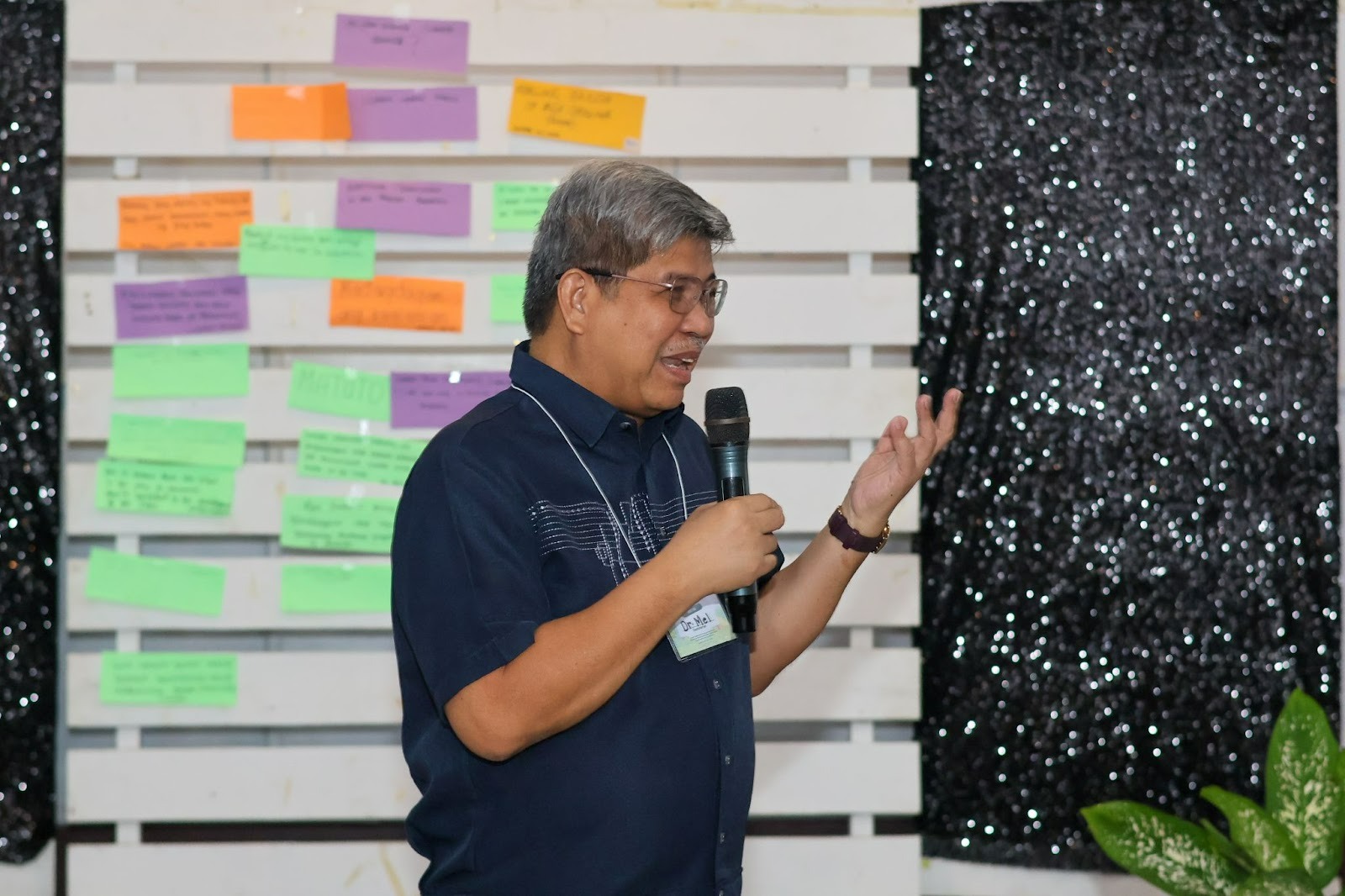
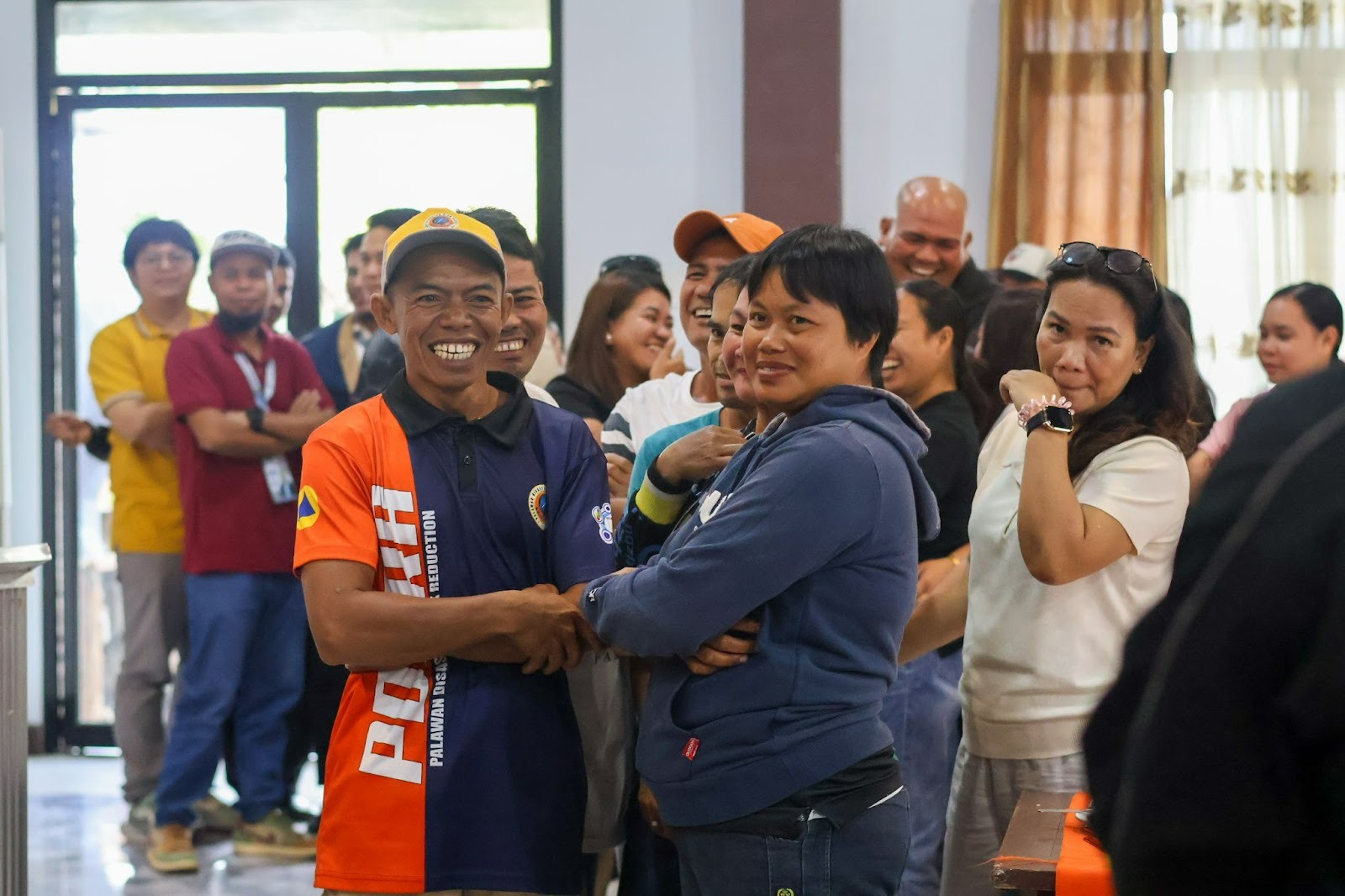
UPRI Fellow Dr. Emmanuel Luna led the succeeding session on disaster governance, emphasizing the importance of inclusive and participatory approaches in disaster risk reduction and management. The session opened with an interactive “boat is sinking” activity, where participants grouped themselves based on selected traits such as age and gender. The activity highlighted that disaster response is not limited by gender or roles. Participants reflected that both men and women bring valuable strengths to DRRM, whether in decision-making, communication, or physical response, reinforcing that everyone has a role to play in building resilient communities.
Dr. Luna discussed how local governance serves as a critical component in reducing disaster risks. He explained that while ecosystems can protect communities from hazards, their degradation due to human activities can worsen disaster impacts. He emphasized that effective disaster governance requires collective action, guided by policies such as the Philippine Disaster Risk Reduction and Management Act of 2010 (RA 10121), and strengthened through coordination from the international level down to local communities. The session highlighted the importance of informed decision-making, community engagement, and a bottom-up approach in developing more responsive and effective DRRM strategies.
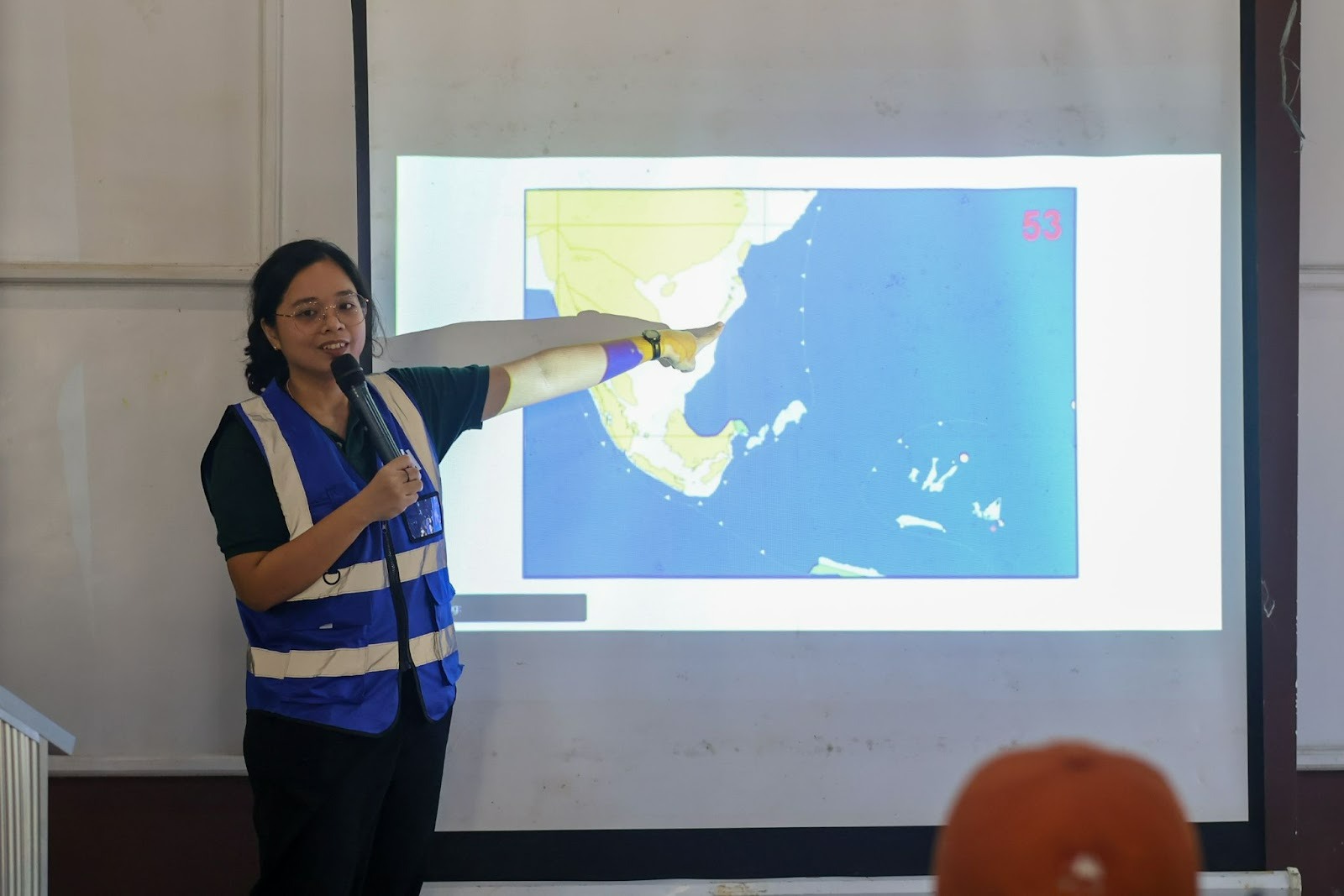
From understanding governance and collective action, the workshop then moved toward applying these principles through risk assessment and mapping. Project Field Coordinator Ms. Dainty Clarice Rabang led the third session on risk assessment and mapping, helping participants better understand why disasters like flooding occur in their communities. Using Bagyong Tino as an example, she explained that even if a storm does not directly pass through an area, heavy rainfall and upstream conditions can still cause flooding. She emphasized the importance of understanding how water flows from higher areas to lower communities, highlighting the need for a more holistic approach to managing flood risks.
Highlights from the second day of the workshop
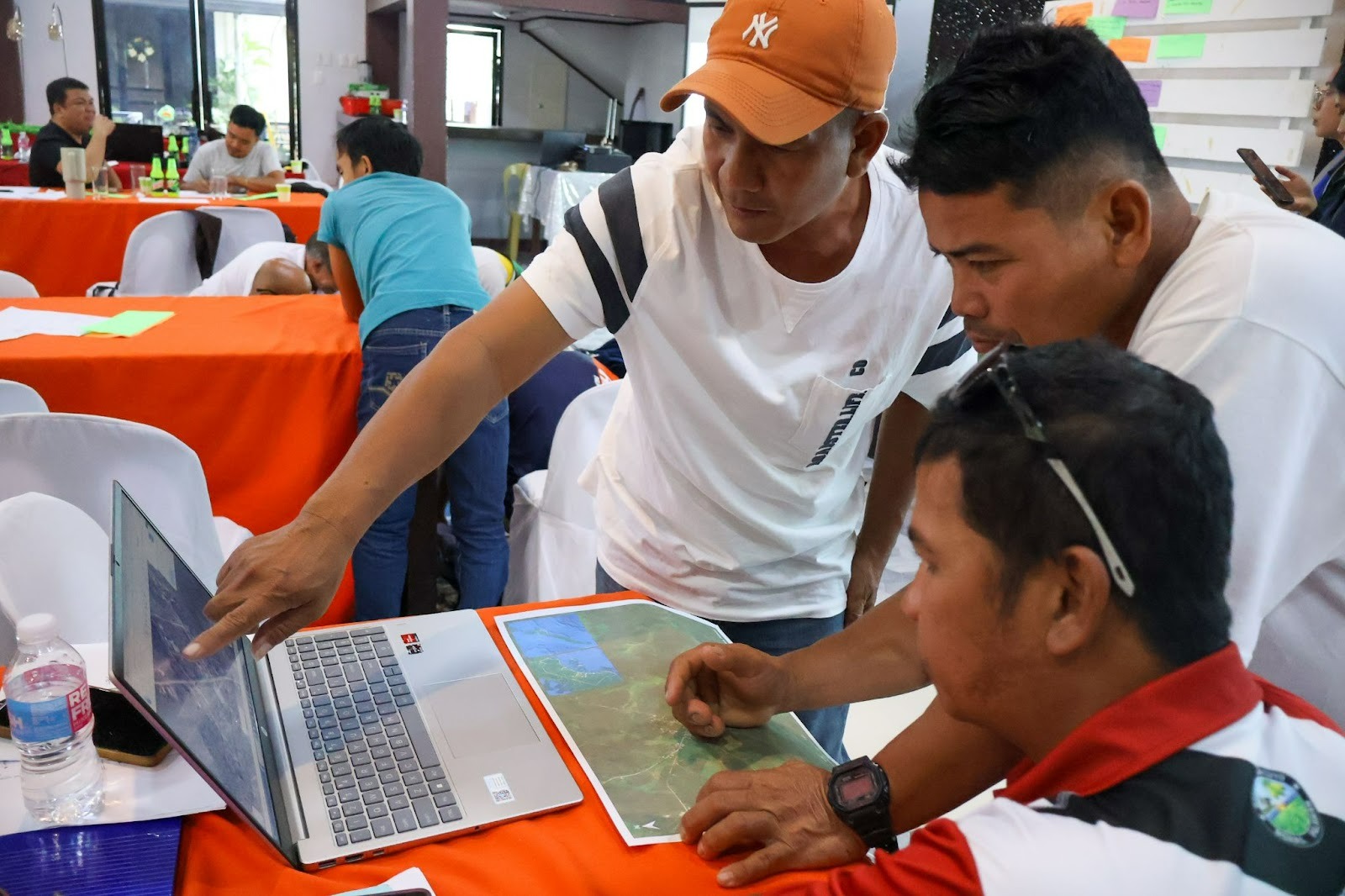
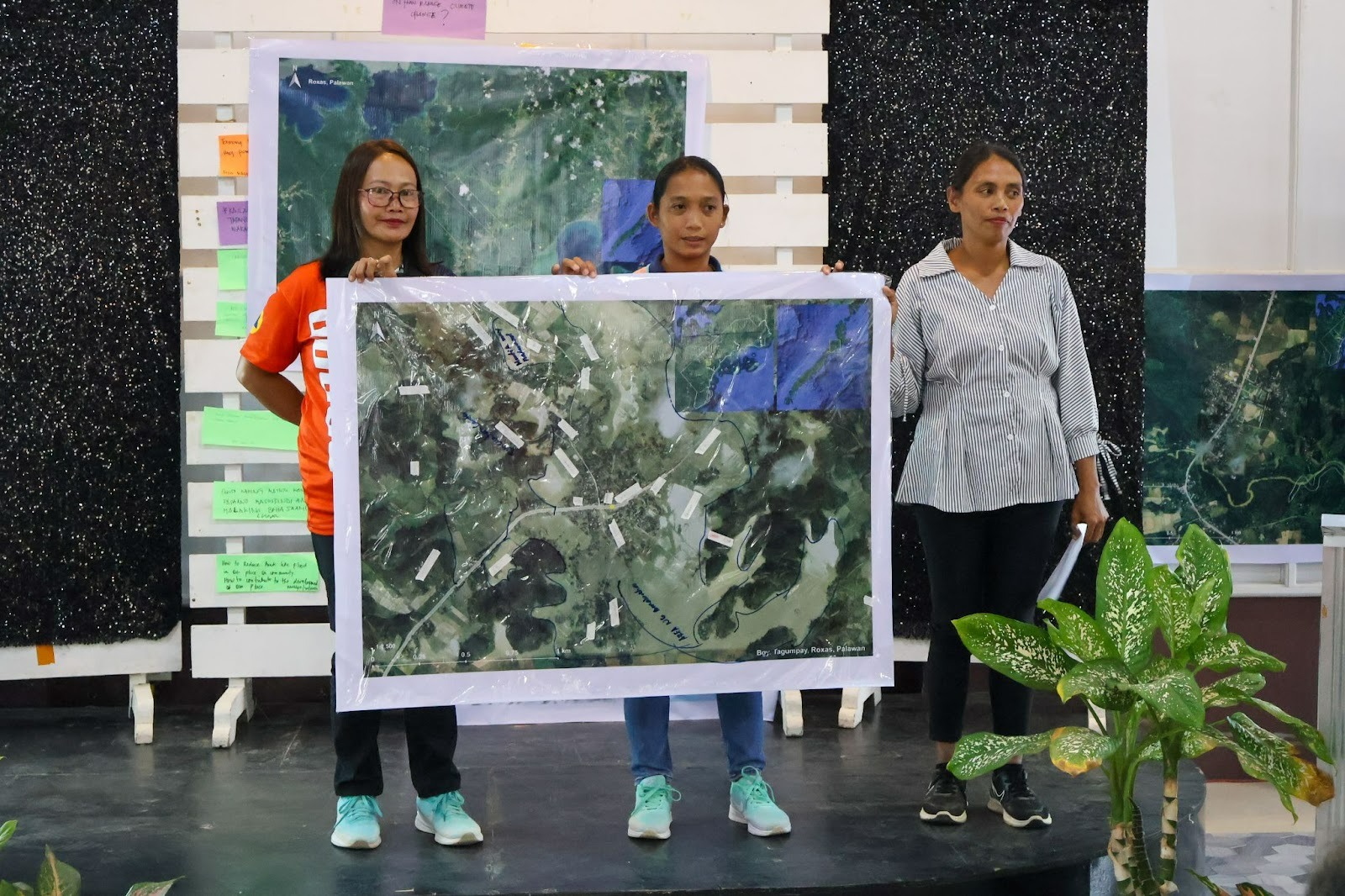
To apply the learnings from the session, the participants used printed maps and free digital tools such as Google Earth to identify key features in their communities, including rivers, homes, and flood-prone areas. The second day highlighted the diverse perspectives and lived experiences of participants as reflected in their outputs. For instance, participants from Barangay Tagumpay mapped out significant landmarks such as the river and market, while also identifying areas affected by flooding and damaged houses during their experience with Bagyong Tino.
Reflecting on their experiences, participants emphasized the importance of preparedness, including early evacuation, proper waste management, and being alert of warnings from authorities. They also highlighted the need for timely government support, particularly in providing immediate relief such as food and assistance for damaged homes. The activity helped participants translate their experiences into practical actions, reinforcing the importance of being more alert and proactive in reducing disaster risks.
One of the key takeaways from the two-day workshop was the recognition that responding to disasters alone is not enough and is often more costly in the long run. Instead, communities must prioritize preparedness, prevention, and long-term, sustainable planning. Building disaster-resilient communities requires the integration of local knowledge, scientific understanding, and collective action. Furthermore, the workshop, conducted by the Palawan PDRRMO in partnership with UPRI, underscores the importance of sustained support and capacity building at the local level. With continued collaboration and shared commitment, initiatives like this can empower communities in Roxas, Palawan, and beyond to take a more proactive role in reducing risks and strengthening resilience in the face of future challenges.