
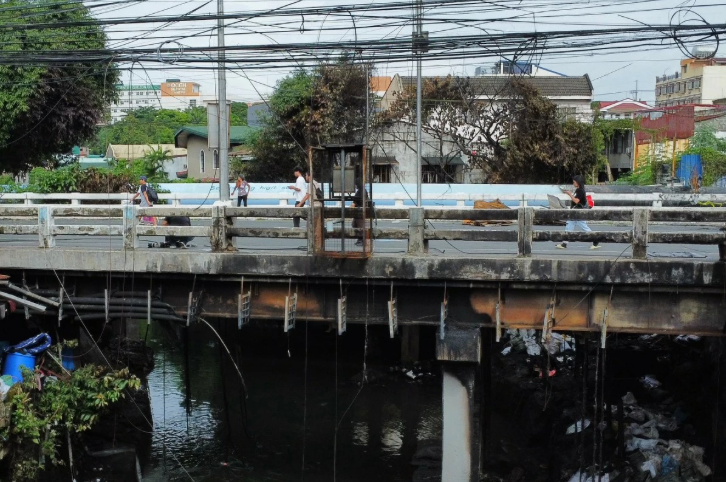
Fire is a devastating force that causes destruction indiscriminate of wealth or status, yet in the Metro, its burden falls heaviest on the poorest. In July 2025, a study spearheaded by Engr. William Pearson and Dr. Aaron Opdyke of University of Sydney analyzed how fire starts and spreads. The initiative aims to empower high-density neighborhoods with actionable awareness to lessen, if not prevent, future disasters.
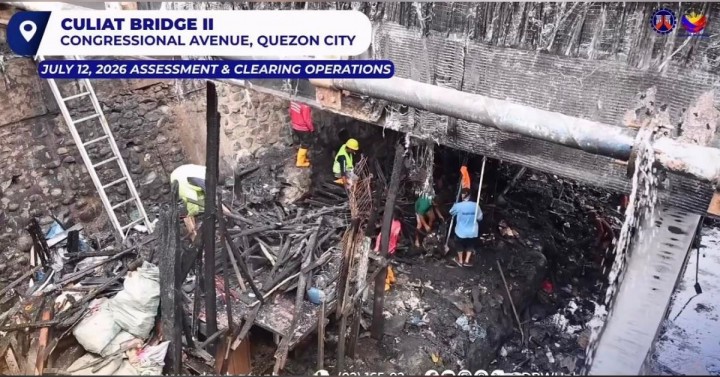
Field data was gathered through extensive interviews, bridging perspectives from key institutions like the Center for Disaster Preparedness (CDP) Foundation, the Bureau of Fire Protection (BFP), and the Don Antonio and Krus na Ligas Fire Substations, and insights from residents of vulnerable areas in Pansol and Daang Tubo within Barangay UP Campus. Crucial support came from UP NOAH Center researchers EnP. Joy Santiago, Kristian Audri Gabriel, Glenn Sabio, and EnP. Jerico E. Mendoza, who helped shape the fire hazard framework, coordinated institutional logistics, contributed in designing the methodology, and provided vital English-Tagalog translations during field surveys.
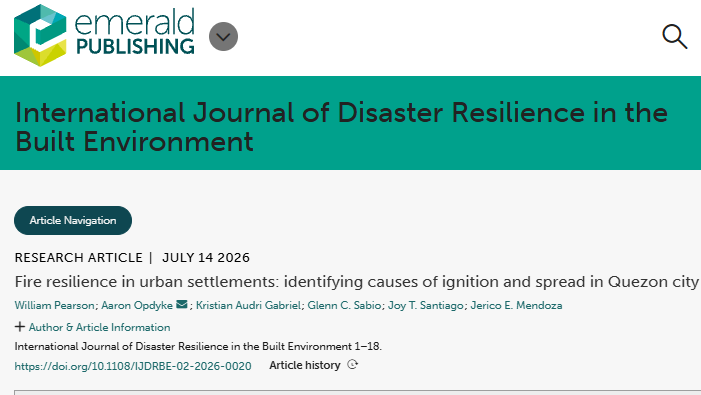
One of the study’s main outputs is a research publication entitled Fire Resilience in Urban Settlements: Identifying Causes of Ignition and Spread in Quezon City. The article discussed the combination of physical and socio-economic vulnerabilities that potentially drives urban fire. In informal settlements, makeshift electrical connections and hazardous cooking practices often becomes primary ignition points. Highly combustible building materials and tightly packed structures can also accelerate fire spread. Additionally, narrow roads in these areas frequently impede the access of fire trucks and other emergency personnel during fire incidences.
While both fire professionals and affected residents agree on the immediate physical dangers of fire, they fundamentally disagree on the nature of its root causes. Interviews highlight that while fire professionals may look at the cause as due to an individual’s carelessness, residents explain that these risky setups are actually survival adaptations forced by poverty and extreme space constraints.
This disconnect uncovered by the study highlighted the need for a shift in strategy that, instead of focusing on strict, punitive enforcement that just drives more unsafe, ‘underground’ practices in the communities, prioritizes investment in community-driven ‘soft’ infrastructure. This means funding localized early warning systems and community-led firefighting tools through existing local barangay networks, and promoting realistic harm-reduction education that works with the residents’ material realities rather than punishing them for conditions they cannot control.
You may access and read more about the research article Fire Resilience in Urban Settlements: Identifying Causes of Ignition and Spread in Quezon City here:
https://www.emerald.com/ijdrbe/article/doi/10.1108/IJDRBE-02-2026-0020/1386727/Fire-resilience-in-urban-settlements-identifying