
Disaster data is more than numbers. Behind every record of displacement, evacuation, or assistance is a community navigating disruption and making decisions about how to recover.
This was among the key themes that emerged from the roundtable “Whole-of-Society Coordination on Disaster Data: Findings from the Philippines,” organized by the Aapti Institute and Scalabrini Migration Centre on August 17, 2026, in Pasig City.
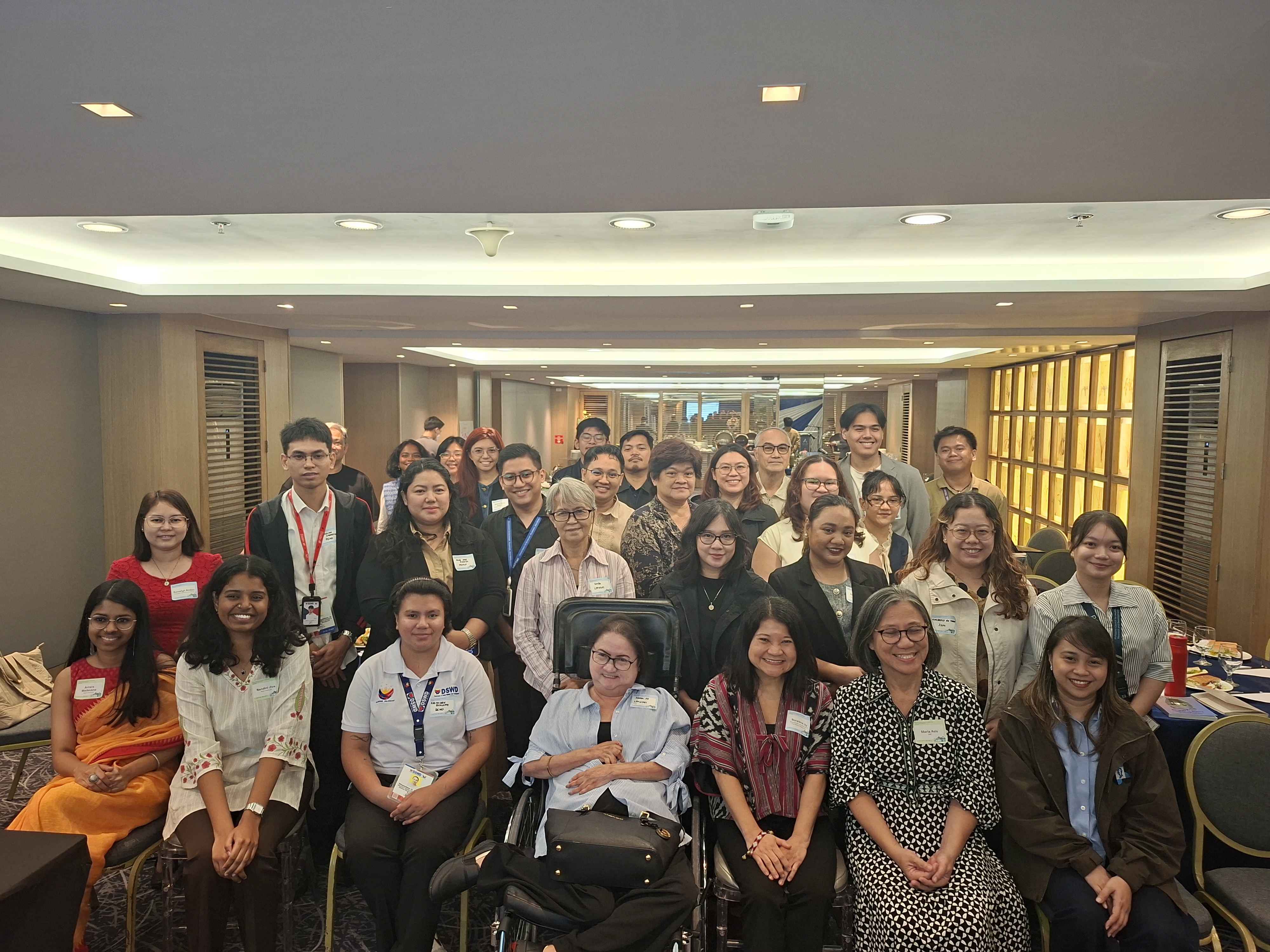
The roundtable brought together representatives from government, academia, civil society, community organizations, and digital platforms to discuss findings from Aapti Institute’s year-long study on the intersection of disaster, data, displacement, and digital infrastructure in the Philippines. The University of the Philippines Resilience Institute (UP RI) was among the participating institutions, along with various international agencies, academic institutions, and national government agencies.
The study examined how disaster data and digital systems shape the experiences of communities affected and displaced by disasters. It looked at how data systems capture the lived experiences and needs of evacuees and relocated families; how digital infrastructure can support the efficient delivery of aid; and how digital public infrastructure can facilitate relief and rehabilitation. It also examined how policies support migrating and displaced communities, what lessons these frameworks may offer other disaster-affected contexts, and how community solidarity and decentralized forms of support, including the principle of bayanihan, contribute to protecting livelihoods and supporting communities during disasters.
The roundtable brought together representatives from government, academia, civil society, community organizations, and digital platforms to discuss findings from Aapti Institute’s year-long study on the intersection of disaster, data, displacement, and digital infrastructure in the Philippines. The UP RI was among the participating institutions, along with various international agencies, academic institutions, and national government agencies.
The study examined how disaster data and digital systems shape the experiences of communities affected and displaced by disasters. It looked at how data systems capture the lived experiences and needs of evacuees and relocated families; how digital infrastructure can support the efficient delivery of aid; and how digital public infrastructure, digital payment systems, and open data portals can facilitate relief and rehabilitation. It also examined how policies support migrating and displaced communities, what lessons these frameworks may offer other disaster-affected contexts, and how community solidarity and decentralized forms of support, including the principle of bayanihan, contribute to protecting livelihoods and supporting communities during disasters.
Looking at the gaps behind the data
Aapti Institute’s study, “Digital Divides & Bridges,” examined how data generated by government agencies, researchers, community-based organizations, and other actors moves through the disaster management ecosystem.
The study found that dynamic and non-traditional data can provide valuable information alongside traditional datasets, particularly as conditions change rapidly during disasters. At the same time, fragmentation across the country’s data ecosystem can make coordination and data-driven disaster relief more difficult.
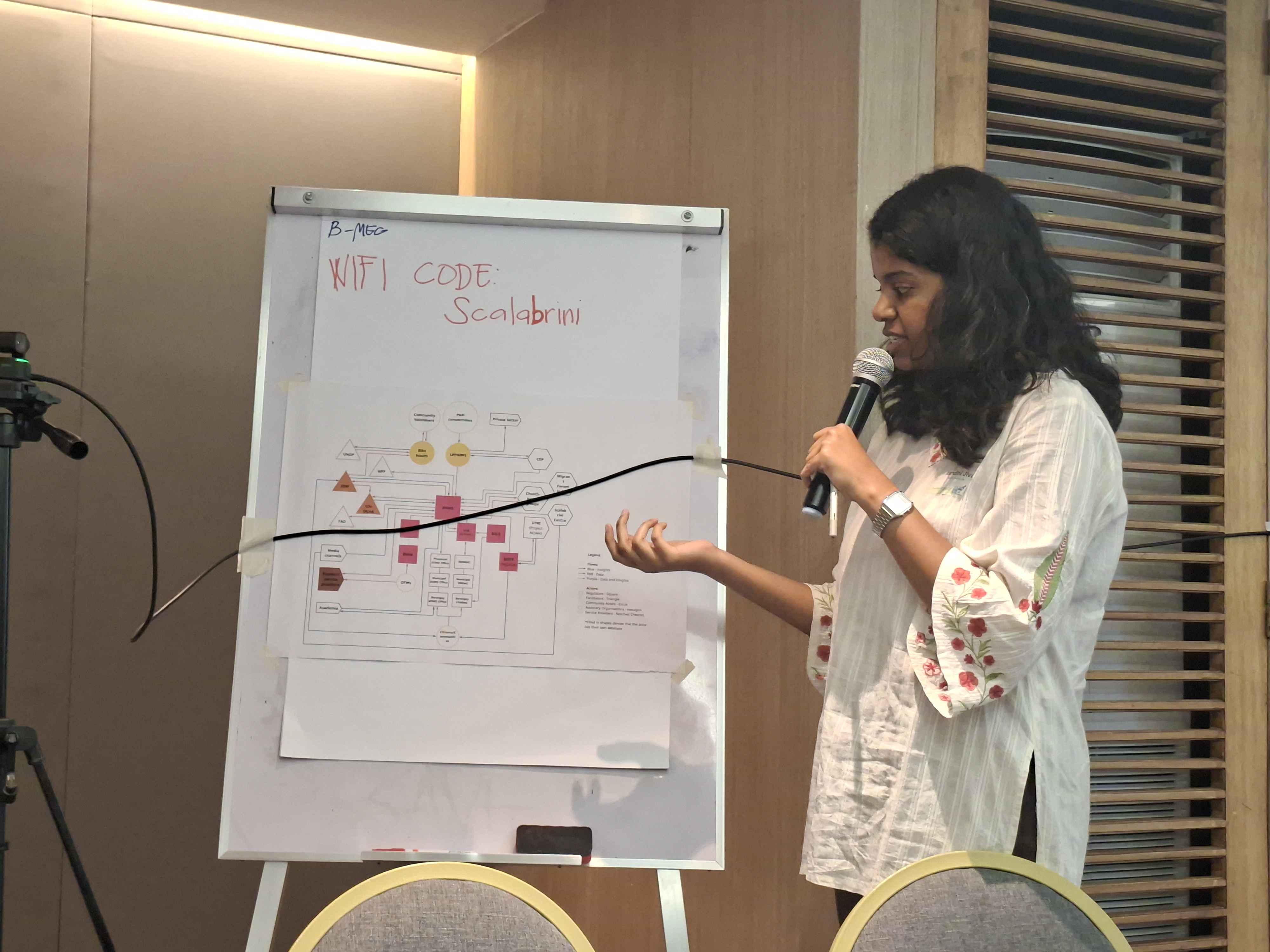
Digital public infrastructure was another focus of the study. Digital payment platforms can provide important channels for distributing assistance and improving last-mile connectivity, while the PhilSys ID has the potential to facilitate access to social protection. However, gaps in awareness, connectivity, and digital literacy can limit the benefits of these systems, particularly for communities in remote areas.
The findings point to an important distinction: having data and digital infrastructure does not necessarily mean that communities can access the support they need. The connections between data, institutions, services, and people are equally important.
Making space for community knowledge
The study also highlighted the value of information that comes directly from communities. Community-generated data can provide bottom-up insights into preparedness and response needs that may not be captured through formal administrative systems. Community organizations and local groups can offer a closer understanding of changing conditions, emerging needs, and barriers to accessing assistance.
This perspective was reinforced during the screening of Bayanihan in the Time of Disasters, produced in partnership with the Bike Scouts Project. The film presented disaster response through the experiences of communities themselves, complementing the institutional and data-focused discussions of the roundtable.
The emphasis on bayanihan also highlighted the role of community-led action in disaster risk reduction. Communities are not only recipients of assistance. They are also sources of knowledge, networks, and support that can contribute to preparedness, response, and recovery.
Recognizing this role requires stronger channels between communities and formal institutions, allowing local knowledge and experiences to inform decisions alongside scientific and administrative data.
From findings to action
During the event several points of actions were surfaced which government agencies, service providers, civil society organizations, academic institutions, community organizations, and funders can explore and collaborate on.
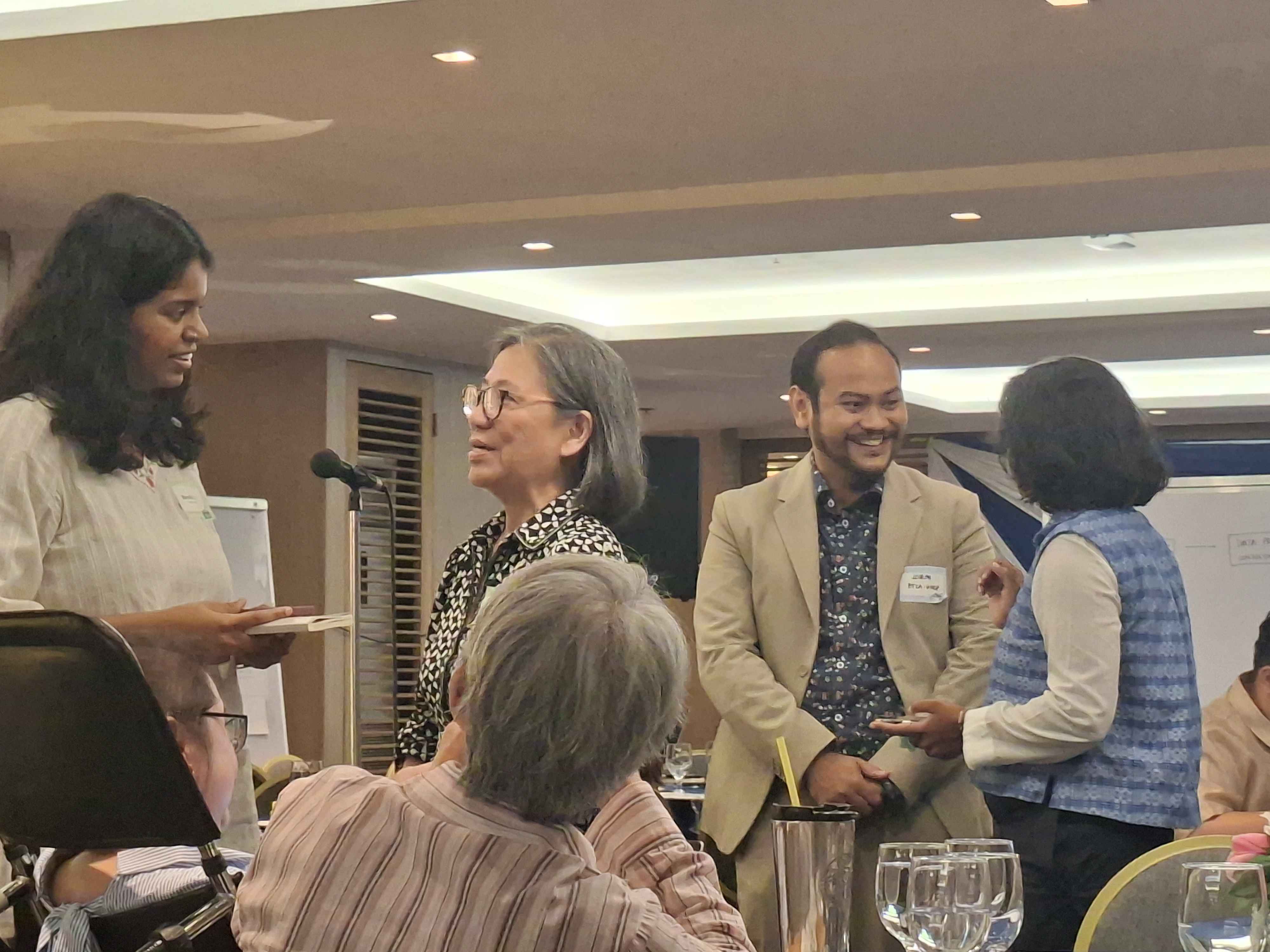
These include developing parametric insurance through community consultation, scaling digital payment applications for social benefit transfers during disasters, strengthening channels for data collection and collaboration between state and community groups, and improving connectivity and digital literacy in remote areas.
Together, these recommendations point toward a broader approach to disaster data—one that considers not only how information is collected, but also how it is shared, interpreted, and translated into services and support.
This approach is closely aligned with the role of institutions such as UP RI, which works to connect science, risk information, and decision-making in support of disaster risk reduction and climate resilience.
Continuing the conversation at UP RI
The discussion continued on August 20, 2026, when representatives from Aapti Institute met with UP RI researchers to explore potential areas of institutional collaboration.
The meeting provided an opportunity for both organizations to present their respective areas of work and identify shared interests.
UP RI introduced its work on disaster risk reduction, climate resilience, and risk-informed planning, including the Risk Index for Climate Displacement (RICD) initiative and Resilience Live, its platform for knowledge exchange and engagement on resilience-related research and emerging issues.
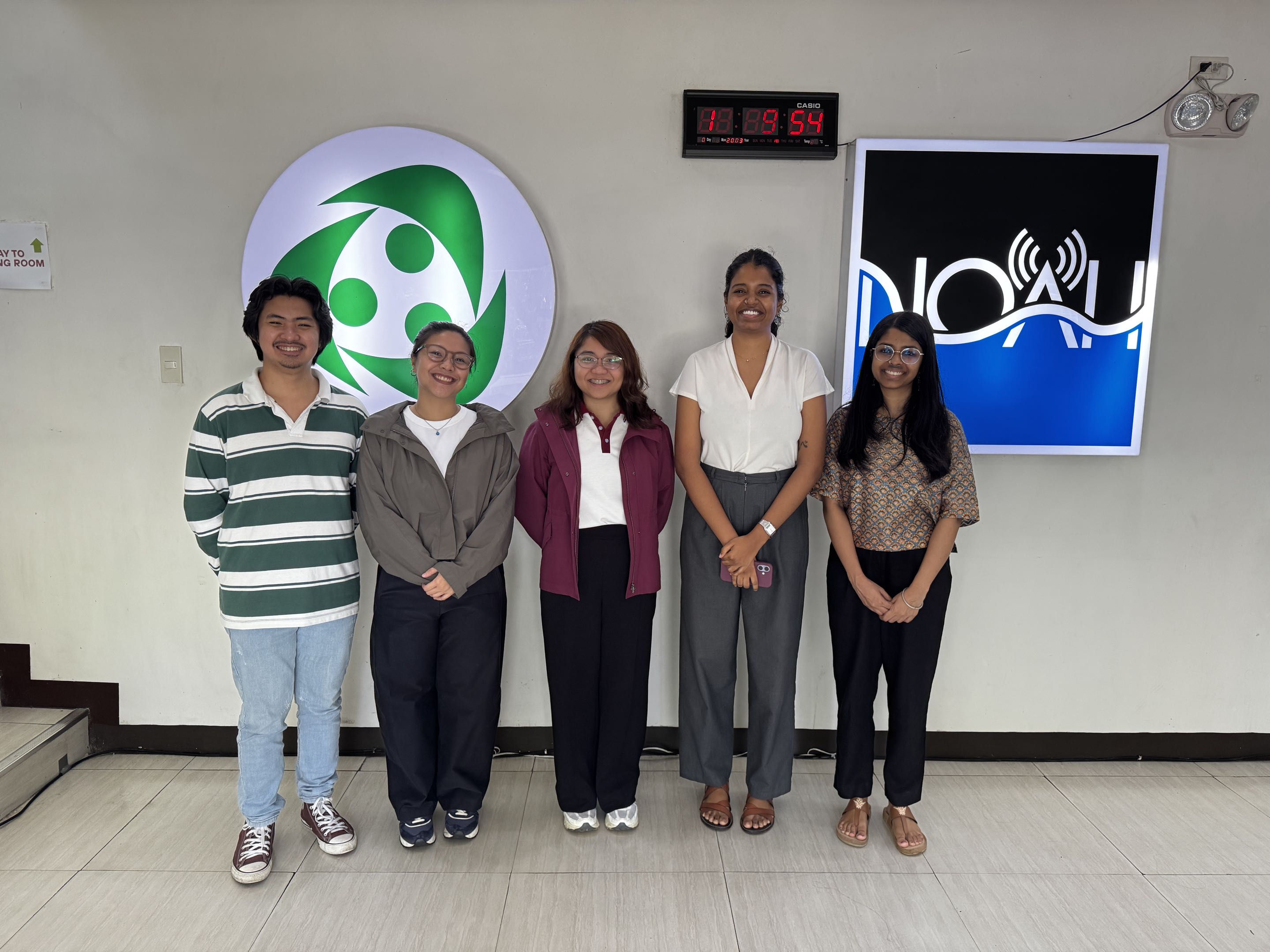
Aapti Institute presented its organizational mandate and recent and ongoing work, including its research on data governance, digital infrastructure, disaster response, and displacement.
The exchange identified potential areas for collaboration, including joint research, knowledge exchange, capacity development, and other initiatives related to disaster resilience and displacement. Discussions also covered the possibility of developing a formal partnership between UP RI and Aapti Institute to provide a framework for future cooperation.
Connecting data, institutions, and communities
The two engagements offered complementary perspectives on the role of data in addressing disaster impacts and displacement.
The Aapti Institute roundtable focused on the challenges of ensuring that data and digital systems work effectively for communities affected by disasters. The subsequent meeting at UP RI created an opportunity to explore how institutions with complementary expertise can work together on these challenges.
For the Philippines, where disasters can disrupt homes, livelihoods, access to services, and patterns of movement, strengthening these connections is increasingly important.
Better disaster data requires more than improved datasets and digital tools. It requires coordination among institutions, meaningful participation from communities, and mechanisms that can turn information into timely and appropriate action.
The emerging connection between UP RI and Aapti Institute provides an opportunity to build on these shared interests and contribute to a more connected approach to disaster risk reduction—one that brings together scientific knowledge, digital innovation, institutional capacity, and community experience.