
By Flordeliz Agra, UP RI Education Division
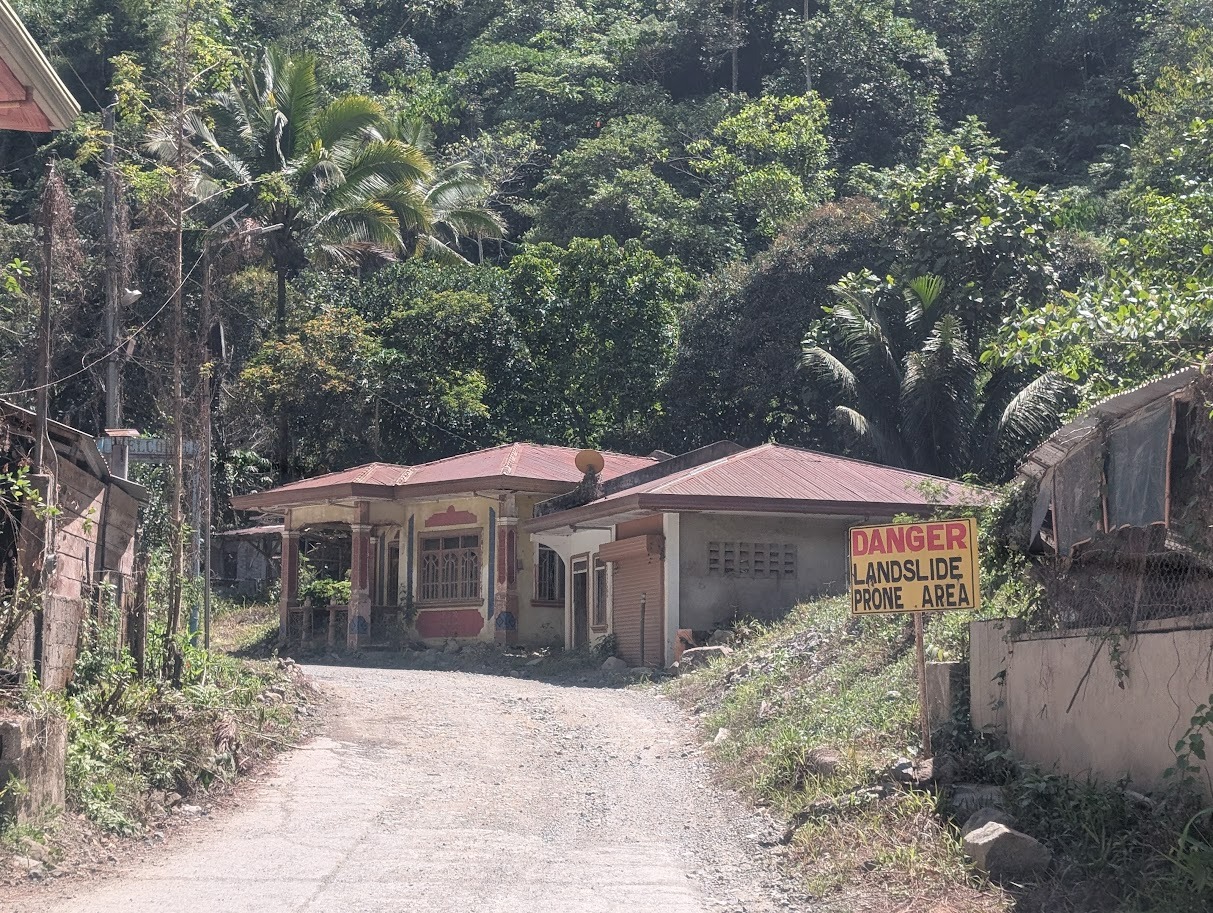
The UP Resilience Institute and the UP Mindanao Center for Disease Watch & Analytics (DiWA) conducted fieldwork from April 26 to May 1, 2026, in Maco for the project titled “Understanding Community Risk Perception in a Hazard-Prone Area: A Case Study of Maco, Davao de Oro.” The UPRI team is composed of Flordeliz Agra, Dainty Clarice Rabang, Ma. Shara Micah Oliquino, and Evangeline Lucile Ortiz, while Alyssa Ilaguison and Kylene Faith Andales participated on behalf of the DiWA Center. The study aims to identify the factors that shape community perceptions of landslide risk and examine how these perceptions influence decision-making regarding relocation from Barangay Masara following the February 2024 landslide.
The study covered four resettlement and relocation areas: Sitio Patagan, Sitio Panibhasan, and Campo 2 (Tent City) in Barangay Elizalde, as well as MB4 in Barangay Calabcab. Prior to the survey, respondents were gathered in a common venue where the research team explained the study’s purpose, significance, and methodology as part of the informed consent process. This ensured that participants fully understood the objectives of the research and the importance of their participation in generating valid and meaningful results. Participants were also requested to sign informed consent forms before taking part in the study.
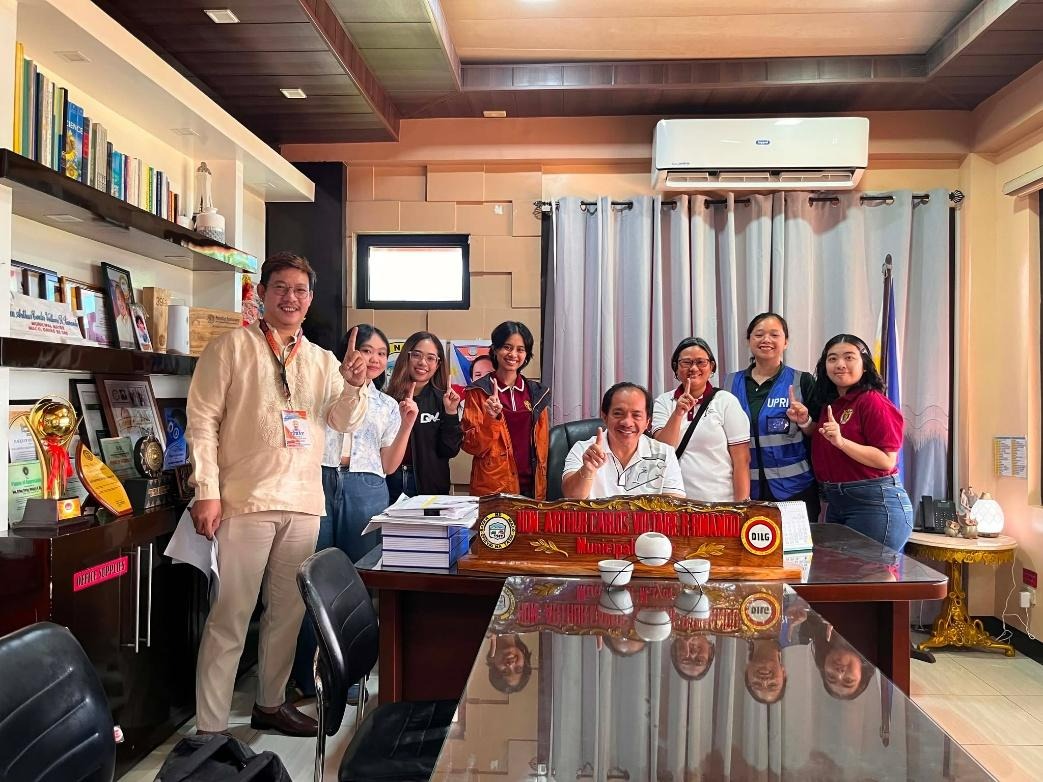
On April 27, 2026, activities began with a courtesy call to the Municipal Mayor of Maco, Hon. Arthur Carlos Voltaire Rimando, followed by coordination meetings with relevant local government offices, particularly the Municipal Social Welfare and Development Office (MSWDO), which oversees the resettlement and relocation sites included in the study.
In total, the team surveyed 115 respondents and conducted 15 key informant interviews. These activities provided valuable insights into how individuals interpret and respond to landslide risks, particularly in communities where official warnings and relocation orders are not consistently followed.
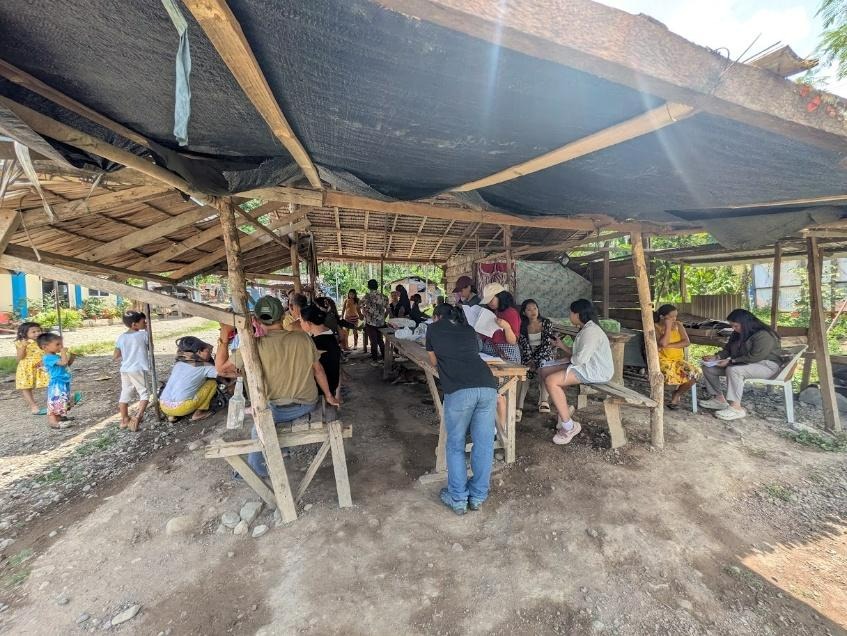
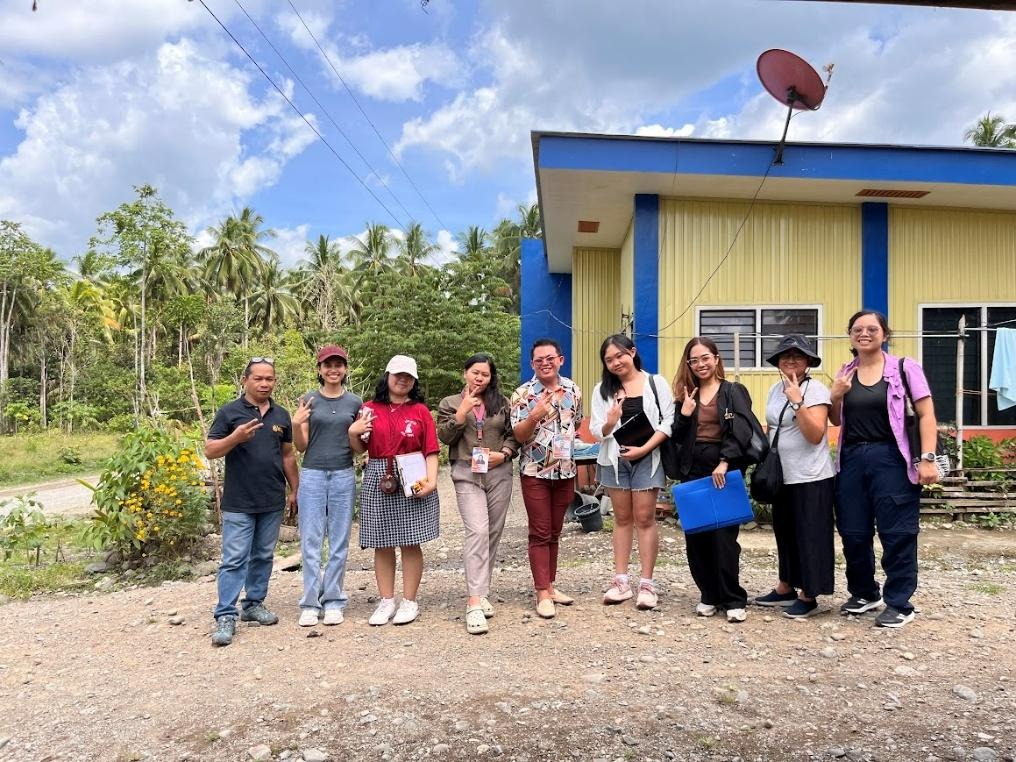
The team also visited Brgy. Maco and Brgy. Mainit, where residents relocated and resettled in the four study sites.
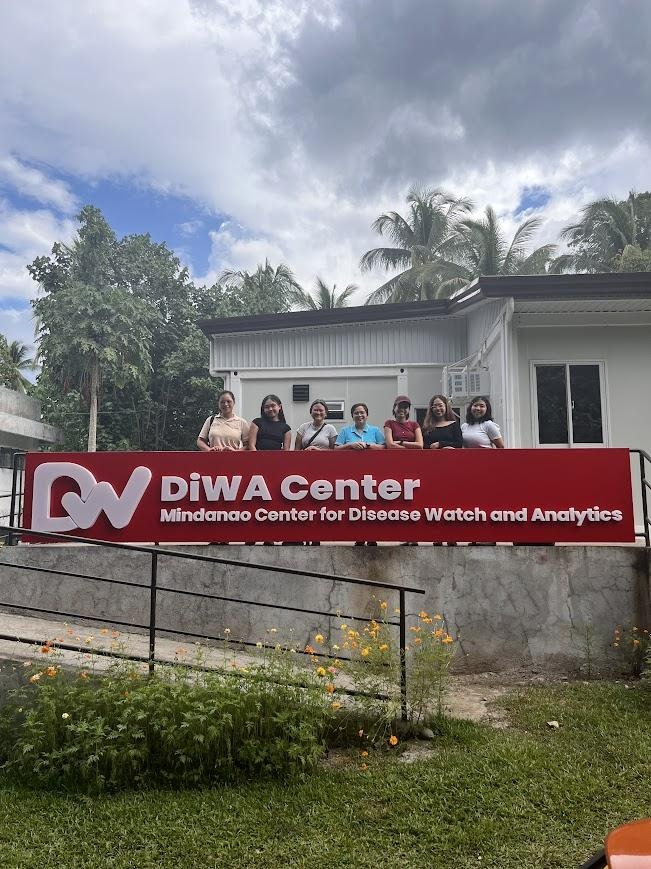
The team also visited the UP Mindanao Center for Disease Watch & Analytics (DiWA) to convey their appreciation to Mary Anne Mata for facilitating the participation of her staff Kylene Faith Andales and Alyssa Ilaguison in the fieldwork. Their proficiency in the Cebuano language greatly supported the conduct of the key informant interviews. The team likewise paid a courtesy visit to the Office of the Vice Chancellor for Administration and thanked Leo Manuel B. Estaña for providing logistical support, including the use of a vehicle and the assistance of Ildefonso Magpusao Jr., who transported the team to and from the field sites.
The study is expected to inform the development of more effective and culturally responsive disaster risk reduction strategies, particularly in relocation planning, community engagement, and risk communication. Its findings may also provide valuable evidence for local government units and policymakers in strengthening post-disaster recovery frameworks and promoting long-term community resilience.
Aligned with the UP Resilience Institute’s ongoing efforts to bridge the gap between hazards information generators and consumers, the research contributes to deepening understanding of risk perception, and guide the development of educational materials and discussions with academic and multisectoral partners.