
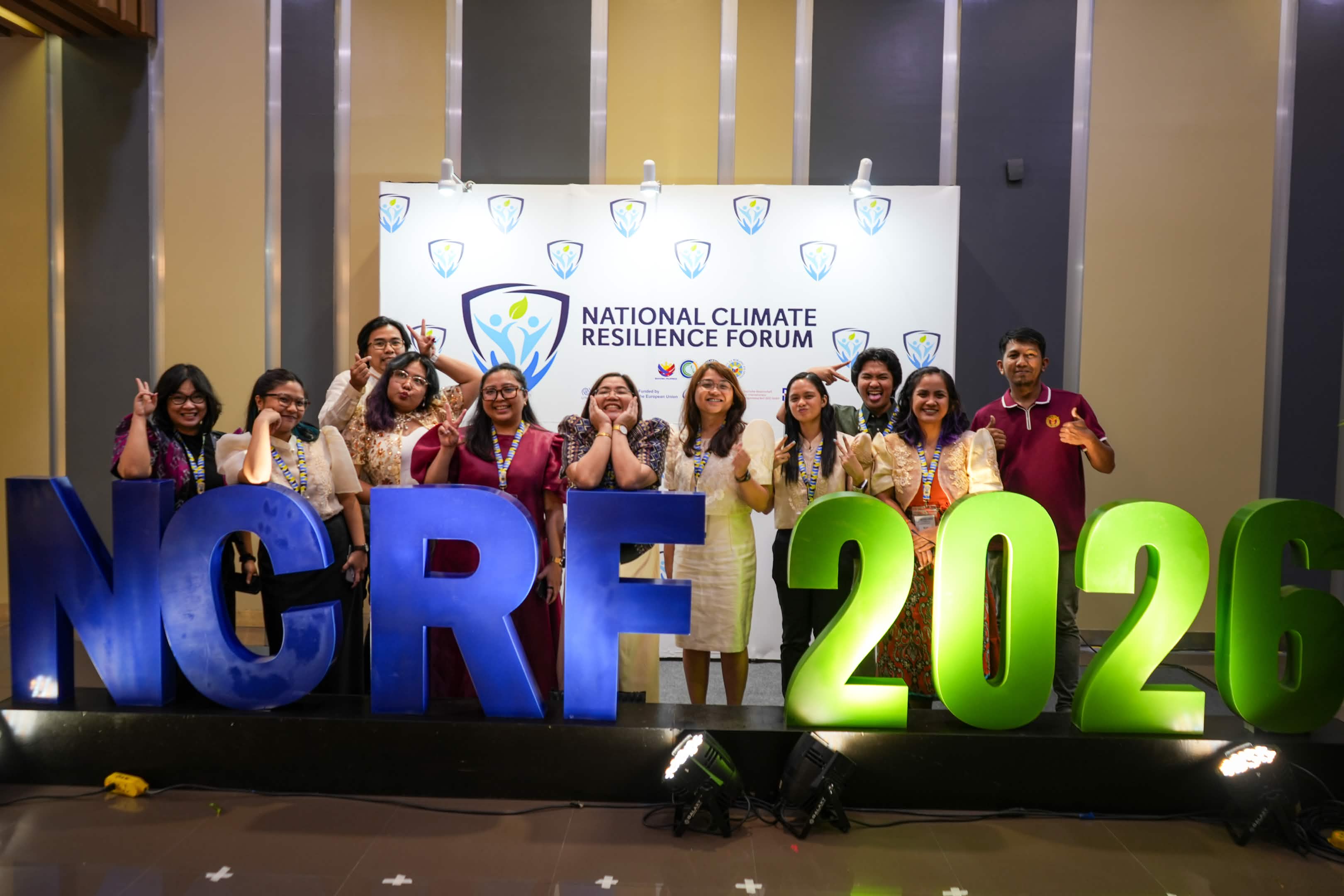
The University of the Philippines Resilience Institute (UP RI) through the Nationwide Operation of Hazards (NOAH) Center Planning Component reaffirmed its commitment to advancing science-based climate resilience through its participation in the National Climate Resilience Forum (NCRF) 2026, held on 23 July 2026 at the SMX Aura Convention Center in Taguig City. Organized by the Climate Change Commission (CCC), the forum brought together representatives from national government agencies, local government units (LGUs), academia, development partners, civil society organizations, and the private sector to strengthen collaboration and accelerate climate action. Anchored on the theme “Bagong Bansang Matatag, Handa sa Pagbabago ng Klima,” the forum highlighted the importance of translating national climate policies into practical, science-based, and locally driven actions. As climate change continues to intensify the impacts of extreme weather events, the forum emphasized the need to strengthen adaptation efforts through evidence-informed planning, improved access to climate information, and stronger collaboration across sectors. Discussions focused on supporting the implementation of the National Adaptation Plan (NAP) and the Nationally Determined Contribution Implementation Plan (NDCIP), equipping LGUs with the tools, knowledge, and partnerships needed to make informed decisions and implement resilience initiatives.
A key highlight of the forum was the high-level panel discussion, “From Metrics to Action: Measuring and Benchmarking Climate Resilience for Local Decision-Making,” where UP RI Executive Director Dr. Alfredo Mahar Francisco A. Lagmay joined national and local leaders in discussing how scientific evidence can better inform planning, governance, and investments.
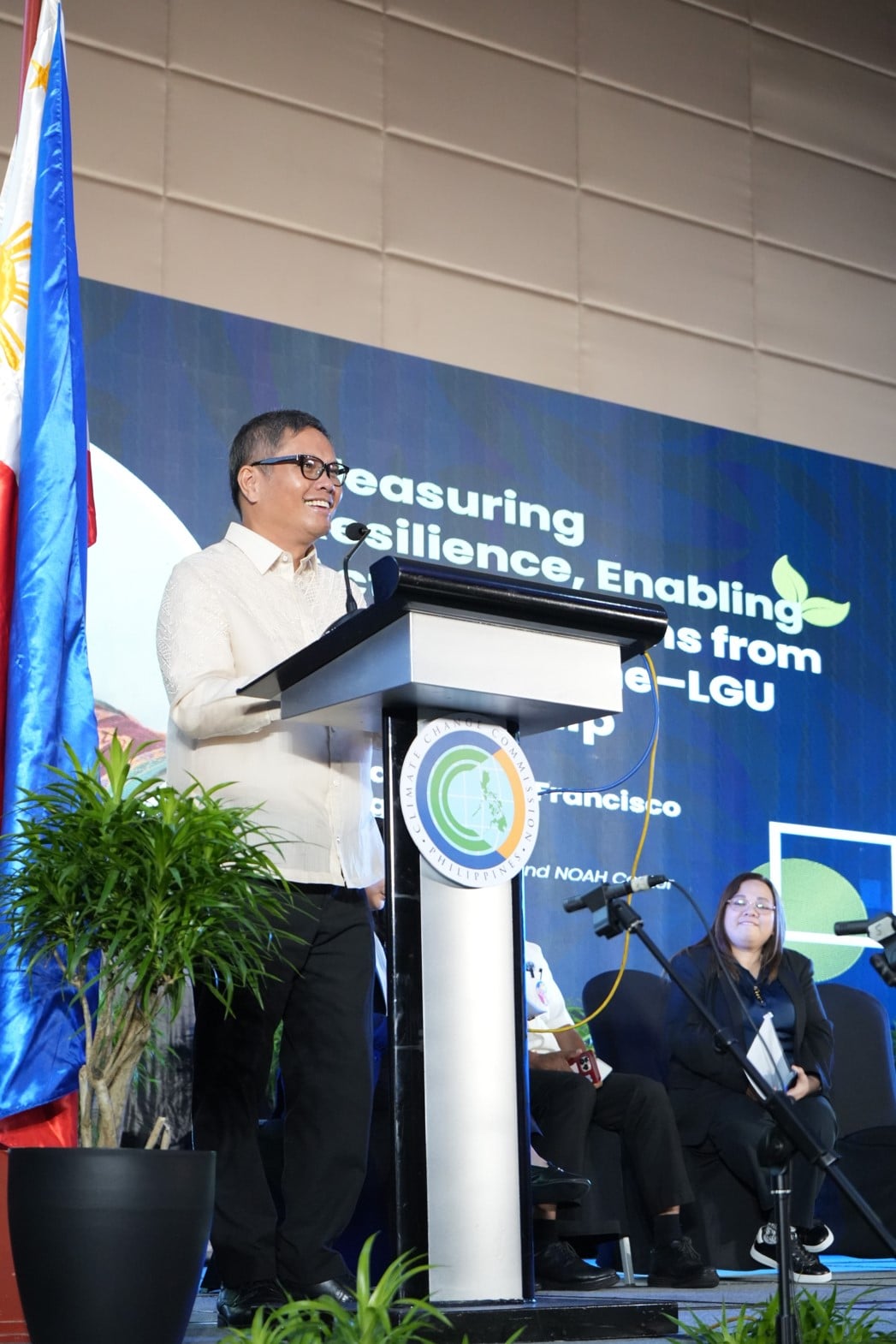
In his presentation, Dr. Lagmay emphasized the role of academic institutions in developing the methodologies, analytics, and evidence needed to measure climate resilience. He underscored that science must be translated into practical tools that help decision-makers understand risk, prioritize investments, and strengthen long-term resilience. He also highlighted the importance of sustained partnerships between academia and local governments in developing context-specific and evidence-based solutions that support risk-informed development planning.
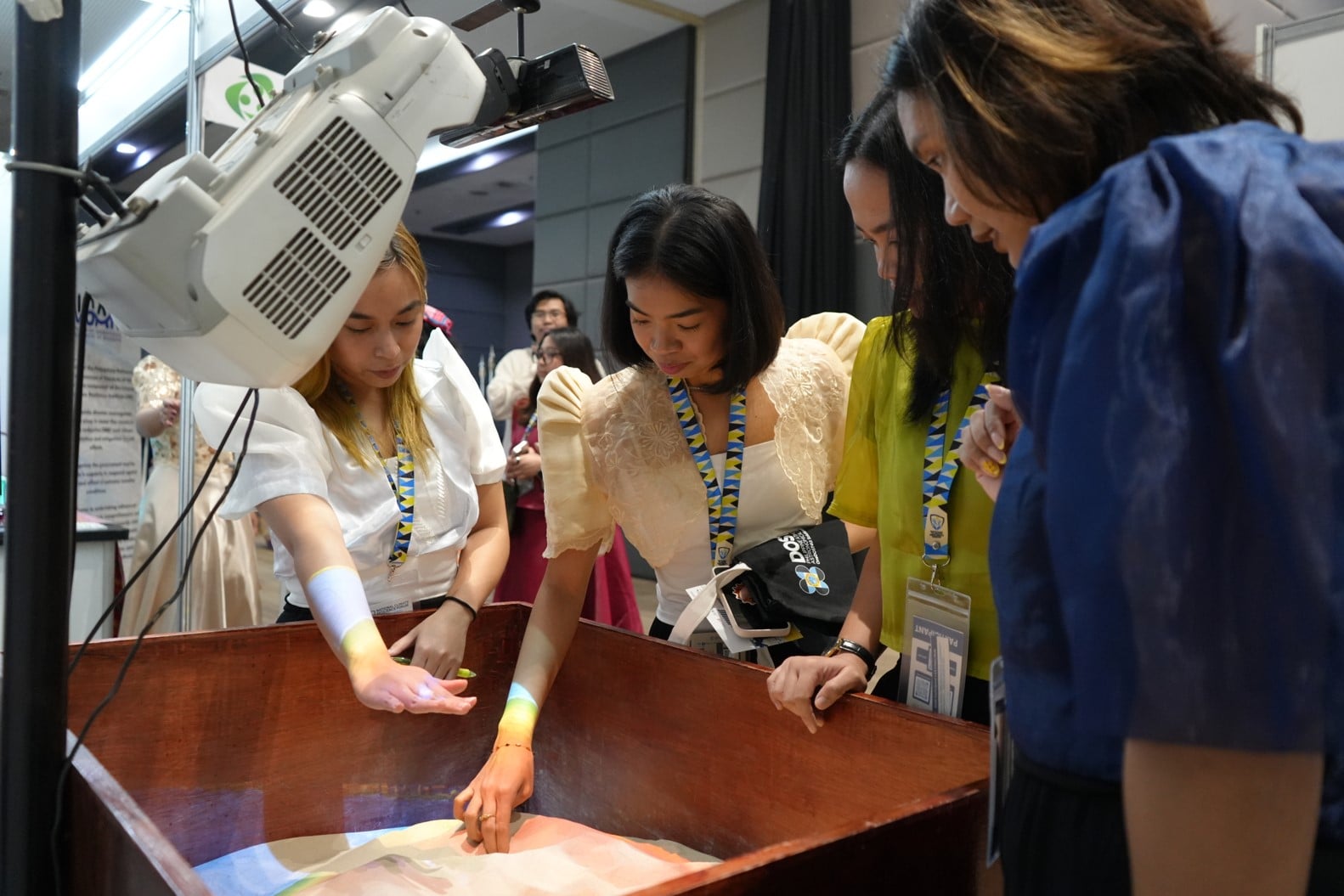
Complementing its participation in the plenary discussions, UP RI also joined the forum as an exhibitor, showcasing the institute’s research, technologies, and knowledge products that support climate resilience and disaster risk reduction. Visitors to the UP RI booth explored the Virtual Reality Sandbox, an interactive tool facilitated by For. Alexa Samantha R. Hernandez of the UP RI Education Division, that demonstrated how topography influences water flow and flooding, providing a hands-on way to understand watershed processes and terrain analysis. The exhibit also featured selected local development plans developed in partnership with LGUs, illustrating how hazard, exposure, and vulnerability information can be translated into evidence-based planning and policy.
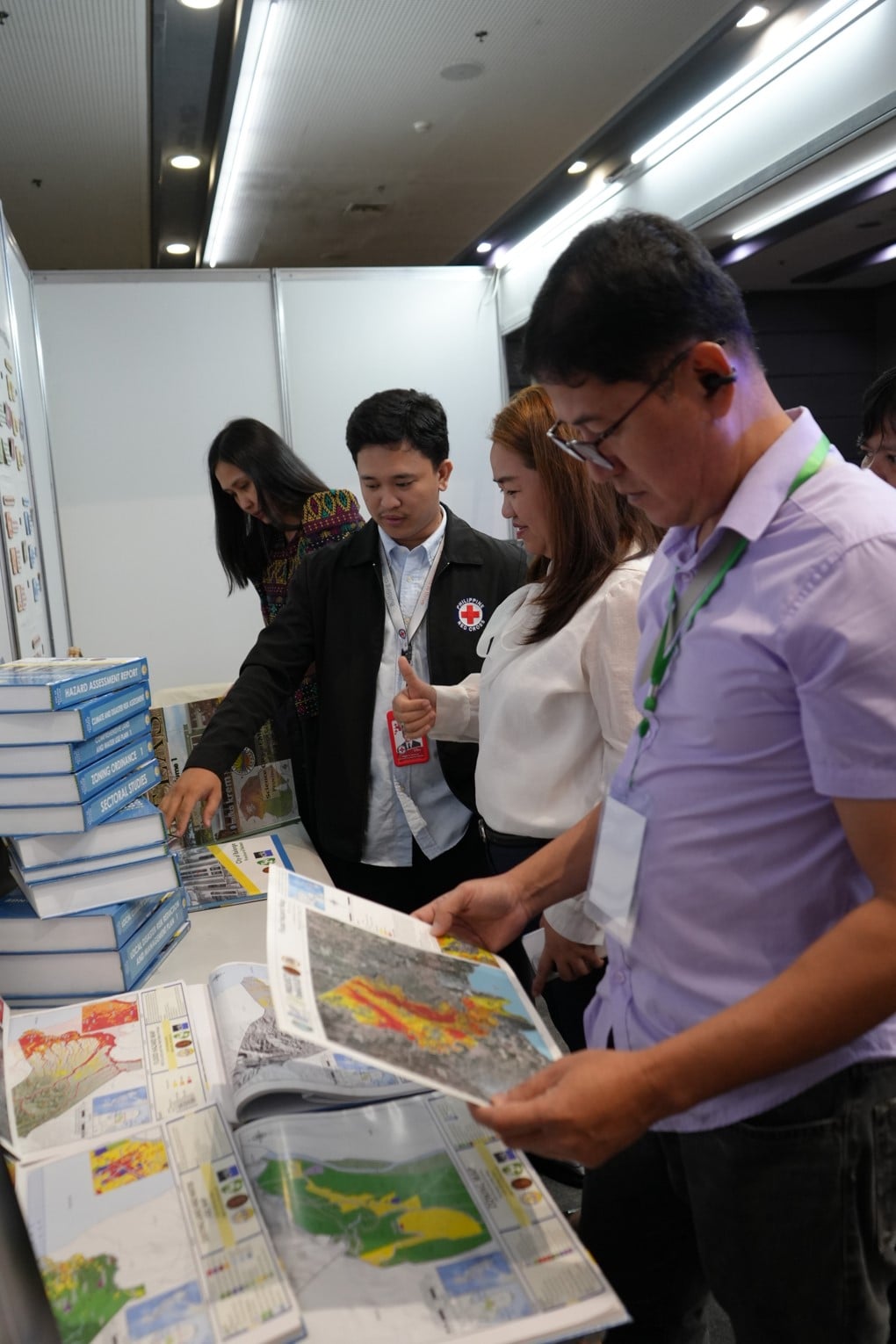
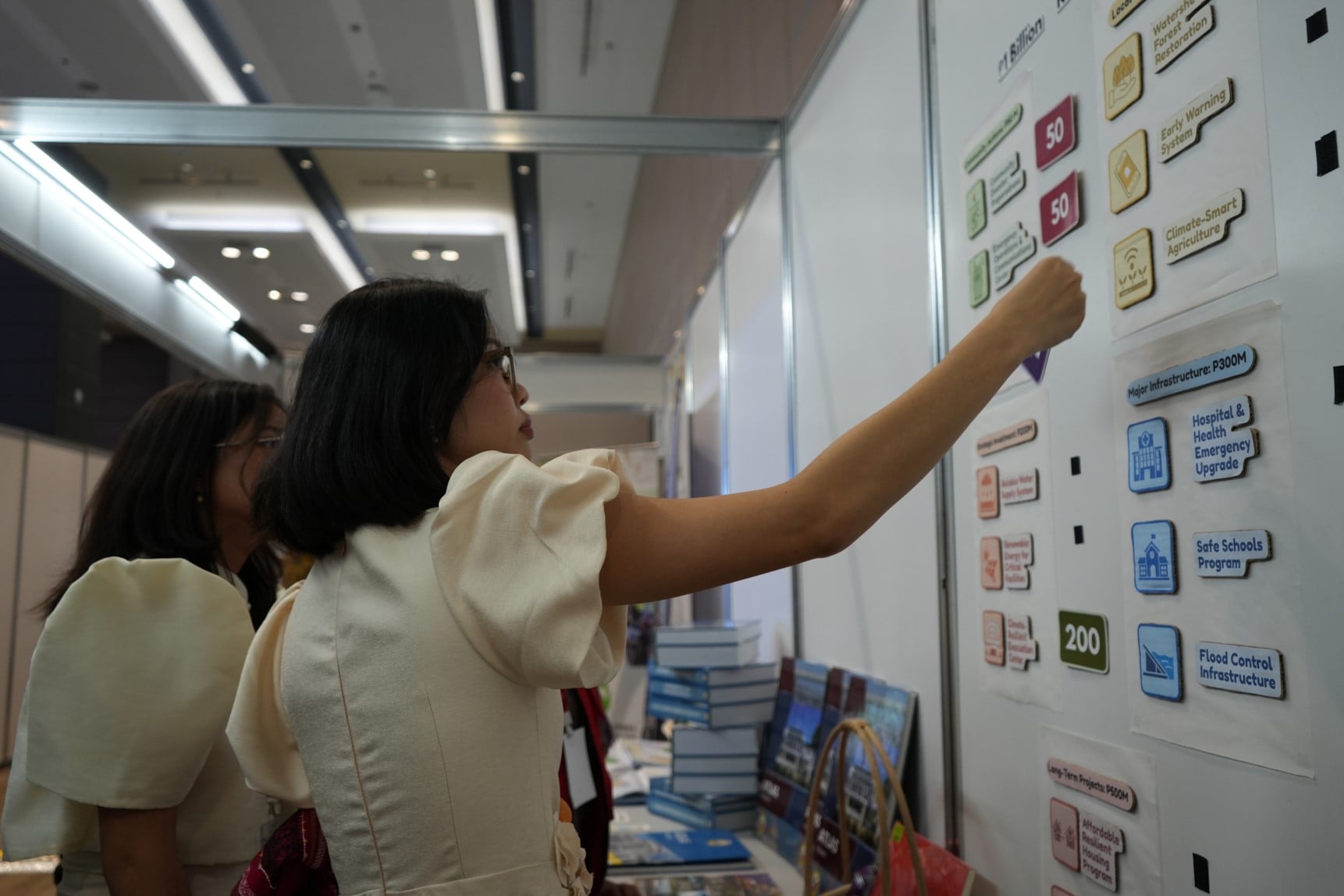
Participants were likewise introduced to the ₱1 Billion Resilience Challenge, an interactive game that challenges players to allocate a hypothetical ₱1 billion budget across resilience-building projects while balancing competing priorities and limited resources. The booth also featured UP RI’s digital platforms, including the UP NOAH website, which provides accessible hazard and risk information to support planning and emergency preparedness, and Resilience Live, the institute’s webinar series that promotes knowledge exchange on disaster resilience, climate adaptation, and related fields. Together with the Virtual Reality Sandbox and local development plans, these exhibits demonstrated how UP RI translates scientific research, geospatial technologies, and innovative learning tools into practical resources that support evidence-informed decision-making and resilience building.
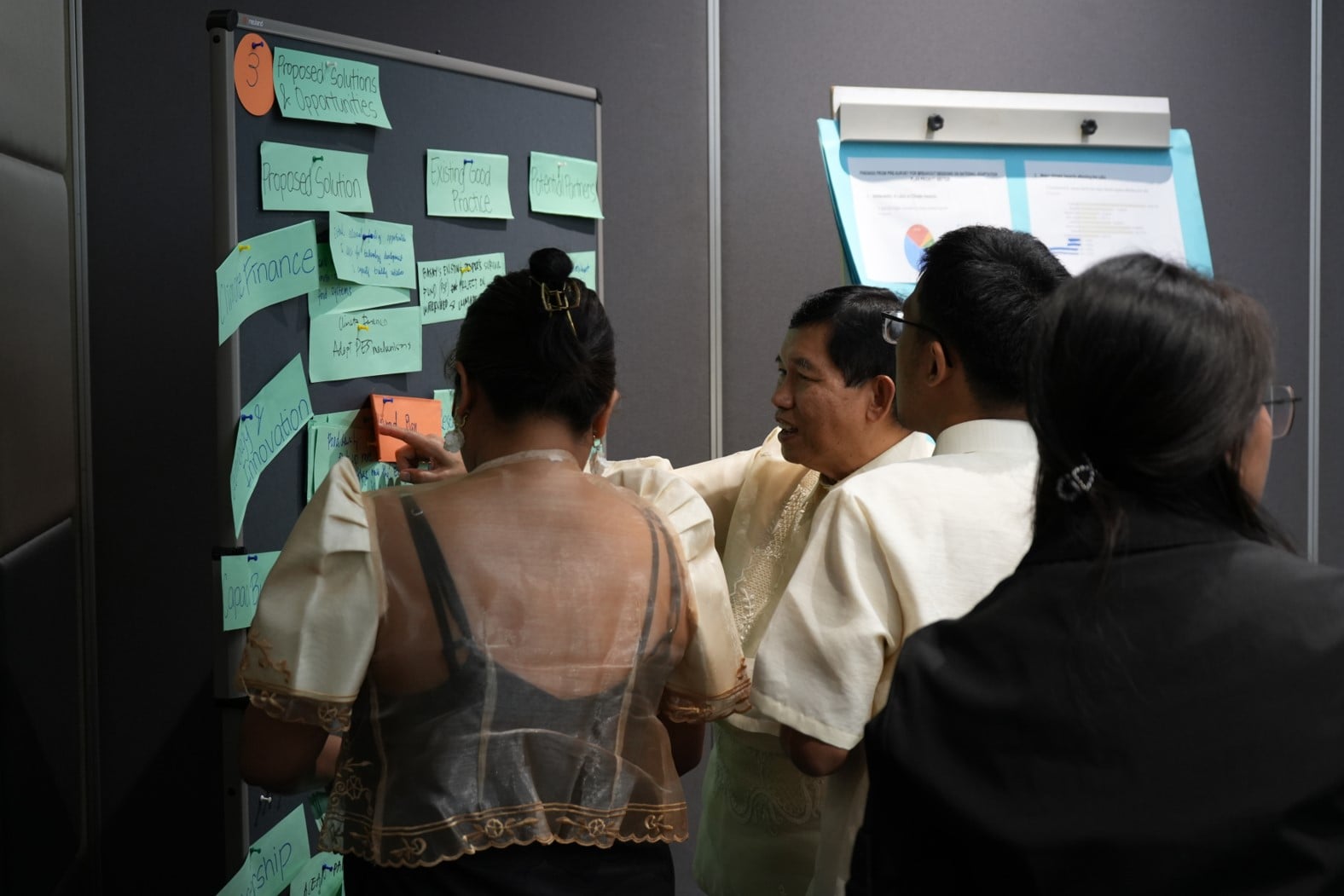
Beyond the plenary sessions and exhibition, UP RI researchers contributed to the forum’s breakout discussions on the NAP priority sectors. EnP. Arge Louise Joy Esquivel served as rapporteur for the cluster on Cultural Heritage, Displacement and Migration; Land Use and Human Settlements, while For. Janiella Sandoval and For. Rysch Nae Subijano served as rapporteurs for the Health and Livelihoods and Industries and Energy, Transport, and Communications clusters, respectively. Their role involved documenting key discussions and synthesizing recommendations to support the implementation of the NAP across sectors.
The forum concluded with a collective pledge from participating institutions to strengthen climate adaptation through sustained collaboration and shared responsibility. Throughout the discussions, a common message emerged: building resilience requires strong partnerships, accessible science, and coordinated action across all sectors of society.
UP RI’s participation in NCRF 2026 reflected the institute’s continuing commitment to bridging science, policy, and practice. Through expert engagement in national dialogues, technical contributions to sectoral discussions, and the demonstration of innovative tools and knowledge products, the institute continues to support evidence-informed planning and empower communities and decision-makers to build a more resilient Philippines.