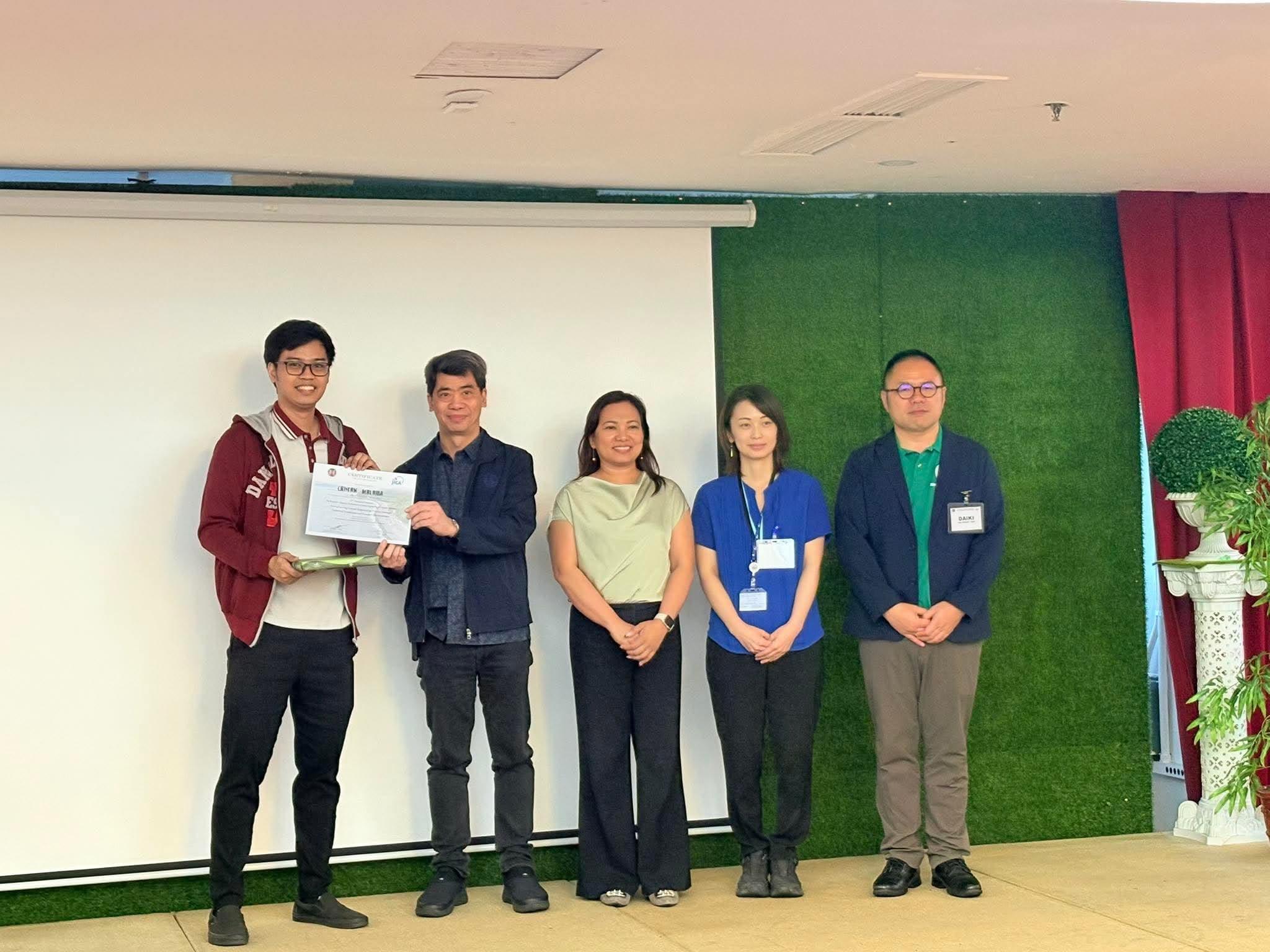
Written by NOAH Hazard Assessment Team
UPRI-NOAH, represented by Cristan M. Malaiba, participated as a guest speaker at the 8th Technical Seminar jointly organized by the Department of Public Works and Highways (DPWH) and the Japan International Cooperation Agency (JICA) on May 28, 2026, at the Bayview Park Hotel in Manila. The seminar, titled “Strengthening Coastal Engineering Practice through Technical Guidelines and Research Development,” brought together experts and practitioners to discuss coastal engineering practices and strategies for strengthening coastal resilience in the Philippines.
The seminar focused on coastal engineering mitigation measures and the analysis of Philippine coastlines, with discussions highlighting the application of Japan’s coastal protection structures and practices. These exchanges provided opportunities to explore how technical knowledge and research can contribute to addressing the country’s coastal risks.
During the event, Mr. Malaiba delivered a presentation on coastal hazards, focusing on storm-surge hazards in Tacloban City, Leyte. The presentation discussed the underlying causes and contributing factors of storm surges, as well as the approaches used to assess and map areas that may be affected by coastal inundation. The study highlighted the vulnerability of low-lying coastal areas of Tacloban City to storm-surge impacts and emphasized the importance of understanding the geological and physical processes that influence coastal environments when assessing potential hazards and their impacts. The presentation also demonstrated how hazard assessment and mapping can be used to identify areas at risk and support disaster risk reduction and preparedness efforts in coastal communities.
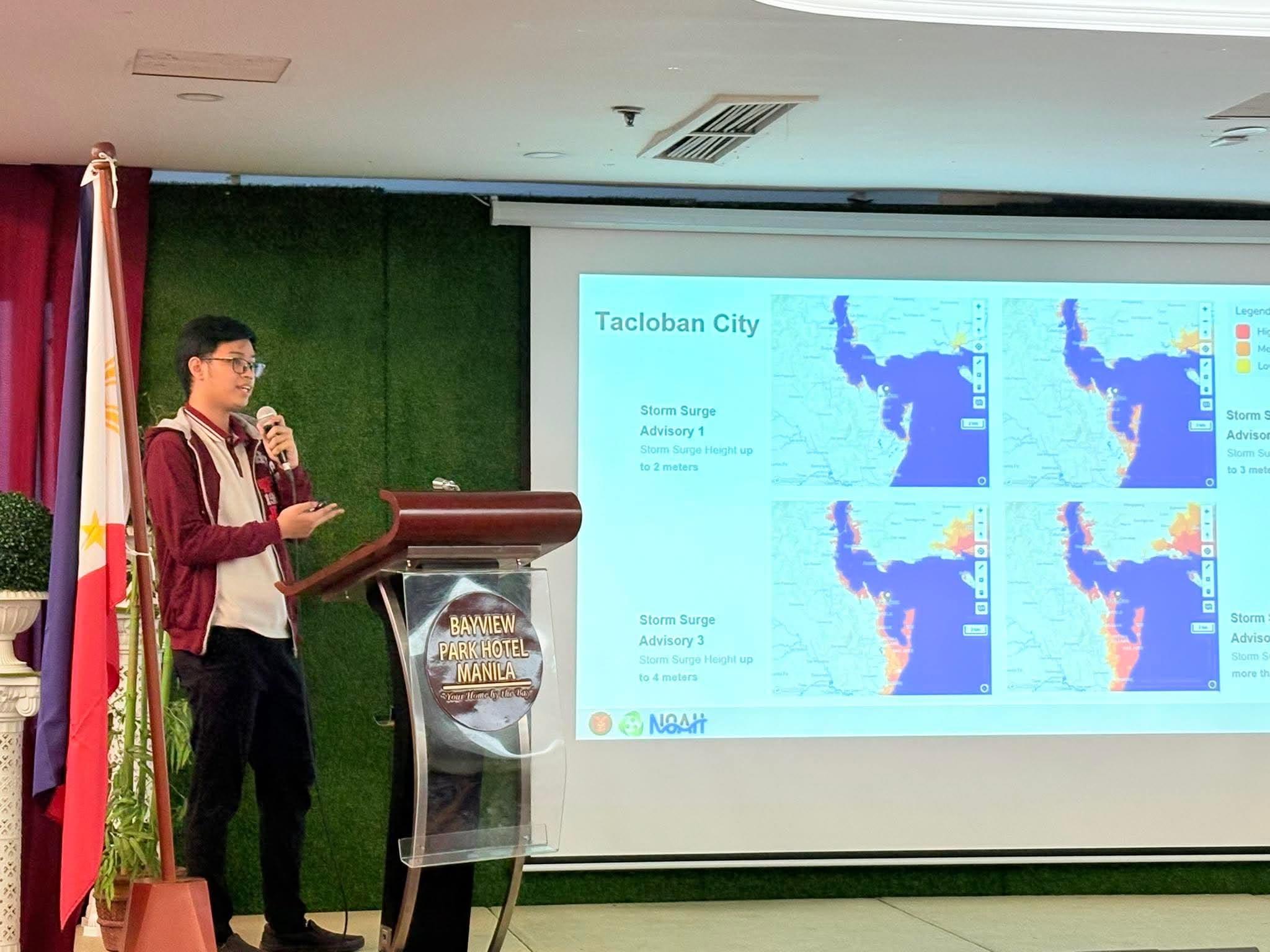
The presentation also featured UPRI-NOAH’s coastal hazard maps, showcasing the Center’s efforts to assess and map coastal hazards across the Philippines. These science-based hazard assessments provide valuable information for supporting evidence-based coastal planning, disaster risk reduction, and informed decision-making. The UPRI-NOAH was recognized as a guest speaker during the seminar for its contribution to advancing coastal hazard assessment and research. Its participation underscored the importance of integrating geological knowledge, hazard mapping, and engineering approaches in developing more informed and effective strategies for managing coastal risks in the Philippines.