
Written by Floredeliz Agra, UPRI Education Division
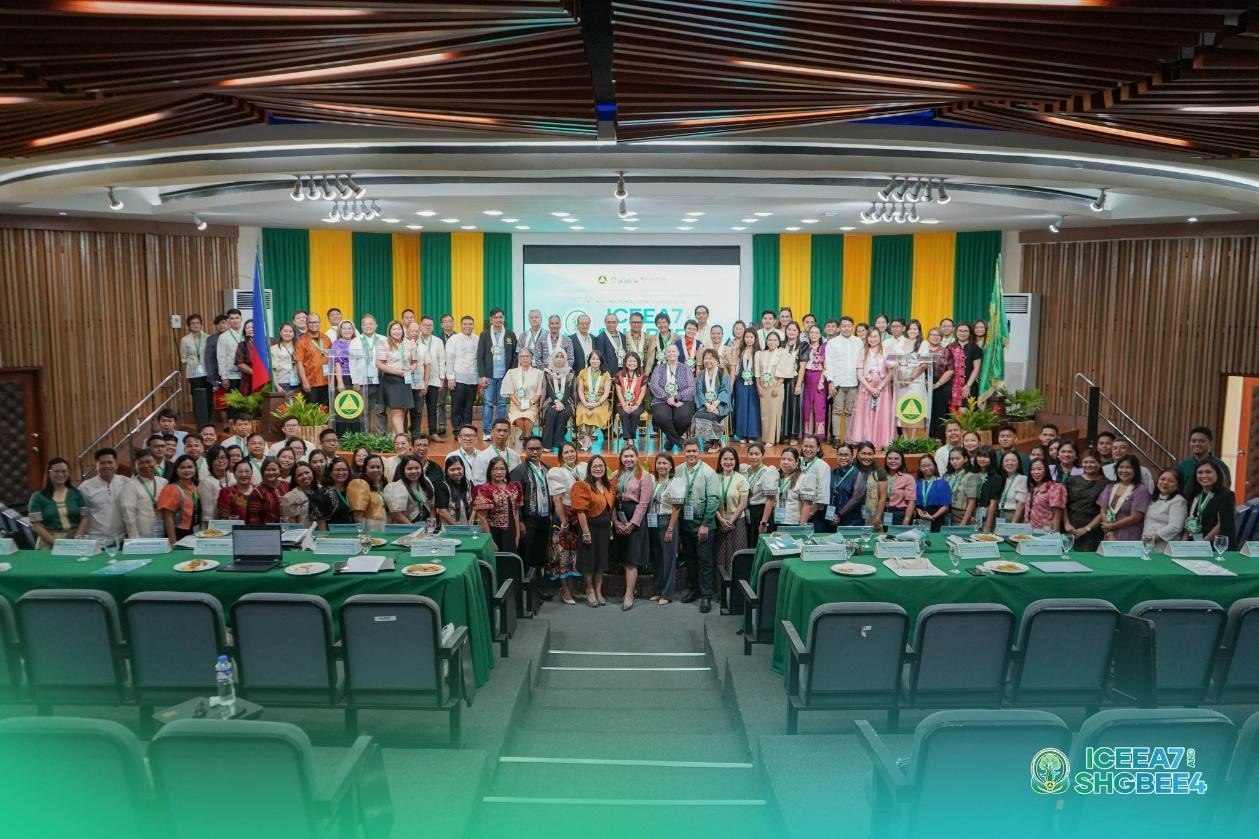
PILI, CAMARINES SUR — Ms. Flordeliz Agra of the University of the Philippines Resilience Institute (UPRI) Education Division represented the Institute at the twin international conferences: the 7th International Conference on Education, Environment, and Agriculture (ICEEA7) and the 4th International Conference on School-plus-Home Gardens cum Biodiversity Enhancement and Enterprise (SHGBEE4). The events were held from March 18 to 21, 2026, and hosted by the Central Bicol State Agricultural University in partnership with the Southeast Asian Regional Center for Graduate Study and Research in Agriculture (SEARCA) and Kansas State University.
The conferences gathered experts, academicians, researchers, and stakeholders from around the world. Activities included plenary sessions, research presentations, and collaborative discussions centered on the theme: “Policy Pathways to a Sustainable Future: Mainstreaming Biodiversity, Agri-Ecotourism, and Disaster Resilience.” The event highlighted the integration of biodiversity conservation, sustainable agriculture, tourism development, and disaster resilience into actionable policies and programs.
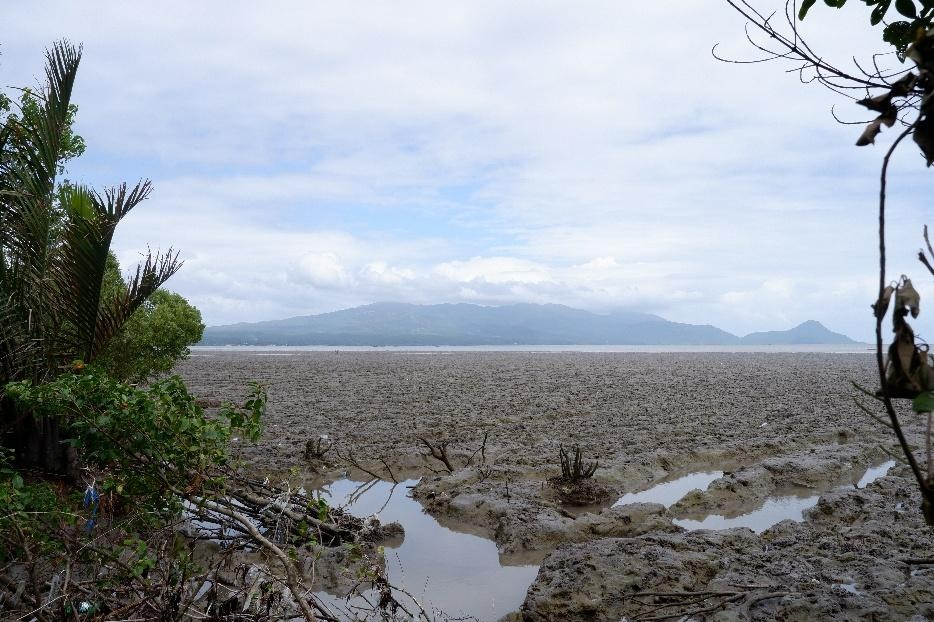
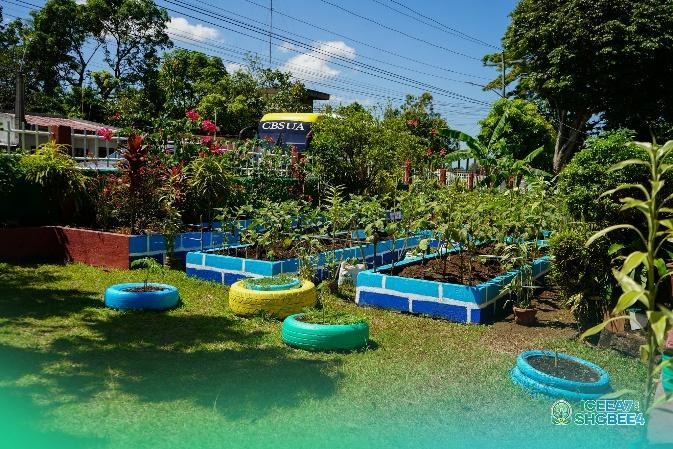
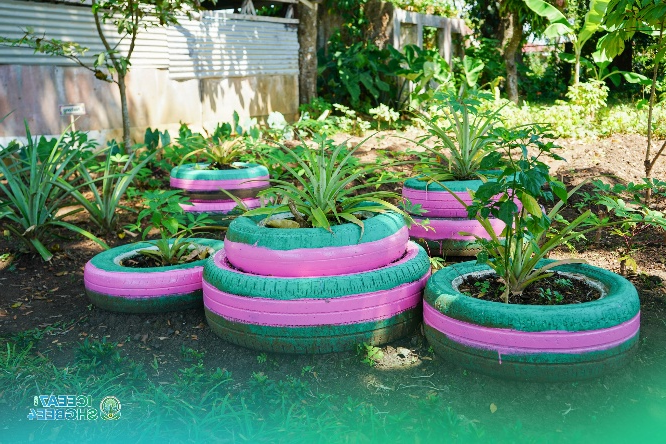
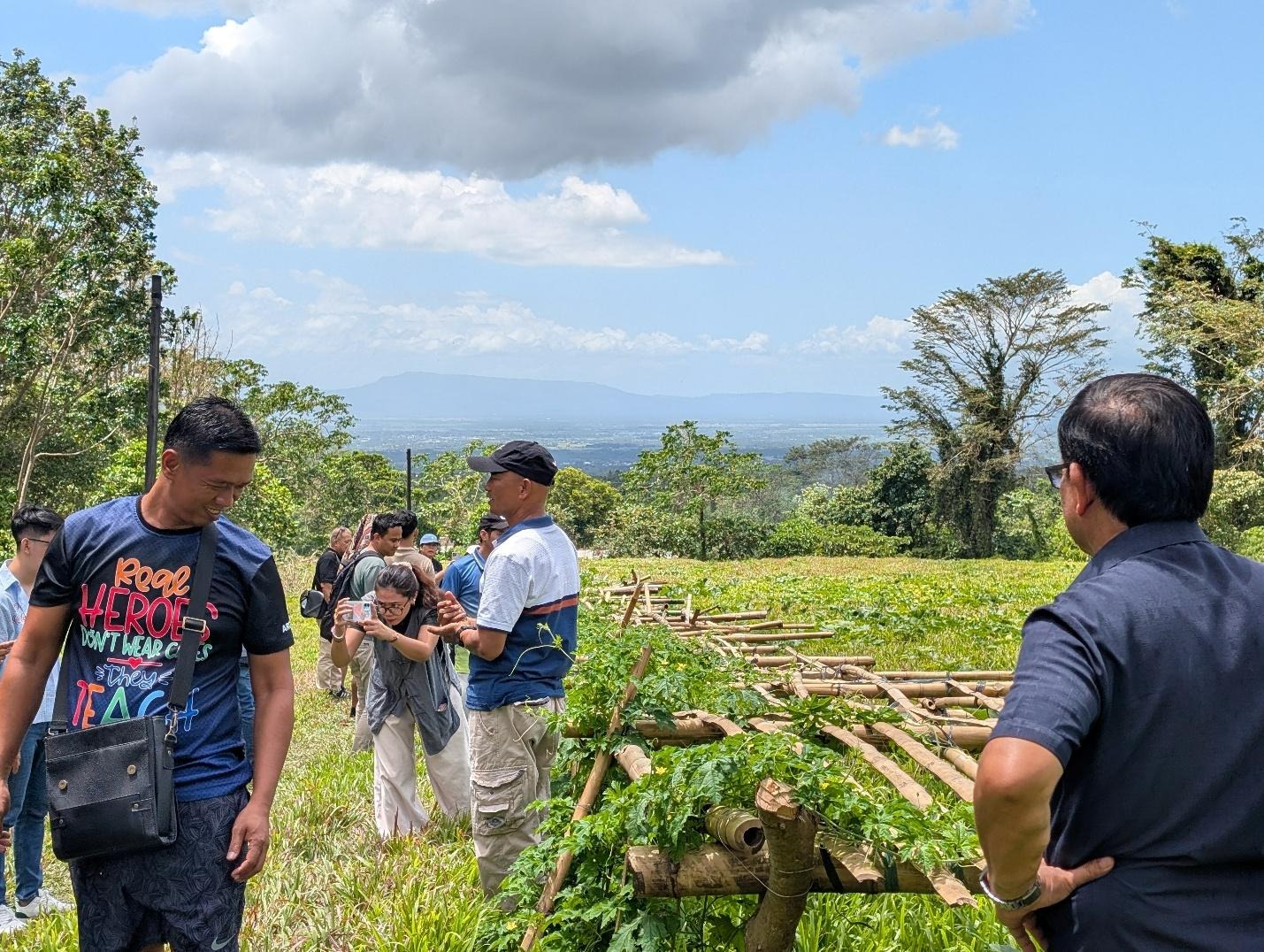
A key feature of the conference was a two-day mobile workshop, offering participants an immersive learning experience across significant environmental and community sites in Camarines Sur. On the first day, delegates visited the Cabusao Wetlands Critical Habitat, Mt. Isarog National Park, Daruanak Island, and the Pawikan Nest and Fish Sanctuary. These locations showcased ongoing conservation efforts and the protection of vital ecosystems, including migratory bird habitats. The second day brought participants to local educational institutions and eco-tourism sites such as San Isidro Elementary School, Naga View Adventist College, and Panicuason Hot Spring Resort and Adventure Park. These visits demonstrated how schools and communities collaborate to promote environmental sustainability, food security, and resilience, particularly during times of disaster.
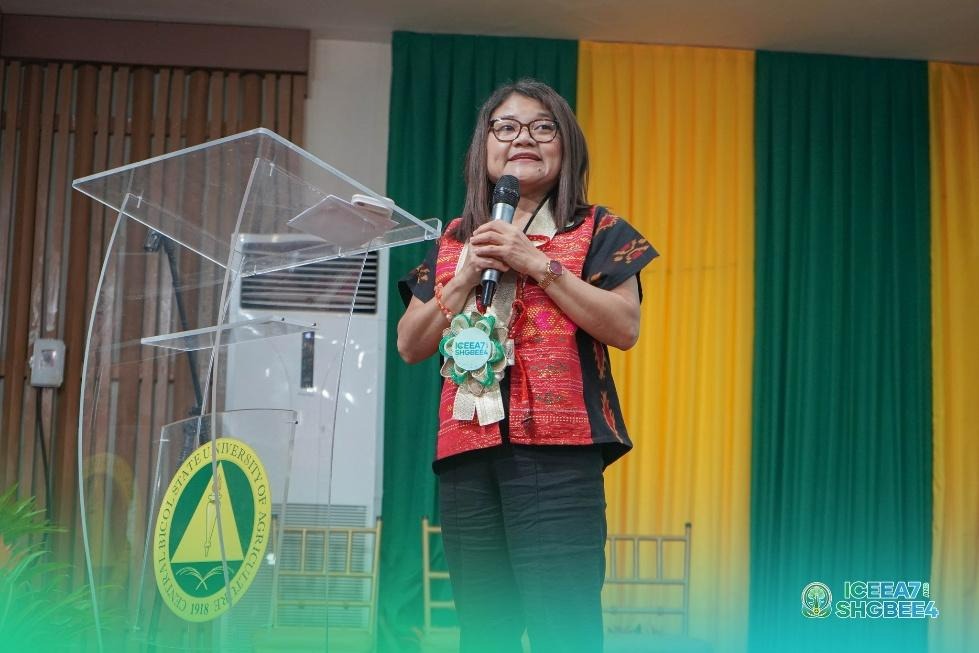
During the conference, Assistant Secretary Dr. Noralene Uy of the Department of Environment and Natural Resources (DENR) delivered a keynote address highlighting national programs such as the Enhanced National Greening Program, Nature-Based Solutions initiatives, and Project TRANSFORM (Transdisciplinary Approach for Resilience and Environmental Sustainability through Multi-Stakeholder Engagement). These initiatives aim to strengthen environmental sustainability through multi-stakeholder engagement.
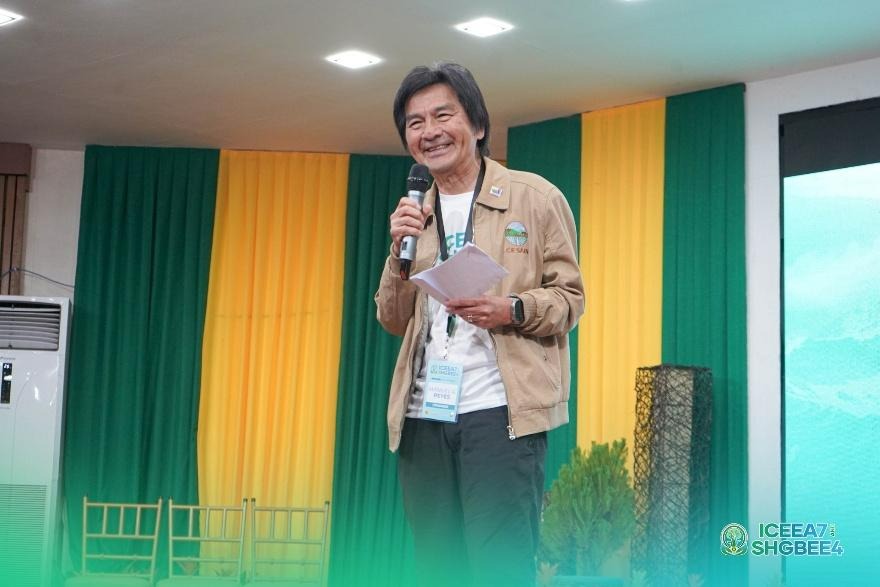
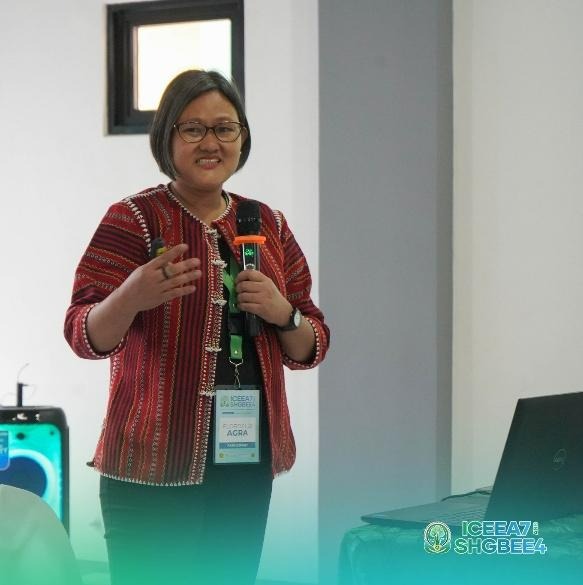
Ms. Agra presented her research titled “Whole-of-Society Stakeholder Participation in Disaster Response and Early Recovery: The 2020 Taal Volcano Eruption.” Her study examined how government agencies, non-government organizations, civil society groups, and local communities collaborated in relief distribution, debris clearing, and the delivery of medical and psychosocial services across 15 municipalities in Batangas affected by the eruption. The research emphasized the importance of collective action in addressing immediate needs and supporting early recovery efforts.
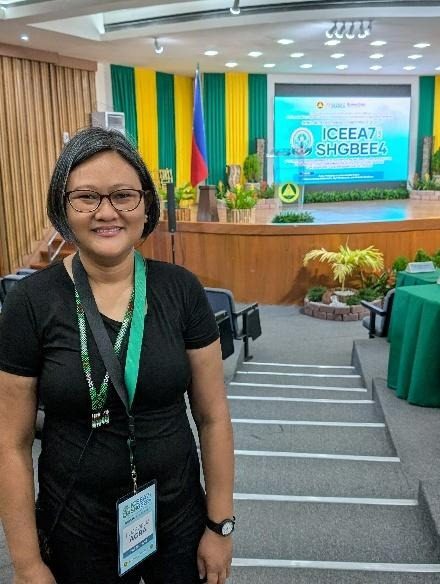
The event not only fostered knowledge exchange among global participants but also provided a firsthand look at how local communities in Camarines Sur are advancing sustainability and resilience through collaborative initiatives.